Past Newsletters - Feb 2009

Premier Series
Featured Wineries & Wines
Membership Type
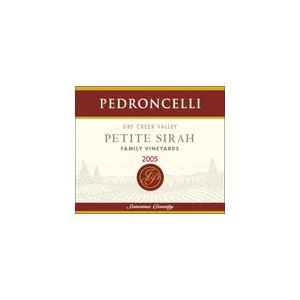
Pedroncelli Dry Creek Valley Family Vineyards Petite Sirah 1 Red 1 White; 2 Reds
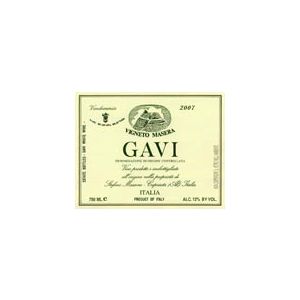
Stefano Massone Vignetto Masera Gavi 1 Red 1 White; 2 Whites
Root: 1 Colchagua Valley Cabernet Sauvignon 2 Reds
Root: 1 Casablanca Valley Sauvignon Blanc 2 Whites


Master Series
Featured Wineries & Wines
Membership Type
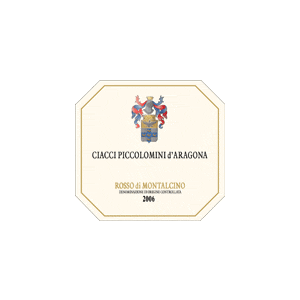
Ciacci Piccolomini d'Aragona Rosso di Montalcino 1 Red 1 White; 2 Reds
Stefano Massone Vignetto Masera Gavi 1 Red 1 White
Pedroncelli Dry Creek Valley Family Vineyards Petite Sirah 2 Reds


Collector Series
Featured Wineries & Wines
Membership Type
Ciacci Piccolomini d'Aragona Rosso di Montalcino 1 Red 1 White; 2 Reds
Dog Point Marlborough Chardonnay 1 Red 1 White
Château Haut-Corbin Saint-Emilion Grand Cru 2 Reds


Pedroncelli Dry Creek Valley Family Vineyards Petite Sirah 2005 – USA

Pedroncelli Dry Creek Valley Family Vineyards Petite Sirah 2005Since 1927, two constants at the Pedroncelli estate in Sonoma County's Dry Creek Valley have been family and wine. Started by Italian immigrant John Pedroncelli, Sr., the Pedroncelli estate vineyards are located 25 miles from the Pacific, where the grapes from this pre-Prohibition property ripen fully and produce full fruit flavors in Dry Creek Valley's ideal climate of warm days and cool nights.

John, Sr.'s namesake, son John, grew up on the family property and has been principal winemaker at Pedroncelli since 1948. John's brother Jim was actually born in the winery's offices, which were formerly the family's home. Jim has overseen marketing and sales at the winery since 1955. Jim only half jokingly tells visitors, "I was born in this office and I will probably die here as well." In addition to Jim and John, their children and children-in-law all work in various capacities at the winery, as the family happily watches a fourth generation buzz about the property. In short, Pedroncelli remains an authentic family-owned and -run winery. Rare as it may now be, the Pedroncelli family is one California family that has not yet traded in its name or sold its soul to a corporate conglomerate.

Obviously, stability and tradition play important roles for the Pedroncelli family as it collectively pursues its shared passion for producing quality wines. Yet, Pedroncelli's vineyards have only gently expanded to 105 acres from the property's original 90 acres, and the brothers continue to seek innovative means of improving production and quality without compromising the family tradition or expanding rapidly beyond their control. Instead, the family highlights specific vineyards in the winery's Vineyard Selection Series (i.e., Dry Creek Valley's Bench and Family Vineyards), a decision that allows the brothers to pursue their family's commitment to quality. This practice also provides a glimpse of the guided, practical approach that this family has to marketing.

Lovingly made, Pedroncelli wines are known for their consistent quality from vintage to vintage: they always exhibit rich fruit flavors, layered balance, and a readiness to drink upon release. Above enjoying the quality of their wines, however, partaking in a glass of Pedroncelli wine is like becoming a member of the family and sharing in their love of wine.

Red grape varietals predominate at Pedroncelli. Merlot, Petite Sirah, Pinot Noir, Sangiovese, and Zinfandel are just a few of Pedroncelli's finest Sonoma County offerings. Sauvignon Blanc is a real success at Pedroncelli, too, and it remains one of the winery's fairer claims to fame.

Tasting Notes: Petite Sirah has been a staple in Pedroncelli's vineyards since the early 1900's. Sourced from one of the family's vineyards, whose vines average more than 60 years of age, the 2005 Pedroncelli Dry Creek Valley Family Vineyards Petite Sirah is inky purple, deep, and aromatic. It possesses all the power and robust flavor inherent in the finest Petite Sirah, without searing tannins or a rustic edge. Juicy, smooth, and loaded with fruit, it is pure pleasure in a glass. In this Family Vineyards' Petite Sirah, black cherry, chocolate, mulberry, pepper, and oriental spice all fold into one seamless statement. Backed by 23 months in small American oak barrels, the 2005 Pedroncelli Family Vineyards Petite Sirah offers sensual pleasure of every sort, including great tactile feel in the mouth. We suggest serving this exemplary Petite Sirah at cool room temperature (but no more than 66ºF), after at least thirty minutes of aeration. Although beautiful from the start, this impeccably balanced Petite Sirah only improves with time. Furthermore, it has years of life ahead of it. Enjoy it now, and often. The question is this: Can you stash a few bottles away and not touch them until a rainy day?

Accompaniments: Petite Sirah is the perfect potion with all kinds of flavorful foods. Grilled rib eye steaks served with garlic mashed potatoes; wood grilled double cut lamb chops brushed with extra virgin olive oil and seasoned with fresh mint and rosemary; grilled spicy Italian sausages, peppers, and onions; and just about any other meat or vegetable suitable for the grill will match up nicely with Pedroncelli's Petite Sirah. Spicy rubs and barbecue sauces won't phase this charming, hedonistic wine, either. Classic Italian favorites pair nicely with this Petite Sirah, too. Brick-oven-cooked pizzas and calzones; Pasta Fresca with fresh buffalo mozzarella, basil, vine ripe tomatoes, olive oil, and herbs; and Chicken Marsala constitute some of our favorite offerings with this wine. Moreover, complex Northern Italian specialties that rely more on rice, mushrooms, truffles, and complex sauces provide other excellent complements to Pedroncelli's masterful Petite Sirah. Enjoy!

For the Love of Cheese: Petite Sirah is a cheese lover's dream. It offers the ideal accompaniment to most cow, goat, and sheep's milk cheeses. Consequently, the 2005 Pedroncelli Family Vineyards Petite Sirah pairs equally well with Cheddar and Edam as it does with Chèvre and Pecorino Ardent cheese aficionados may even want to match this delicious Petite Sirah with traditional crusted French cheeses such as Brie and Camembert. For more information about gourmet cheeses and cheese pairings, we invite you to consult our In Pursuit of Cheese website at www.cheesemonthclub.com.

Stefano Massone Vignetto Masera Gavi 2007 – Italy

Stefano Massone Vignetto Masera Gavi 2007Stefano Massone has crafted a model estate in Gavi, which is unequivocally the finest white wine zone in Italy's Piedmont. Massone works a mere 8 hectares (or just a little less than 18 acres) from which he fashions two exceptional Gavis from two special vineyards: Vignetti Masera and San Cristoforo. Located in Capriata d'Orba in the southeastern section of the Gavi DOC, Massone's vineyards enjoy prime southern exposures.

Stefano Massone is a rarity in Piedmont: he produces only white wine and from a single grape varietal. At his estate, the blithe Cortese varietal rules, and there are no compromises or cutting corners. Quality is paramount. Consequently, the estate's Masera and Cristoforo vineyards are farmed organically. There are no herbicides, pesticides, fertilizers, or systemic chemicals used in the vineyards. The rows of vines are sown with ground cover, which is either tilled or mown to turn to humus in alternating fashion. Furthermore, yields are kept very low to ensure ripeness and sulfite usage is at a minimum. All of this care allows Massone himself to ferment the delicate golden clusters of Cortese di Gavi to perfection in his modern winery.

Tasting Notes: The six-hectare Vignetto Masera provides nearly all of the grapes for Stefano Massone's hauntingly beautiful 2007 Masera Gavi. Wrapped in a pale, straw-colored robe, Massone's Gavi invites the eye as well as the palate. It offers the usual clean, refreshing flavors and overt charm for which Gavi is renowned, to which delicate aromas of peach, pineapple, and fresh-squeezed lime are added. Made from 100% Cortese grapes, this delicious Piedmontese specialty manages to be both soft and crisp. And as this estate eschews the use of oak barrel aging, and 100% of the vinification is done in stainless steel tanks with the most up-to-date equipment, Massone's Masera Gavi retains delicacy of perfume, subtlety of flavor, and a refreshing zip. In the mouth, the savor of soft fruit, crushed flowers, minerals, and lemon oil meld with bright acidity that carries through to the wine's intense, pleasingly dry finish. We suggest you serve this charming Gavi well chilled (about 40º F) and then allow it to slowly reach ambient temperature in the glass. This will allow the Vignetto Masera time to unfold in the glass and reveal its ultimate charms and subtle nuanced flavors. Salute!

Accompaniments: Considering the supreme elegance and purity of the 2007 Stefano Massone Masera Gavi, the possibility of a second or third glass may be all that is needed for the ultimate enjoyment of this wine. True to form, Massone's Gavi drinks beautifully all by itself. Although often served in the Piedmont as the prelude to a sumptuous meal, it would be a shame to relegate this artfully made Gavi to the sole role of aperitif extraordinaire . . . but we could think of a lot worse things. However, if you add the company of a special someone and some well-prepared seafood to the mix, you have a recipe for a sublime dining experience. Sautéed Bay Scallops prepared in a cream sauce with unsalted pistachio nuts and Mediterranean herbs is one of our favorite dishes with this Gavi. Pan Seared Red Snapper, Stuffed Flounder, and Sautéed Alaskan Halibut all provide delicious accompaniments to Stefano Massone's delicious Vignetto Masera, as well. A simple but carefully prepared Chicken Francese offers another outstanding choice of accompaniment. In addition, most cream-based sauces and soft cow's milk cheeses pair nicely with Gavi; the Cortese grape seems to have natural proclivity for accompanying dairy as well as seafood. Enjoy!

Root: 1 Colchagua Valley Cabernet Sauvignon 2006 – Chile

Root: 1 is a special line of wines from one of Chile's foremost wineries, Viña Ventisquero. Viña Ventisquero is an environmentally friendly winery that practices only sustainable methods of agriculture. It is also the first Chilean winery with a certification to offset carbon dioxide emissions. And of paramount importance, Viña Ventisquero's wines are all first rate. Root: 1 is purveyed by Click Imports, which has built an enviable portfolio of premium wines from world-class terroirs from the finest wine regions throughout the world. Click's original collection of wines included many of Australia's best estates; but in recent years this dynamic group has ventured into Chile, Washington State, and elsewhere to bring the beauty and glory of exceptional wines to our tables from other noteworthy estates and locales.

All Root: 1 wines bear a unique distinction. Yet, each shares a common characteristic: they are crafted entirely from grapes grown on their own root stocks – a rarity since Phylloxera nearly destroyed all European grape varieties known as vitis vinifera in the late 19th century (including Cabernet Sauvignon and Sauvignon Blanc) and forced most grape growers worldwide to graft their vinifera vines onto American root systems. Only Chile with its unique geographic location and terroir has managed to escape the wholesale devastation of Phylloxera. Consequently, Root: 1 wines are some of the most authentic varietal wines made in the world today and "living proof that character comes from the roots."

Root: 1 specializes in two of Chile's most important grape varieties, Cabernet Sauvignon and Sauvignon Blanc. Each is grown in the region of Chile for which it is best suited. Root: 1 Cabernet Sauvignon hails from the Colchagua Valley, Chile's equivalent of Napa Valley. Long renowned for its excellent Cabernet Sauvignon and Carmenère, Colchagua Valley is now the source of most of the greatest red wines of Chile. Similarly, Viña Ventisquero has rightly chosen the cooler Casablanca Valley close to the nation's capital for growing Sauvignon Blanc. The warm days and cool breezes from the nearby Pacific Ocean that pervade Casablanca provide Sauvignon Blanc with a long slow maturation, which brings out the heady aroma and intense flavors of the varietal.

Tasting Notes: Root: 1 Cabernet Sauvignon remained one of Chile's best-kept secrets, until recently. Deemed by critics and consumers to be one of the best South American wineries, Viña Ventisquero has further solidified its position in the top echelon of Chilean wine producers with the release of the 2006 Root: 1 Cabernet Sauvignon. Unlike some South American Cabernets that provide plenty of flavor but not much charm and texture, the 2006 Root: 1 dazzles with its entrancing aromatic profile, ripe round fruit, and silky smooth texture. A bouquet resplendent with the scents of bay leaf, blackberry, boysenberry, and cocoa caresses the nose and sets the stage for the same smooth caressing flavors to beguile the palate. Ripe, round, and utterly delicious from start to finish, the perfectly balanced 2006 Root: 1 Cabernet is ohhh so easy to drink. It offers all a Cabernet drinker can ask for: great flavor in a round, velvety body. Give this wonderful Cabernet a few minutes to breathe and drink it as often as you can over the next five years. We suggest serving it at no more than 66° F.

Accompaniments: Young Cabernet Sauvignon is not always our first choice as a "sit around and sip" kind of wine, without at least a hunk of good cheese or some other hearty fare to tame the youthful fire. However, in the case of the 2006 Root: 1 Cabernet Sauvignon, we are willing to make an exception. This wine needs very little to shine, except a clean glass. Nevertheless, if you are like most members of our tasting panels, you will want to double the pleasure by adding some tasty morsels. Consequently, we suggest you consider serving this Cabernet with what constitutes the Chilean national food – beef. Steaks, burgers, and marinated veal chops all get our nod. Grilled lamb, pork, and barbecued ribs make fine accompaniments, too. And don't worry about a little marinade or spicy condiment doing damage to this flavorful Cabernet. A traditional Chilean dish, Pastel de Choclo, a corn and meat pie, offers yet another interesting pairing with the 226 Root: 1 Cabernet. For the vegetarian set, a Three Mushroom Pizza, with Cremini, Portabella, and Shiitake mushrooms provides a crowd-pleasing experience, too. Salud!

Root: 1 Casablanca Valley Sauvignon Blanc 2008 – Chile

Root: 1 is a special line of wines from one of Chile's foremost wineries, Viña Ventisquero. Viña Ventisquero is an environmentally friendly winery that practices only sustainable methods of agriculture. It is also the first Chilean winery with a certification to offset carbon dioxide emissions. And of paramount importance, Viña Ventisquero's wines are all first rate. Root: 1 is purveyed by Click Imports, which has built an enviable portfolio of premium wines from world-class terroirs from the finest wine regions throughout the world. Click's original collection of wines included many of Australia's best estates; but in recent years this dynamic group has ventured into Chile, Washington State, and elsewhere to bring the beauty and glory of exceptional wines to our tables from other noteworthy estates and locales.

All Root: 1 wines bear a unique distinction. Yet, each shares a common characteristic: they are crafted entirely from grapes grown on their own root stocks – a rarity since Phylloxera nearly destroyed all European grape varieties known as vitis vinifera in the late 19th century (including Cabernet Sauvignon and Sauvignon Blanc) and forced most grape growers worldwide to graft their vinifera vines onto American root systems. Only Chile with its unique geographic location and terroir has managed to escape the wholesale devastation of Phylloxera. Consequently, Root: 1 wines are some of the most authentic varietal wines made in the world today and "living proof that character comes from the roots."

Root: 1 specializes in two of Chile's most important grape varieties, Cabernet Sauvignon and Sauvignon Blanc. Each is grown in the region of Chile for which it is best suited. Root: 1 Cabernet Sauvignon hails from the Colchagua Valley, Chile's equivalent of Napa Valley. Long renowned for its excellent Cabernet Sauvignon and Carmenère, Colchagua Valley is now the source of most of the greatest red wines of Chile. Similarly, Viña Ventisquero has rightly chosen the cooler Casablanca Valley close to the nation's capital for growing Sauvignon Blanc. The warm days and cool breezes from the nearby Pacific Ocean that pervade Casablanca provide Sauvignon Blanc with a long slow maturation, which brings out the heady aroma and intense flavors of the varietal.

Tasting Notes: Root: 1 Sauvignon Blanc is a very fine Sauvignon Blanc, indeed. From its elegant bottle to its long smooth finish, the 2008 Root: 1 Sauvignon Blanc exudes both class and style. However, what lies within is the finest treat of all. Pale straw in color with a glint of green that recalls the first breath of spring, this fresh, lively herb-tinged Sauvignon Blanc reminds us of a hypothetical blend of the finest French Sancerre and a noble New Zealand Sauvignon Blanc. A comely bouquet resplendent with the scents of grapefruit, herb, melon, and fig caresses the nose. And, unlike weaker renditions of Chilean Sauvignon Blanc, Root: 1 follows through on the palate with all that it delivers to the nose. A full-throttle Sauvignon Blanc, replete with just the right balance of fruit and herb, the 2008 Root: 1 fills the mouth and exits with a long vibrant mineral-laden finish – a true Sauvignon Blanc drinker's dream come true. For optimum enjoyment, we suggest chilling this wine to 38º-40º F and then allowing it to breathe a few minutes in the glass prior to serving. As it reaches for ambient temperature, it puts on a display that is worth the wait. Enjoy!

Accompaniments: For many wine drinkers, Sauvignon Blanc and seafood, at least the very finest fish and fruits of the sea, are synonymous. And for most Sauvignon Blanc aficionados there would be no better choice with the 2008 Root: 1 Sauvignon Blanc than a plate of raw or sautéed oysters, steamed New Zealand mussels in a heady broth, or grilled grouper topped with a persimmon glaze. However, neither blind parochialism nor simple tradition ought to deny the glory of Sauvignon Blanc with cheese, poultry, smoked meats, and a wide array of Asian dishes, many of which were once deemed too spicy for the wimpy white wines of yesteryear. From Chinese Chicken and Broccoli to Thai Grao Prao or even a light Indian Curry, the 2008 Root: 1 shines like the sun. Yet, no one would look askance if you decided to take the Root: 1 Sauvignon Blanc to task and serve it neat as an aperitif. And what a splendid aperitif it will be! Salud!

Ciacci Piccolomini d'Aragona Rosso di Montalcino 2006 – Italy

Ciacci Piccolomini d'Aragona Rosso di Montalcino 2006The Ciacci Piccolomini d'Aragona name is one of the grandest and most revered names in Tuscany. The importance and stature of the Ciacci Piccolomini d'Aragona family dates back to the Middle Ages, and this name remains one of the most prominent among Sienese nobility. One can even find perched on the ancient family tree a pope's tiara. Enea Silvio Piccolomini, a 15th century scion of this noble family, was crowned pope in 1458 and reigned as Pope Pius II until 1464. He was renowned for his diplomacy, frank open spirit, merciful nature, and enthusiastic patronage of the arts. He was also a poet and writer. His most famous work, Commentaries, remains the only autobiography ever written by a reigning pope, and it is still widely read today. Moreover, he and his family are responsible for revitalizing and transforming his home town of Pienza into one of the finest Renaissance jewels in all of Italy. The Ciacci Piccolomini d'Aragona estate in Brunello di Montalcino is another gem and a family legacy that dates back to the 16th century.

The most recent member of this renowned family, Contessa Elda Ciacci Piccolomini d'Aragona, died without a direct heir in 1976. In the magnanimous spirit of her ancestor Pius II, the Contessa Elda Ciacci Piccolomini d'Aragona willed the entire estate, vineyards, olive groves, and 1250 acres to Giuseppe Bianchini, the estate's long time administrator, whom she considered a member of the family.

The erudite Giuseppe Bianchini quickly began transforming his newly acquired domain, a huge estate by Montalcino standards, into one of Montalcino's agrarian masterpieces. When he acquired the property, only a tiny fraction of it was planted in vines – 12 acres to be exact. So Giuseppe began his renovation by planting additional vines in the choicest areas of the estate, most especially in the spectacular tract of land known as Pianrosso that faces south from the winery and slopes down from the palazzo and the commanding hill town of Montalcino to the shimmering Orcia River below. Here, in this southeastern corner of Montalcino, the famous galestro soil of Tuscany works its charm and imbues both polish and power to Ciacci's wines.

Since Giuseppe's passing in 2004, his son Paolo Bianchini has been the guiding force behind Ciacci Piccolomini d'Aragona's success. The Italian National Amateur Cycling Champion and an expert winemaker, Paolo has with the help of his sister Lucia redoubled the family's effort to renovate this historic property. Moreover, Paolo has succeeded in moving Ciacci Piccolomini d'Aragona to the top echelon of producers in Montalcino.

Today, the Ciacci Piccolomini d'Aragona estate counts at least 100 acres under vine. Most of the estate's production is devoted to Rosso di Montalcino and Brunello di Montalcino, but Ciacci also maintains a significant holding in nearby Montecucco, from which the Bianchinis fashion one of the finest wines of this relatively new and up-and-coming appellation. Yields are kept very low at this estate, at least 25% below legal limits. Only organic fertilizers are ever used, and no systemic pesticides are employed. In addition, the ancient Ciacci Piccolomini d'Aragona estate now contains over 100 acres of olive trees and is home to a bee farm, which draws nectar from the thousands of blossoms that appear throughout the property in the form of acacia, chestnut, clover, and the many other types of flowers planted there.

Tasting Notes: Ciacci Piccolomini d'Aragona's 2006 Rosso di Montalcino is an exuberant, polished wine that exudes an abundance of charm in the form of lush, round fruit and concentrated flavor, which makes it easy to see why critics are already heralding the 2006 vintage in Montalcino and eagerly awaiting this estate's Brunello di Montalcino – a wine that will not be released until 2011. Deep ruby red in color and bursting with ripe red fruit flavors, spice, and subtle earth tones that mirror the estate's spectacular scenery and terroir, Ciacci's 2006 Rosso di Montalcino is a superstar among the many outstanding Rosso di Montalcino wines that were produced in 2006. This Rosso di Montalcino glides across the palate with elegance, irresistible flavor, and silky tannins. It is a beautiful wine to drink now and for the next several years. We suggest uncorking this wine a few minutes before serving and allowing it to open in the glass. Enjoy!

Accompaniments: Grilled beef, lamb, veal, and roasted game birds provide the traditional pairings in Tuscany with Rosso di Montalcino, and Ciacci's 2006 Rosso di Montalcino will do great justice to these Tuscan favorites. However, this Rosso di Montalcino offers more than a traditional accompaniment to a few local dishes. Hearty stews; herb infused risottos served with fresh pork tenderloin sausage; and rotisserie chickens prepared with butter, garlic, and just about any Mediterranean herb you can imagine also provide wonderful accompaniments to Ciacci's sophisticated Rosso di Montalcino. Lentils, roasted vegetables, and pastas that are served with light cream-based sauces, rather than simmered red tomato sauces, provide superb accompaniments to this wine, as well. Good old-fashioned American fare will more than fill the bill, too, so don't be afraid to rustle up your favorite home-cooked meal, served with mashed potatoes and green beans. In fact, the polished, silky 2006 Ciacci Rosso di Montalcino tastes terrific all by itself or in the company of a small platter of French or Italian cheeses, so no need to fuss. Buon Appetito!

Dog Point Marlborough Chardonnay 2006 – New Zealand

James Healy and Ivan Sutherland are the heart and soul of Dog Point Vineyard. Both left well-known Cloudy Bay, where they served as winemaker and vineyard manager, respectively, to begin Dog Point Vineyard and make their own style of wine. And what wines they make! In just three vintages, James, Ivan, and their wives Margaret and Wendy have created benchmark New Zealand Sauvignon Blanc and some of the finest New World Chardonnay and Pinot Noir we have tasted in a very long time

Dog Point uses only mature, well-established vines from which yields are strictly limited. This practice results in an optimal flavor profile in each of the estate's wines. In addition, only natural yeasts are employed, adding to the complexity of the wines. The results of Dog Point's meticulous practices are clearly evident in the rich, flavorful, and highly textured wines they send to our table.

Dog Point derives its name from the stark hills overlooking Marlborough's Wairau Valley, where in times past packs of wild dogs would roam and attack the flocks of sheep that grazed on the hills. Dog Point is also home to one of New Zealand's national treasures, the indigenous "ti kouka" or cabbage tree, whose image graces all of Dog Point's labels.

Marlborough: New Zealand's Mythical Land of Vines

Marlborough is situated on the northern tip of New Zealand's mystical South Island, where it enjoys a unique dry maritime climate. High mountains isolate this enchanted land from the cold alpine interior of the rest of the South Island, while the spectacular Marlborough Sound to the north provides a conduit to the sea as well as the planet's most majestic view of New Zealand's North Island as it soars skyward across the swells of Wellington Straits – a sight that ranks as one of the world's most stunning vistas. Moreover, Marlborough is about as close to viticultural paradise as one can find, especially for Chardonnay, Sauvignon Blanc, and, increasingly, Pinot Noir.

Marlborough's long, sunny, but not excessively hot growing season provides nearly ideal conditions for grape growing. The average summer daytime temperature hovers between 24° C and 28° C (72° - 80° F) depending upon one's altitude and proximity to the sea. The air is crystal clear and the light luminous, with nary an overcast day let alone much rain during the long growing season. Cool nights keep acid levels high in the grapes, even as sugar levels rise abruptly. Such conditions lend themselves to an extended growing season and provide slow, even ripening and extended hang time for the grapes. The result is ripe, healthy fruit, with fresh vibrant flavors and the ability to develop subtle complexity over time.

In addition to its superb summer climate, Marlborough also boasts excellent soil for grapes. Most of Marlborough consists of silt and free-draining alluvial loams over gravelly sub-soils. In addition, river stones lie scattered throughout Marlborough, remnants of the many rivers that once coursed through the pretty valleys of Marlborough. These river stones store heat from the warm sunny days and radiate that heat back into the vineyards at night, thereby providing a unique microclimate and terroir, much like that of Châteauneuf-du-Pape. Moreover, most Marlborough growers are committed to sustainable agricultural practices in order to preserve the region's noble terroir. And the French thought they had a monopoly on terroir; we think not!

Tasting Notes: : In the past two decades, New Zealand has completely transformed its winemaking practices and moved to the forefront of wine-producing nations. Furthermore, this island nation's wines are beginning to set the bar worldwide on quality as well as variety, especially when it comes to premium white wines. In particular, recent releases of New Zealand Chardonnay embody real purity of fruit and a refreshing vibrancy, but they also offer breed, elegance, flavor, and a taste of terroir every bit the match for fine white Burgundy. And, indeed, the 2006 Dog Point Marlborough Chardonnay gives testimony to New Zealand's newfound prowess with Chardonnay. For starters, this wine provides a pretty, sun-kissed robe and a smorgasbord of savory scents to beguile the nose. Not unlike Premier Cru Meursault, the 2006 Dog Point Chardonnay offers up an enchanting nose of freshly baked bread, apple, fig, peach, and caramel, all infused with a delectable cachet of vanilla and spice. Textured, layered, and ripe with pure fruit, the wine caresses the palate and unfolds slowly and seductively in the mouth. Neither big nor brawny, it never overpowers. However, it will linger and develop in the glass for as long as you can bear the pleasure. Moreover, the second glass will eclipse the first – the surest sign of great Chardonnay. The 2006 Dog Point Chardonnay is truly one of the finest Marlborough wines we have ever tasted. Enjoy this beautiful Chardonnay moderately chilled (40º-45º F), and often.

Accompaniments: In New Zealand, one is never too far from the sea or the exquisite and varied seafood that graces the tables of this clean, green, and stunningly beautiful country. Hence, the fruits of the sea in all their glory provide ample accompaniments to the 2006 Dog Point Chardonnay. For our tastes, crab, crayfish, salmon, and lobster offer a wealth of flavors to pair with the Dog Point Chardonnay. Soft-shell crab in season or a whole steamed lobster with drawn butter provides incomparable companionship to this wine. However, this premier Chardonnay from Dog Point is a match for plenty of other foods, too, including classic French cuisine. Sautéed Veal Medallions, Quail in Puff Pastry, and Escalloped Chicken with Avocado all get our nod, as well. For those wishing to savor the Dog Point Chardonnay unencumbered, we suggest a plate of soft, rich cheeses that includes Pont-l'Evêque, Port Salut, and St. André as the only accompaniments. These cheeses provide a simple, tasty way to enjoy this superb Chardonnay.

Château Haut-Corbin Saint-Emilion Grand Cru 1994 – France

Editor's Note: Properly aged, mature Bordeaux is an increasingly rare and expensive experience. Few serious wine drinkers or collectors have the money, patience, or storage to drink fine red Bordeaux in its prime on a regular basis. In a good vintage, Grand Cru and Classified Growths from respectable Bordeaux châteaux rarely hit their stride until at least ten or fifteen years of age. And there is, of course, the question of storage. Proper storage is paramount to the condition and ultimate drinking pleasure of any wine; but cool, dark storage is particularly essential to the proper maturation of classified Bordeaux. Consequently, we are delighted to offer the 1994 Château Haut-Corbin St. Emilion Grand Cru to a limited number of our Collector Series members. The Château Haut-Corbin you are receiving is mature wine from a fine, slow-maturing vintage in St. Emilion. Unlike the Médoc which enjoyed only an average vintage in 1994, St. Emilion was favorably blessed in 1994. Furthermore, each bottle of the 1994 Haut Corbin St. Emilion Grand Cru has been stored under constant temperature control. As with many mature Bordeaux of this pedigree, the 1994 Haut Corbin was bottled unfiltered, so you will undoubtedly notice precipitate on the side of the bottle and/or sediment in the wine. These are harmless by-products of natural fermentation and the normal maturation process and further indication of Haut-Corbin's commitment to fashioning natural wines that have not be stripped of flavor by filtration. Hence, this wine is still alive and well, and it continues to age in the bottle. We suggest you decant this excellent St. Emilion to remove any excess sediment and then allow the wine at least 20-30 minutes of aeration in a decanter before serving.

Château Haut-Corbin is a tiny property of less than 15 acres. It is located in the northern section of St. Emilion very close to Pomerol. It shares the same ownership as the great classified Haut-Médoc property of Château Cantemerle. Haut-Corbin is a serious, age-worthy St. Emilion that receives "the proper élevage," or upbringing. In other words, it is built in the traditional style from a blend of Merlot (65%), Cabernet Sauvignon (25%), and Cabernet Franc (10%) that spends a year in barrel, of which approximately a third of the barrels are new. It is a favorite of critics and connoisseurs alike, and it has often been designated as one of the "sleepers of the vintage," meaning it is high-quality wine that remains somewhat under the radar, no doubt due to its diminutive size and limited production. We trust you will enjoy this wine as much as we do.

Tasting Notes: "A meditative wine" is how one sagacious member of the tasting panel described the 1994 Château Haut-Corbin St. Emilion Grand Cru to the nodding heads of the rest of the group. Indeed, there is nothing quite like a fine, aged red Bordeaux, and the 1994 Haut-Corbin fills that bill. It retains a deep ruby center and shows only the faintest lightening on the edges to mark its age. Its aromatic profile is deep and profound, displaying a good deal of cassis, cedar, and lead pencil to complement the hints of chocolate and truffle that lurk beyond the fruit. Smooth, suave, and sophisticated on the palate, the 1994 Haut-Corbin glides easily down the throat as it caresses all the senses. Decanting and allowing at least 20-30 minutes of aeration before serving are highly recommended. Salut!

Accompaniments: The 1994 Haut-Corbin St. Emilion Grand Cru provides the quintessential dinner party wine. Charming, sophisticated, and still full of flavor, it will complement a variety of meats and artfully prepared dishes. Typically, mature Bordeaux fares best with simple cuts of meat and dishes that display only a judicious amount of fire or spice, and so it is with the 1994 Haut Corbin. Although still young and powerful enough to accompany a rare filet or tenderloin of beef, our preference would be to go even lighter with the accompaniments to one of the Bordelais's favorite dishes with mature Bordeaux: roast chicken or quail. Roast quail served with new potatoes and haricots verts makes for a splendid accompaniment. Chicken or duck prepared with a light blackberry or orange glaze works well, too. And for serious Bordeaux lovers, just pour the 1994 into a clean Riedel crystal wine glass and enjoy one of life's great experiences – fine, aged claret.


logo for wine club
Since 1994
Home
Join Our Wine Club
Gift Memberships

Membership Renewals
Reorder Your Favorites
More Information
Wine of the Month Club
Current Selections
Past Selections
Testimonials
Other Gourmet Gifts
Corporate Gifts
Wedding Gift Ideas
All About Wine
Website Tools
Who We Are
Contact Us

1 - 800 - 625 - 8238
(Outside US call: 949-206-1904)
P.O. Box 1627, Lake Forest, CA 92609