Welcome to The International wine of the Month Club

Featured Wines

June 2008

Premier Series
Featured Wineries & Wines
Membership Type
Altos Las Hormigas Mendoza Malbec 1 Red 1 White; 2 Reds
Domaine Chéreau-Carré Château de la Chesnaie Muscadet Sèvre-et-Maine 1 Red 1 White; 2 Whites
Miro Cellars Somners Vineyard Dry Creek Valley Petite Sirah 2 Reds
Rosenblum Cellars Château La Paws Côte du Bone Blanc 2 Whites


Master Series
Featured Wineries & Wines
Membership Type
Two Hands Gnarly Dudes Barossa Shiraz 1 Red 1 White; 2 Reds
Domaine Chéreau-Carré Château de la Chesnaie Muscadet Sèvre-et-Maine 1 Red 1 White
Altos Las Hormigas Mendoza Malbec 2 Reds


Collector Series
Featured Wineries & Wines
Membership Type
Two Hands Gnarly Dudes Barossa Shiraz 1 Red 1 White; 2 Reds
Colli di Lapio Fiano di Avellino D.O.C.G. 1 Red 1 White
Guelbenzu Lautus Ribera del Queiles (Navarra) 2 Reds

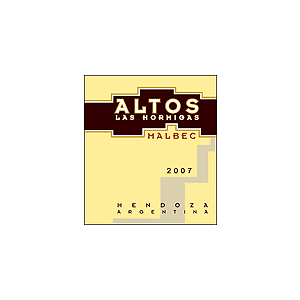
Altos Las Hormigas Mendoza Malbec 2007 – Argentina

Altos Las Hormigas Mendoza Malbec 2007 – ArgentinaSince its inception, Altos Las Hormigas has been one of the hottest boutique wineries in Argentina. Situated in the midst of the mighty Mendoza, the Altos estate is located at an altitude of 2,500 feet, which puts it high into the foothills of the towering Andes, as the estate's name implies. Altos is unique among Argentine wineries. First, it specializes in the cultivation and production of just one grape varietal. In fact, this winery produces only one kind of wine – outstanding Malbec. Presently, the 475-acre Altos estate has 75 acres of vines under cultivation, all of which are devoted to Malbec.

Formerly known as Altos de Mediano when it released its debut vintage in 1997, Las Hormigas changed its name in 1999. This modification paved the way for the estate to use very old vines of Malbec from outside of the immediate geographic area of the property, which is solely within the Medrano region of Mendoza. Now under the ownership and direction of Marco de Grazia, whose portfolio of great Italian estates is second to none, Altos Las Hormigas produces sensational Malbec from selected old vines.

Indeed, if there is a single great varietal in Argentina, it is Malbec. Malbec is a French red wine grape in origin that made its way to Argentina from Bordeaux well over a century ago, before the phylloxera scourge devastated the vineyards of Europe. In Bordeaux, where it is often referred to as Cot or Pressac, it still plays an important, but now subordinate role, alongside of Cabernet Sauvignon, Merlot and Cabernet Franc. However, around Cahors in Southwest France, Malbec remains the major player, accounting for the traditional, full-flavored "black wine" of Cahors. It is with this excellent, dark colored Cahors-style Malbec in mind that Altos Las Hormigas excels, transforming Malbec's great color, flavor and tannin into tasteful velvet.

Argentina: Where Quality and Quantity Abound

Argentina has long been one of the world's leading producers and consumers of wine. Presently, this sprawling nation, which contains some of the world's most diverse geography: tropical jungle, barren desert, towering snow-capped mountains and windswept deserted islands that herald Antarctica, is the world's fifth largest producer of wine and the planet's third largest consumer of the fruit of the vine, placing it just behind Italy and France. As an interesting comparison, Argentina consumes more than five times the amount of wine per capita as does the United States, (10.5 gallons per capita in Argentina versus just 2.00 gallons per head in the United States). Moreover, Argentina is no longer just a source of good, plentiful, every day plonk; it is increasingly a treasure chest of world-class wines.

Although Argentina has cultivated the vine since the arrival of the first Spanish missionaries in the 16th century, the modern tale of wine in Argentina really begins with the Italian migration of the late 19th century. Sparked by political strife and economic stagnation in their homeland, many Italian growers and winemakers headed for Argentina. Settling in the dry, rain-starved Mendoza at the base of the Andes Mountains, these Italian immigrants began to sluice the snow waters from the mountains onto their vineyards, causing the desert to bloom. In less than a century, the Mendoza, a state approximately the size of Illinois, has become Argentina's leading wine-producing region, accounting for the vast majority of the nation's wine production and more than half of all the wine made in South America.

Driven by Argentina's seemingly insatiable thirst for wine, as well as the burgeoning worldwide demand for fine wine, especially well-made reds, the "Mighty Mendoza" now comprises some 700,000 acres of vines, and is still growing. The vast majority of wine from the arid, nearly insect-free environment of Mendoza is red, and happily the quality of these wines continues to grow exponentially. The recent attention to quality is much to the delight of savvy North American consumers, who are now gobbling up the wine wares of Argentina at an ever-increasing rate.

Since the early 1980's, an infusion of international talent has transformed the Mendoza. With the likes of Paul Hobbs, Jacques and Francois Lurton and more recently Marco de Grazia, Argentina and the "Mighty Mendoza" are finally coming into their own. This once sleeping giant now houses a treasure trove of fine wines, with the wonders of Malbec in the vanguard. Excellent Cabernet Sauvignon is also being fashioned here; and in recent years, Argentina has made great strides in the production of white wines, too, most notably with Chardonnay and Torrontes, an Argentine specialty. Viva Argentina!
 
Tasting Notes: Altos Las Hormigas has been one of the benchmark producers of Malbec in Argentina for nearly a decade, fashioning balanced, flavorful wines that set a high standard of excellence. However, the estate's 2007 Malbec has once again raised the bar several notches. Unequivocally, the 2007 Altos Las Hormigas Malbec is the finest regular bottling of Malbec that this estate has made to date, and it is richly deserving of the great critical acclaim it has already received from the wine press. Not only is the 2007 Altos Malbec a supremely balanced wine, it is endowed with a rich, royal robe. It also possesses a haunting aroma of black cherry, blueberry, and sandalwood and a flavor profile that simply won't quit. Ripe, mouth filling fruit, sizzling bacon fat or what the French refer to as gras coat the palate and tantalize the tongue. And on the palate, the Altos Las Hormigas is as smooth and refined as any young Malbec can possibly be. Yet, even more enthralling are the layers upon layers of flavor that unfold with every sip. Deep, pure Malbec fruit, spice, sweet tannins, and inexorable charm pour from the glass. Moreover, this beautiful Malbec is accessible from the moment it is opened. Nevertheless, the wine improves with aeration, as it continues to reveal complexity, nuance, and true subtlety of flavor with a bit of time and patience. With an hour or more in a decanter, one single, seamless garment emerges from this sexy potion, which leads us to suggest very strongly that you stock up on this little treasure while the limited supply lasts. You will be glad that you did. As always, we suggest serving the Altos Las Hormigas Malbec at cool room temperature (62°-66° F).

Accompaniments: Malbec is rarely a wine to stand on ceremony, nor is it a wine to serve with Nouvelle Cuisine. Rather, it prefers simple, hearty cooking, with which it shares a natural affinity. Consequently, we strongly suggest that you introduce the 2007 Altos Las Hormigas Malbec to almost anything that comes off the grill: steaks, burgers, kebobs, even lamb chops. Meats, stews, and wild game also provide excellent accompaniments to the exemplary 2007 Altos Malbec. Keeping with the Italian influence and tradition in the Mendoza, we also recommend this hedonistic Malbec with full-throttle pasta dishes and most tomato rich, southern Italian specialties, including pizza, as the staples of a Mediterranean kitchen: garlic, olive oil and fresh, ripe plum tomatoes will not overpower this flavorful but balanced Malbec. So, why not have a party and invite a few friends for dinner? Enjoy!

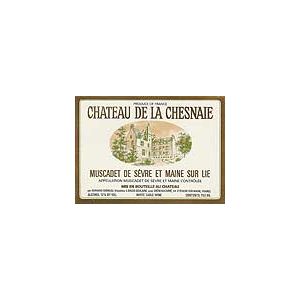
Domaine Chéreau-Carré Château de la Chesnaie Muscadet Sèvre-et-Maine 2006 – France

Domaine Chéreau-Carré Château de la Chesnaie Muscadet Sèvre-et-Maine 2006 – FranceChâteau de la Chesnaie is a special, limited production of Sèvre-et-Maine Muscadet by the venerable house of Chéreau-Carré, the most prestigious of all Muscadet producers. Château de la Chesnaie is a family-owned property, whose holdings occupy the most privileged position in the entire Nantes region of France. This family-owned property dates back to the 15th century. Presently, Chéreau-Carré's vines cover more than 267 acres of the highest quality soil in the most prized region of Muscadet known as Sèvre-et-Maine.

Chéreau-Carré is managed by Bernard Chéreau, whose family's connection to wine dates back to the eleventh century – giving the family 1,000 years of collective oenological history. Bernard's passion for the premier Muscadet grape – Melon de Bourgogne – is evident in the quality of all of his wines, but none more so than in Château de La Chesnaie and in his most recent luxury offering Le Clos. Bernard runs three separate estates under the umbrella of Chéreau-Carré: Château de La Chesnaie, whose wines originate from a 25 year old parcel in the heart of Sèvre-et-Maine; Comte Leloup de Chasseloir, a selection of pre-phyloxerra vineyards dating back to the turn of the last century; and Le Clos, a small single vineyard of 100-year old Muscadet vines that are grown on schist soils.

Bernard is passionate about the location of his vines as well as the handling of each individual parcel within each vineyard. Using only indigenous yeast and extended lees contacts, Bernard Chéreau has repeatedly demonstrated his preeminence as the region's finest producer of Muscadet. Moreover, he continues to push the envelope in terms of quality and consumer expectations for Muscadet. This dedication has earned Chéreau-Carré's wines a welcome place at table in nearly all of the finest seafood restaurants in Paris.

Muscadet Sèvre-et-Maine

Muscadet has the only classified vines in Brittany. This large appellation lies near the mouth of the Loire River, just to the south of the city of Nantes. Sèvre-et-Maine, which occupies the hills above the two small rivers from which the appellation draws its name, is the finest part of the sprawling Muscadet appellation. Two grapes, both white, have traditionally been associated with Muscadet: Gros Plant and Melon de Bourgogne. However, Melon de Bourgogne is a far superior grape to Gros Plant and is now the only grape variety allowed in Muscadet wines that bear the Sèvre-et-Maine appellation. Melon de Bourgogne was brought to Muscadet in the 17th century and was once a permitted variety in Burgundy, as its name implies. Although rarely complex or profound, the finest wines of Muscadet provide splendid accompaniments to seafood and can hold their own with many more famous and expensive white wines. Truly, the wine wares of Muscadet Sèvre-et-Maine constitute presently some of the finest values in French wine.

Tasting Notes: Fresh, light, jaunty and uplifting, the 2006 Château de la Chesnaie Sèvre-et-Maine captures all of the good cheer and easy drinking that the fine wines of Muscadet can proffer. And to add to its appeal, this delightful Sèvre et Maine from Chéreau-Carré also possesses a beautiful draught of stony fruit and a persistent mid palate appeal from spending four months sur lie (resting on its skins, etc.) prior to bottling. Moreover, a pleasant taste of oyster shell and brine marry willingly to the clean, beautiful, bone-dry fruit of Melon de Bourgogne to render the 2006 Château de la Chesnaie as eminently enjoyable as it is quaffable. The best Muscadet wines, and certainly all those that bear the appellation Sèvre et Maine, are produced sur lie in the manner of Château de la Chesnaie: simply, spending a considerable amount of time sur lie imparts additional flavor and subtle complexity to white wine. We suggest that at least initially you give this crisp, sprightly wine a good chill (38°- 40° F), but we also encourage you to savor the Château de la Chesnaie as it warms a bit in the glass, especially with food; a whole other taste sensation awaits the patient imbiber. Salut!

Accompaniments: Muscadet is very much a wine region whose climate, history, and sustenance are married to the sea. Therefore, it should come as no surprise that the wines of Muscadet, and especially those of Sèvre-et-Maine, are fashioned with all of the fruits and creatures of the sea in mind. In France, oysters are the traditional, tried-and-true accompaniment to Muscadet. In nearby Nantes as well as in Paris, the bistros and fish restaurants all attest to Muscadet's preeminence. Consequently, raw oysters and the 2006 Château de la Chesnaie are a perfect combination, but for those wary of consuming raw crustaceans (and one is justified in being so leery), we suggest Oysters Florentine, Oyster Stew, or almost any style of sautéed oysters. Crab, mussels, prawns, scallops, and shrimp offer equally fine pairings with this wine. Specifically, Shrimp Cocktail, Shrimp Scampi, and Scallops en Brochette make for tasty accompaniments. Sole, flounder, and most light, white fish will pay homage to the 2006 Château de la Chesnaie as well. Bon Appétit!

Miro Cellars Somners Vineyard Dry Creek Valley Petite Sirah 2005 – California

In recent years, it has become apparent from numerous tastings that many of California's most compelling wines – flavorful, natural tasting wines that are both interesting and just plain fun to drink – are being made by a coterie of small boutique wineries that are dedicated to quality and individuality. Whether these wines are from long-time growers of superlative fruit who have decided to take a turn at winemaking or from well-established winemakers and enologists who have simply had enough of commercial formulas, small lots of excellent wines abound in California. One of these exciting young boutique ventures is Miro Cellars.

Miro Cellars is the handiwork of winemaker and owner Miro Tcholakov, the current winemaker at Sonoma's Trentadue Winery. At Trentadue and at his own cellar, Miro fashions award-winning wines. Miro's specialties are Petite Sirah and Zinfandel, as his most recent releases will attest. Miro Tcholakov's wines have been top picks in USA Today and The New York Times, and they have been lauded by every major wine publication. The only problem with Miro's wines is their availability; procuring them is no mean feat. In the case of Miro's 2005 Petite Sirah, only 650 cases were made. Nevertheless, we have managed to obtain just enough of the outstanding 2005 Miro Dry Creek Valley Petite Sirah to offer you a bottle. Enjoy!

Tasting Notes: Somners Vineyard is a four acre vineyard well known for its superlative Petite Sirah and Zinfandel. The vineyard's unique combination of slope, exposure, and soil type are an ideal match for Petite Sirah. They provide sufficient heat to the vineyard during the day, followed by rapid night time cooling, and the results are aptly displayed in Miro's 2005 Somners Vineyard Dry Creek Valley Petite Sirah. Inky purple, deep, and aromatic, this is Petite Sirah at its best. On the nose the wine displays a draught of intense berry fruit, coupled with spice, roasted coffee, and a dash of angostura. Full and rich, this Miro Petite Sirah engages the palate immediately, revealing opulent, burnished fruit, bark, spice, and layers of flavor. With aeration, additional flavors emerge: blackberry, graphite, and white pepper come to fore. For such a young wine, the 2005 Miro offers already a surprising amount of complexity along with its rich flavors and lush texture. However, this single vineyard Petite Sirah will almost certainly gather additional complexity and subtlety of flavor with another year or two in bottle. The question is this: Can you wait?

Accompaniments: Hearty wines with some flesh and bone such as the 2005 Miro Somners Vineyard Dry Creek Valley Petite Sirah (14.5% alcohol and a boatload of flavor) pair extremely well with all kinds of flavorful foods. Grilled rib eye steaks, served with garlic mashed potatoes: wood grilled double cut lamb chops, brushed with extra virgin olive oil and seasoned with fresh mint and rosemary; grilled spicy Italian sausage, peppers, and onions; and just about any other meat or vegetable suitable for the grill will match up nicely with this excellent Petite Sirah. Classic Italian favorites pair up beautifully as well. For starters, how about trying the 2005 Miro Petite Sirah with brick oven cooked pizzas and calzones? Chicken or veal Marsala won't suffer any in the presence of this wine, either. Moreover, complex Northern Italian specialties that make use of mushrooms, truffles, and complex sauces will offer an even greater complement to Miro Tcholakov's majestic Petite Sirah.

Rosenblum Cellars Château La Paws Côte du Bone Blanc 2006 – U.S.A.

Rosenblum Cellars is one of a just a few dozen California wineries that are internationally known. Located in Alameda, California, Rosenblum Cellars fashions 40 different wines in any given vintage – almost all in small lots from California's finest vineyards. This remarkable winery began as a basement operation by veterinarian Dr. Kent Rosenblum. In Rosenblum's own words, "Winemaking was a hobby gone wild." And aren't we glad it did. Rosenblum Cellars has evolved into a world-class winery whose specialties include many award-winning Zinfandels and a bevy of delicious Rhône style red and white wines from single vineyards.

In 1978, after years of making wine out of his home, Kent Rosenblum and several close friends took the great leap of faith and passion: they bought property next to the infamous Dead End Bar in Oakland, once a prohibition speakeasy, and began their own winery, Rosenblum Cellars. The winery's first great success was with Zinfandel, which Rosenblum and his cohorts made fashionable by turning out a dozen or more top-notch wines from the mercurial Zinfandel grape. From the beginning Kent focused on fashioning exceptional vineyard designate wines from mountainside dry-farmed, head-pruned, old vines. And the public response was sensational. In 1986, Rosenblum Cellars won the sweepstakes at the San Francisco Fair Wine Competition with its George Hendry Reserve Zinfandel. The winery promptly moved into its present location in Alameda and has never looked back.

Under Kent Rosenblum's watchful eye his magical winery continues to fashion some of California's most compelling wines from a large assortment of red and white varietals. In addition to producing top-notch Zinfandels, Rosenblum Cellars now crafts award-winning Cabernet Sauvignon, Merlot, Chardonnay, and Rhône varietals such as Syrah, Petite Sirah, Mourvèdre, Viognier, Marsanne, and Roussanne. The Château La Paws series is Rosenblum's most recent feat: juicy Rhône style wines that go down ohhh so easy. Moreover, a portion of the proceeds from every bottle of the La Paws series goes to support charities that bring together animals and people with disabilities.

Tasting Notes: Crafted by Rosenblum Cellars winemaker and longtime veterinarian Kent Rosenblum, the Château La Paws series of wines is produced as a tribute to the animals that bring us so much joy. In the case of the 2006 Château La Paws Côte du Bone Blanc, Kent Rosenblum has fashioned a vibrant, hedonistic concoction from a host of mostly white Rhône varietals. Highly aromatic and delightfully fruit driven, the 2006 Côte du Bone Blanc contains a bit of the exotic in its scent and savor. The essence of summer fruits straight from the orchard combines with a medley of tropical island fruit to tantalize the nose and glide deftly across the palate. Placed in a medium body and framed with just enough backbone and acidity to finish dry, this mercurial wine ends with both a twist and a zip. For optimal enjoyment, we suggest giving the 2006 Côte du Bone Blanc a moderate to full chill (38°-45° F).

Accompaniments: The 2006 Rosenblum Cellars Château La Paws Côte du Bone Blanc is the perfect wine to accentuate all kinds of foods, particularly dishes with unique flavors that are typically difficult to match. Shrimp and Avocado Salad and Spicy Chicken Salad with honey, apple, coriander, and pecan create delightful interludes with this wine. Chinese, Thai, and Vietnamese specialties also provide excellent complements to the 2006 Côte du Bone Blanc. Stir fried Chicken and Broccoli, prepared with a pungent garlic sauce; Thai Chicken and Basil; Stir Fried Noodles with carrots and broccoli; and Vietnamese Spring Rolls all offer exemplary complements to Kent Rosenblum's latest white wine sensation. It seems the spicier the food, the more sensual and complimentary the 2006 Château La Paws Côte du Bone Blanc becomes. However, one should not discount this hedonistic, racy white wine as the aperitif par excellence. Besides, this Côte du Bone Blanc is simply an excellent way to while away the day or the waning rays of sunset, so enjoy!

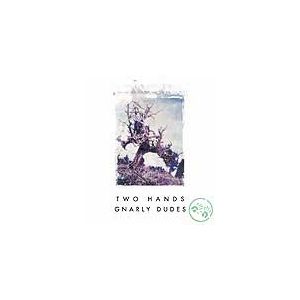
Two Hands Gnarly Dudes Barossa Shiraz 2006 – Australia

Two Hands Gnarly Dudes Barossa Shiraz 2006 – AustraliaTwo Hands is one of South Australia's hottest boutique wineries. The "two hands" at this remarkable young winery belong to Michael Twelftree and Richard Mintz. Together, they fashion an array of full-throttle, super saturated Shiraz wines from ancient Barossa, Padthaway, and McLaren Vale vines. Although Twelftree and Mintz began making wine at Two Hands only in 2000, their wines have quickly won the hearts and palates of consumers and wine critics alike, the world over.

Twelftree and Mintz have been friends for years and share a passion for Australian wine. However, each brings to their exemplary venture a unique experience in the Australian wine industry. Michael Twelftree spent his early years in the construction industry before becoming a major exporter of Australian wines to the United States and Asia. Richard Mintz, a chartered accountant (the American equivalent of a CPA) was formerly the CEO of one of Australia's leading cooperages in South Australia's Barossa Valley. By 1999, both gentlemen had decided they would rather make wine than count beans. Moreover, their overriding passion was to create great wines from the many noble terroirs and single, dry-farmed vineyards throughout South Australia – a goal that the "two hands" have continued to fulfill repeatedly since the inception.

In 2000, the "two hands" began their oenological odyssey by crushing 17 tons of fruit from McLaren Vale and Padthaway. From their very first release, Twelftree and Mintz scored big at home and abroad, garnering a steady stream of peerless reviews. And just five years after launching their venture, Two Hands was dubbed the "the finest negociant south of the equator" by Robert M. Parker. Two Hands has also been listed in the Wine Spectator Top 100 for the last five years, and two listings have even been in the top 10. Similar accolades have been bestowed upon Two Hands by the Wine Advocate, International Wine Cellar, and the UK'S most prestigious wine journal Decanter.

In order to fulfill their dream of fashioning small lots of the finest Australian wines from old vines, Twelftree and Mintz designed and built a new winery that is suited specifically for small batch production of the very finest fruit. Located in Marananga in the heart of South Australia's Barossa Valley, the Two Hands winery features a very contemporary interior and all the amenities for special handling. Since opening its doors in December 2003, Two Hands has become one of the must stops in the Barossa.

Shiraz (shee-raz)

Shiraz is the Australian name for the Syrah grape, and probably a bastardization of either Heraz, a river and region of ancient Persia (present day Iran) or Herat, a former Persian city now in Afghanistan, where Shiraz is thought to have originated. How Shiraz made its way to France remains a mystery, but by the Middle Ages, Syrah was an important grape variety in southern France. Even today, it remains immensely popular in Provence and along the steep banks of the swift moving Rhône River, where it is responsible in all or part for many of the greatest red wines of France (Hermitage and Châteauneuf-du-Pape specifically).

Most of the Shiraz vines planted in Australia (where Shiraz is one of the most planted red wine grapes) trace their ancestry back to France, though some evidence suggests that Syrah arrived in Australia from France via South Africa. Such a circuitous route points to the likelihood that Syrah left France before the twin plagues of oidium and phylloxera in the last half of the 19th century and that the Syrah vines that arrived in Australia stem from older clones of the varietal than those found presently throughout most of southern France and California. Furthermore, as France recovered from the devastation of phylloxera, new clones of old favorite grape varieties such as Syrah were often replanted in the vineyards. For these reasons some consider Shiraz to be a distinct clone of the Syrah varietal and entitled to its own name. However, for all intents and purposes, the two names, Shiraz and Syrah, are synonymous.

Tasting Notes: The Gnarly Dudes Shiraz is one of Two Hands' flagship offerings. The name Gnarly Dudes refers to the old gnarled dry farmed Shiraz vines from whence the wine comes. As Twelftree and Mintz are fond of saying, "Shiraz grapes, mature vines and the Barossa Valley, there is nothing quite like it." And they're right. The 2006 Gnarly Dudes Shiraz exhibits a deep, saturated purple robe that appears nearly black; and from this deep brooding potion rise the heaven scent and savor of raspberry, blackberry, graphite, cedar, plum, and spice. On the palate the wine is supple and textured, though ohhh so rich and fulfilling. Given the supreme balance and lithe spirit of this delicious Shiraz, one would never suspect that a hefty 15.1% alcohol content lurks within, as Gnarly Dudes is anything but rough around the edges. Enjoy this luscious Barossa Shiraz cool (59°-65° F) after a half hour or more of aeration or lay it down for a few years to garner even greater flavor and finesse. Anticipated maturity: 2008-2014.

Accompaniments: At first, it may not sound supremely appetizing, but you really must have the 2006 Two Hands Gnarly Dudes Barossa for dinner. Certainly, just about any meal will do: the Gnarly Dudes are not very hard to please. However, appearances can be deceiving: the 2006 Gnarly Dudes just as readily rise to the splendors of the table. Consequently, the finest cuts of beef, lamb, and pork all afford excellent accompaniments to the Gnarly Dudes, as do most classic Mediterranean style dishes. Black Olive Encrusted Rack of Lamb, with roasted garlic, fresh rosemary and herbes de Provence is a perennial favorite. A rich Ratatouille, served with homemade pasta; and a full-flavored Chickpea, Tapenade and Roasted Red Pepper Spread, served on toasted rounds, provide other outstanding choices with the Gnarly Dudes. Hand crafted cheeses such as Fontina, Gouda, Muenster, and Port Salut also provide simple, tasty accompaniments to the knock out 2006 Gnarly Dudes. Enjoy!

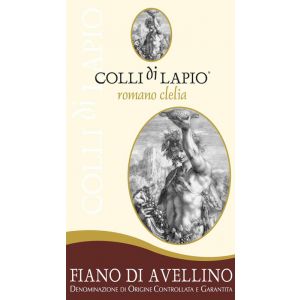
Colli di Lapio Fiano di Avellino D.O.C.G. 2006 – Italy

Colli di Lapio is a small, family-owned winery that crafts what many critics have dubbed "the finest wine of Fiano di Avellino." Run with expert care and supreme dedication by the youthful Clelia Romano and her family, Colli di Lapio comprises a mere 6 hectares (or a little more than 13 acres). The winery, adjacent to the property's superbly tended vineyards, is modern and clean but no bigger than a large garage. One has to wonder how Clelia and the estate's winemaker, Angelo Pizzi, can even turn around in the place during harvest time, as there is not a single centimeter of space to spare. However, judging from the quality of this estate's flagship Fiano di Avellino, neither worries about such trivial matters, nor should we. What ends up in the bottle is ultimately what matters, and Colli di Lapio's Fiano di Avellino is certainly one of southern Italy's finest white wines. Needless to say, production at Colli di Lapio is miniscule – only 100 cases of their Fiano di Avellino even make it to the United States.

In addition to fashioning Fiano di Avellino's most lauded white wine from estate vineyards, Colli di Lapio also crafts two very fine red wines from nearby appellations: Irpinia Aglianico "Donna Chiara" and Taurasi "Vigna Andrea." Both wines reflect the nobility of Aglianico, the quintessential red varietal of southern Italy. The Greeks planted Aglianico in southern Italy around 700 B.C. when much of the Italian peninsula and Sicily were part of Magna Graecia. The name Aglianico itself is an Italianate distortion of Hellenico, meaning Greek. Aglianico is a superb varietal, perfectly suited to Italy's Campania, most especially the appellation of Taurasi and the surrounding province of Irpinia, both of which lie in the mountains just west of the Amalfi Coast. In the Campania, once known as the granary of Rome, Aglianico produces a truly superb red wine, complex and deep, that is the equal of any in Italy, including the renowned Nebbiolo wines of Barolo and Barbaresco fame.
.
Fiano di Avellino

Fiano is one of the two noblest white grapes of southern Italy. The finest examples of Fiano typically hail from the environs of the ancient Campania town of Avellino; hence, the name of the D.O.C.G. contains both the varietal name and its generic origin – Fiano di Avellino. Fiano has been grown in and around Avellino for more than two millennia. This noble grape variety is believed to have been brought to the Italian peninsula by the Greeks more than 2,500 years ago. Fiano's reputation is both long and illustrious: its forebears are reputed to have been the favorite libation of Roman elite vacationing along the Amalfi Coast. Apparently, not much has changed in two thousand years.

Today, Fiano continues to woo adherents as it produces an exceptional wine of pale golden color and remarkable aroma, flavor, and texture. It is also the rare southern Italian white wine that can not only withstand several years of aging in bottle, it actually requires a few years of bottle age to be at its best. It is fermented in stainless steel or ceramic and bottled after about six months. Fiano di Avellino is rarely if ever barrel aged. Most notable Fiano wines will see an additional six months in bottle before release, which means Fiano will rarely be for sale before its first birthday.

Tasting Notes: The 2006 Colli di Lapio Fiano di Avellino possesses a pale, straw colored robe that radiates the warmth of the southern Italian sun. With a slight tinge of green that dazzles the eye and a complex set of aromatics, the mere appearance of Colli di Lapio's outstanding Fiano di Avellino foreshadows its destiny and the goodness it is prepared to pour forth. A layered, multifarious nose of flowers, angostura spice, dried honey, and freshly picked summer fruit presents an exhilarating counterpart to the wine's white peach and citrus flavors, as well as to its structured mineral rich finish. Although more elegant and ultimately more sophisticated than Campania's other premium white varietal, Greco di Tufo, and most other Fiano based wines, too, the Colli di Lapio retains high natural acidity that assures age worthiness as well as a long, clean, fresh finish – even after several years in bottle. It is Fiano's ability to age and develop secondary characteristics that merit its place among the most noble of Italian white varietals. Consequently, for those tasters patient enough to allow this elegant white wine an additional six months or even a year in bottle, there will be handsome rewards. In any case we suggest serving Colli di Lapio's Fiano moderately chilled (about 40° F). Anticipated maturity: 2008-2011.

Accompaniments: Like its Campanian compatriots in nearby Greco di Tufo, Fiano di Avellino is born upon hills in sight of the sea. From the craggy Amalfi Coast that soars high above the swirling depths and the rugged green Apennine Mountains that climb precipitously inland to the very backbone of Italy, there is no better wine to accompany the region's many specialties than Colli di Lapio's 2006 Fiano di Avellino. Made to highlight the catch of the day as well as the produce of the land, Colli di Lapio's Fiano is a brilliant partner to all kinds of fish, shellfish, veal, chicken, and legumes. Rock fish, mullet, snapper, and shrimp all provide excellent pairings. The prized Buffalo Mozzarella of nearby Sorrento, drizzled with extra virgin olive oil and served with fresh, juicy local tomatoes also provides superb companionship to Clelia Romano's prized Fiano. Veal Osso Bucco offers yet another local favorite and gustatory delight, especially when paired with a bottle of mature Fiano di Avellino. Buon Appetito!

Guelbenzu Lautus Ribera del Queiles (Navarra) 2001 – Spain

For centuries, the Guelbenzu family of Cascante has been enjoying great acclaim for their innovative, award-winning wines. As far back as 1851and the First Universal Exposition in London (the forerunner of the World's Fair), Don Miquel Guelbenzu was wowing audiences with his remarkably rich, atypical Navarra wines, at a time when Navarra was hardly a household word. A graduate of the Sorbonne with a degree in Chemistry, Don Miquel went on to great critical and commercial success in Navarra. His wines won gold medals in all of Europe's most illustrious competitions, including at the time the world's most prestigious wine fair: the Exposition Universelle de Bordeaux. Therefore, it was in the spirit and tradition of Don Miquel that his eight great-grandchildren pooled their resources in 1980 and resurrected their ancestor's great wine estate, thereby restoring the legacy and the good name of their famous forefather.

In the early 20th century, the Gualbenzu property, like so many Spanish wine estates in the last century (especially those outside of the favored regions of Rioja and Jerez) suffered from the crippling blows of vine diseases, politics, hardship and neglect, which virtually ceased wine production. In order to reverse the family's wine fortune, the eight Guelbenzu siblings got together and planted 98 acres of choice vineyard plots encircling the ancestral home in Cascante to Cabernet Sauvignon, Merlot and Tempranillo. These plots sit at the foot of towering, snow capped Mt. Moncayo, which provides just enough run off to moisten the Guelbenzu vineyards through Navarra's hot, drought-plagued summers, so that today all of the estate's vineyards are dry farmed. To assure quality and avoid the use of young or immature vines, the family waited until 1989 before bottling their first vintage and re-launching their family vineyard estate – such is the family's attention to detail and quality

The present production at Guelbenzu averages 250,000 bottles per year, most of which is bottled as Gualbenzu Azul. However, when conditions are ideal Guelbenzu will fashion a very special wine called Lautus. Lautus is a strictly limited production wine that is made in the finest vintages from the very best and very oldest of the estate's vines. Traditionally, it is a blend of Tempranillo, Cabernet Sauvignon, Merlot, and Garnacha.

Today, Guelbenzu combines the best of traditional winemaking with modern techniques. The contemporary winery in which Lautus and Azul are made maintains Don Miquel's original gravity flow design from 1851. However, stainless steel fermentation tanks are now in use at Guelbenzu, having been inserted through the roof of a nearby building that was formerly used for pressing olive oil. Yet, the best of tradition still lives on at Guelbenzu in the aging process. In the original wine cellar, large custom made Allier oak uprights fill the space that Don Miquel made famous. We are confident that Don Miquel would be proud of the restoration at Guelbenzu and of his progeny for providing living testimony to Navarra's place in history.
 
Tasting Notes: Born in one of the finest vintages in Spain in recent memory, the 2001 Guelbenzu Lautus is deep in color, displays a store of aromatic fireworks, and is packed with a beguiling array of flavors. Reminiscent of classified Bordeaux, the aroma of rich ripe Cabernet Sauvignon is the first scent to dazzle the nose, but hardly the last. An artful blend of 50% Tempranillo, 20% Cabernet Sauvignon, 20% Merlot, and 10% Garnacha, Lautus reveals well-endowed fruit: blackberry, cassis, and currant, which are tastefully wedded to hints of dark chocolate and graphite. As the wine breathes, it reveals layer upon layer of lush fruit and well delineated flavors. Wood and spice tones mingle with the wealth of black fruits and mineral tones – all of which meld perfectly to Lautus' ripe, sweet tannins. Although beautiful now, the 2001 Lautus will continue to improve in bottle for at least several more years. For optimal enjoyment, we suggest serving the 2001 Guelbenzu Lautus slightly above cellar temperature (about 64°F), after allowing it to breathe for at least thirty minutes.

Accompaniments: Grilled lamb or beef, pungent meat and vegetable stews, and just about any highly charged meat or vegetable dish will pair well with the 2001 Guelbenzu Lautus. Traditional Spanish fare, classic French and Provencal dishes, and even a wealth of Northern Italian specialties offer excellent complements to this wine. Roast lamb or pork in a black olive paste; Florentine Steak; and Veal Chops, served with a creamy risotto, are just a few of our favorite pairings with Lautus. However, if you are looking to elevate some simple, but tasty, dish such as Black Beans and Rice or Meatloaf, the 2001 Lautus will add the crowning touch. Given the opulent flavor and texture of this rich but elegantly wrought wine, the 2001 Guelbenzu Lautus speaks volumes on its own. Yet, it offers such exquisite companionship to handcrafted cheeses that it would be a shame not to double the pleasure. Some particularly fine cheese pairings include Aged Cheddar, Smoked Gouda, and Havarti. Manchego also provides a veritable treat and a crowning touch to a superb dinner party, especially when accompanied by a glass of the 2001 Lautus. To find out more about exceptional international cheeses and wine and cheese pairings, visit our In Pursuit of Cheese website at www.cheesemonthclub.com. Enjoy!


logo for wine club
Since 1994
Home
Join Our Wine Club
Gift Memberships

Membership Renewals
Reorder Your Favorites
Wine of the Month Club
More Information
Current Selections
Past Selections
Testimonials
Other Gourmet Gifts
Corporate Gifts
Wedding Gift Ideas
All About Wine
Website Tools
Who We Are
Contact Us

1 - 800 - 625 - 8238
(Outside US call: 949-206-1904)
P.O. Box 1627, Lake Forest, CA 92609