Welcome to The International wine of the Month Club

Featured Wines

September 2007

Premier Series
Featured Wineries & Wines
Membership Type
Villa Giada Suri Bargera d'Asti 1 Red 1 White; 2 Reds
Costantini Massarosa Grascati Superiore 1 Red 1 White; 2 Whites
Chateau St. Jean Cabernet Sauvignon 2 Reds
Lake Sonoma Russian River Chardonnay 2 Whites


Master Series
Featured Wineries & Wines
Membership Type
Casa Silva Quinta Generacion 1 Red 1 White; 2 Reds
Costantini Massarosa Grascati Superiore 1 Red 1 White
Villa Giada Suri Bargera d'Asti 2 Reds


Collector Series
Featured Wineries & Wines
Membership Type
Casa Silva Quinta Generacion 1 Red 1 White; 2 Reds
Can Feixes Chardonnay 1 Red 1 White
Cape Mentelle Cabernet Sauvignon 2 Reds

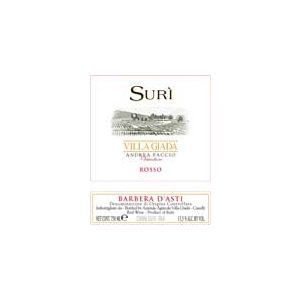
Villa Giada Surì Barbera d'Asti 2006 – Italy

Villa Giada Surì Barbera d'Asti 2006 – ItalyAndrea Faccio's Azienda Agricole Villa Giada brings exquisite wines to the table from the classic grape varieties his family has grown in Italy's Piedmont for more than two centuries. Located midway between Asti and Alba, the world's foremost production zones for Barbera, Villa Giada specializes in the making of handcrafted Barbera wines from single vineyards. With more than forty-five acres of estate vineyards, located around three ancient farmhouses, Villa Giada's aim is to fashion great wines from individual vineyards and terroirs – a goal that local cognoscenti and international wine critics alike agree that Andrea Facccio has more than fulfilled.

Villa Giada's historical property dates to 1790, and the estate's ancient farmhouses and winery remain in use today. The old part of the winery still plays host to all of the estate's barriques (small oak barrels), which refine the classic Barbera wines that Andrea Faccio so adeptly crafts. In addition, Villa Giada also sports a modern winery that features stainless steel vats, temperature and pressure control equipment, and the latest technological accoutrements. Moreover, Donato Lanati, a professor at nearby Turin University and one of Italy's foremost oenologists, assists Andrea in the crafting of Villa Giada's wines. Together this dynamic duo fashions wines that are both internationally appealing and traditional in character. For this reason Villa Giada wines has begun sealing some of its wines with a specially designed synthetic cork, which preserves the wines original fruit and character while it prevents any possible taint that cork can imbue.

Although Barbera remains the flagship varietal at Villa Giada, this erudite estate also turns out small quantities of other classic Piedmontese specialties, including several still whites from local varieties and a lovely frizzante (lightly, naturally sparkling) Moscato d' Asti.

The Piedmont

In the north of Italy, nestled just beneath the great Alpine wall as it tumbles out of Switzerland and the gleaming Mediterranean Sea, lies the Piedmont. It is a region of myriad beauty. It is also the region of Italy closest to France in proximity as well as in the sheer quality and variety of exceptional wines it produces. For centuries, Italy's Piedmont remained a prize to be won, no doubt in part on account of the province's world famous cuisine that still draws happily on the abundance and quality of local truffles. Yet today, it is the superbly made wines of Italy's Piedmont that garner the most international recognition: complex, hedonistic red wines, still delicate whites, and sweet haunting Muscats. With such exquisite fare, should anyone question why the hearty robust delights of the Piedmontese table remain the region's most famous ambassadors to a hungry and thirsty world?

Tasting Notes: A soft, delicious rendition of Piedmont's classic variety, the 2006 Villa Giada Surì Barbera d'Asti expresses the hedonistic side of Barbera and highlights the tender qualities of this classic red wine from Asti. The 2006 Surì is scented and savory, like the Barbera wines of yesteryear. And unlike its varietal counterparts from nearby Alba, the 2006 Villa Giada Surì Barbera d'Asti does not try to mimic Barolo – Barbera's big, brooding brother that often requires years to resolve itself. Instead, Villa Giada's Surì Barbera is made to be drunk young and fresh within the first few years of life. The ruby robed 2006 Surì Barbera d'Asti bears the scent of ripe cherries, violets, and lush woodlands. It is light and lovely on the palate, so that one gets a full taste of Barbera fruit and spice, without a tannic after burn. However, as plush and easy to drink as the Surì Barbera is already, it still requires a bit of aeration to reveal its ultimate charm and grace. We suggest you allow this wine to breathe for at least thirty minutes before serving at cool room temperature (62°-66°F). Enjoy!

Accompaniments: Although full and savory enough to accompany many traditional Piedmontese recipes such as Agnolotti (Piedmont style ravioli), Veal Marengo, and Fonduta (melted Fontina cheese from nearby Val d'Aosta, butter, eggs, and milk with shavings of white truffle), the 2006 Villa Giada Surì Barbera d'Asti may provide an even greater service to more mundane, everyday fare. A stuffed rotisserie chicken, Mom's meatloaf, or a dish of ordinary pasta will positively shine in the presence of the 2006 Villa Giada Surì Barbera d'Asti. Pizza, calzones, and simple meat dishes will enjoy the noble company of the Surì Barbera d'Asti as well. Polenta (Northern Italy's version of grits), prepared with plenty of fresh butter and cream, and grilled Italian sausage, with cheese or fennel, offer other easy to prepare treats with Villa Giada's lovely 2006 Surì Barbera.

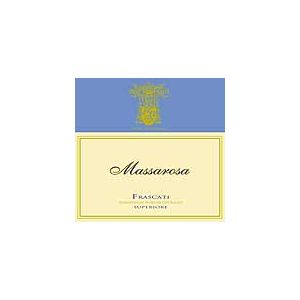
Costantini Massarosa Frascati Superiore 2006 – Italy

Costantini Massarosa Frascati Superiore 2006 – ItalyCostantini Massarosa is not your typical Frascati, but then again Piero Costantini is not your ordinary winegrower, nor is he emblematic of the industrialist mentality that pervades the production of so much of today's Frascati. At Costantini Massarosa, which was formerly known as Villa Simone, quality is supreme. All of Costantini's grapes are organically cultivated and all systemic treatments have been banished from this 55 hectare estate in favor of natural, sustainable methods of disease control. Furthermore, production per hectare is half the legal limit, and great care is expounded both in the vineyard as well as in the cellar to make the Frascati of Costantini Massarosa the finest in the region. Thanks to Piero Costantini and his winemaker nephew Lorenzo, Frascati remains the pride and joy of Rome.

Latium (Lazio)

Latium is the region of Rome. It is, also, the source of so much of the wonderful produce, meat, and especially wine that flows into the Eternal City to sustain Romans and visitors alike. Latium is unquestionably one of the most important wine regions in Italy, both in sheer volume as well as quality. And what may come as a surprise to many is that ninety percent of Latium's wines are white, including the region's best known wine – Frascati.

Frascati is Latium's most famous wine, and so pervasive is its presence in Rome that the name Frascati has become synonymous with white wine and all that is Roman. Frascati does indeed produce the finest dry white wine from the hills around Rome, which are known alternately as Castelli Albani, Castelli Romani, and Colli Romani. The name notwithstanding, the Alban Hills offer a sun-drenched climate and a mineral rich volcanic soil, conditions that have proven ideal for the cultivation of Malvasia, Trebbiano, and a handfull of other local white wine varieties that constitute Frascati.

Today, Frascati is most often made light, clean, and very dry. However, Frascati can still legally be made semi-sweet (amabile) or sweet (cannellino), but such versions are increasingly rare. The same can be said for the other notable white wines of the Alban Hills, including Marino and Colli Albani.

In addition to Frascati and its siblings Marino and Colli Albani, Latium is home to Est! Est!! Est!!! and part of Orvieto. A growing number of select high quality red wines spring from the rural hills of Latium as well.

Tasting Notes: A glint of sun with flecks of yellow and gold, a taste of the sea, and a draught of mountain air, so clean and refreshing, all come center stage in the 2006 Costantini Massarosa. Light, fresh, and utterly satisfying, this Frascati provides the perfect summertime wine. It offers a very pleasant aroma and the savor of summer fruit, a subtle minerality, and a citrus twist, all of which conjure images of the glorious sun-drenched Alban Hills from whence it comes. This Frascati, also, finishes pleasantly dry, with a satisfying freshness that begs for another sip. Moreover, the 2006 Costantini Massarosa possesses a generosity and purity that are rarely seen in modern Frascati. We suggest serving this lovely, Roman treasure well-chilled and then allowing it to open slowly in the glass as it reaches towards a more ambient temperature. Although delicate and light on first impression, this Frascati will unfold gracefully in just a few minutes to reveal its many charms and facets. Enjoy!

Accompaniments: Frascati is the wine of Rome, a drink for all occasions, the correct accompaniment in the Italian capital for fish and fowl. Frascati is, also, the companion to nearly all the savory pasta and peasant dishes that Rome serves up so well and it doubles as thirst quencher and aperitif extraordinaire whenever the need or desire requires. What may come as a surprise then to some is how the light, thirst quenching white wine of Rome stands up to the hearty fare of the la cucina romana. And indeed, good Frascati will stand and deliver in the company of many a culinary delight, so consider the 2006 Costantini Massarosa Frascati Superiore with spaghetti all'aio or spaghetti peperoncini (spaghetti with hot olive oil, garlic and chili peppers), slices of fresh buffalo mozzarella, olive oil, herbs, and vine ripe tomatoes. Pasta and peas; artichokes steamed with oil, garlic, and cheese; and just about every other savory dish can be happily washed down with a glass or two of the 2006 Costantini Massarosa Frascati Superiore. And as for the classics, Fettucine Alfredo and Pasta Primavera shine in the presence of Piero Costantini's Frascati, too, and feel free to create your own concoctions or none at all. And let us not forget that as the summer sun rises overhead, Frascati will take the edge off the heat of the day, so take a few bottles of the Costantini Massarosa to the mountains or the beach, or simply enjoy the glory of Rome right in your own backyard.

Chateau St. Jean California Cabernet Sauvignon 2005 – U.S.A.

Chateau St. Jean or Château Margo as the winery's staff and the brand's staunchest adherents are fond of saying has been one of California's most heralded and consistent wineries over the last three decades. Not surprisingly, much of the winery's success lies in the fact that Margo Van Staaveren has been making wine at Chateau St. Jean for nearly three decades. Since graduating from UC Davis in 1979, Margo has never worked full time anywhere else. Like most California wineries, Chateau St. Jean has undergone several changes over the years in ownership as well as philosophy, but with Margo Van Staaveren always minding the vats, one bright, constant star has managed to guide Chateau St. Jean in the path of excellence.

When Margo first arrived at Chateau St. Jean, Dick Arrowood was the winery's chief winemaker. Now legendary, Arrowood later began his own winery, producing wines of unabashed excellence and critical acclaim. Margo concedes a great debt of gratitude to Arrowood, whom she considers a crucial mentor. However, when Arrowood moved on, Margo's husband, Don Van Staaveren took over as chief winemaker and he and Margo embarked on a new project that has since left an indelible stamp on the world of wine – Cinq Cepages, one of California's first great meritage wines. The 1996 Cinq Cepages was named Wine of the Year in 1999 by Wine Spectator but, perhaps, even more impressive is the fact that Chateau St. Jean had five of the six top rated wines on California's Top Hundred List that year.

Today, Chateau St. Jean is as renowned for its white wines as well as for its expertly crafted Cabernet Sauvignon and proprietary Cinq Cepages, thanks to Margo. Unequivocally, Margo Van Staaveren reigns over Chateau St. Jean, not only as the unofficial queen of Chardonnay, but also officially now as the winery's chief winemaker. Several years ago, Margo finally accepted the much-heralded position of head winemaker at Chateau St. Jean. In fact, "when we announced that she was taking over as winemaker, they (winery employees) had a cape for her and a crown," said Dan Leese, the winery's president and managing director. I guess we are not the only ones who recognize royalty when we see it. Long live the queen!

Tasting Notes: A lush, hedonistic style of Cabernet, the 2005 Chateau St. Jean California Cabernet Sauvignon contains more than its fair share of sensory pleasure. Plenty of ripe blackberry and cassis fruit, a broad creamy mid palate, a touch of cedar, and a healthy dollop of new oak all come together seamlessly in this wine and add up to one good drinking California Cabernet. Remarkably consistent and utterly pleasing from year to year, the 2005 Chateau St. Jean California Cabernet Sauvignon is another unequivocal success from Margo Van Staaveren. We suggest consuming this youthful Cabernet upon release, when it is still in the throes of its youthful splendor. A clean glass and a few minutes of aeration are all that are required to enjoy this latest, crowd-pleasing treat from Margo Van Staaveren. Bravo!

Accompaniments: The 2005 Chateau St. Jean California Cabernet Sauvignon comes as close as any young Cabernet can to "a sit around sipping kind of wine." This wine's plush body and smooth profile lend themselves to a party and offer, at long last, a crowd pleasing Cabernet that is both approachable and utterly appealing. However, like all of Margo Van Staaveren's wines, her California Cabernet exhibits considerable versatility as a superb accompaniment to a wide array of foods. Beef, chicken, lamb, pork, and even a host of Mediterranean style dishes pair well with this blithe Cabernet. One of our favorite complements with Margo's California Cabernet is marinated sirloin steak, prepared for the fire with a brush with garlic and herbs, and seared to perfection on a very hot grill. Meatloaf, stews, casseroles, and even some lightly curried dishes shine in the company of this wine, too, so no need to hold back. The Queen would approve. Enjoy!

Lake Sonoma Winery Russian River Chardonnay 2006 – USA

Lake Sonoma Winery is a small intimate 20-acre hillside estate, nestled among the rolling slopes of the beautiful Dry Creek Valley. Founded originally in 1977 by Robert and Mary Lou Polson, this hidden treasure was purchased in 1996 by Gary Heck, California's premier sparkling wine producer and the driving force behind Kenwood Vineyards as well as other historic Sonoma county properties. Since December of 1999, Lake Sonoma has showcased its brand new state of the art winery, along with the property's spectacular site and panoramic views, by producing an array of stunning wines.

At Lake Sonoma Winery, Chardonnay and Zinfandel reign supreme, sharing the noble honors among the estate's varietals. Here two award-winning Zinfandels are produced each year from Dry Creek vineyards, while the estate's excellent Chardonnay hails from the nearby Russian River appellation. In addition, Lake Sonoma also fashions a tasty Cabernet Sauvignon. All of the estate's 10,000 case production is made by Dan Abela, a native San Franciscan and Sonoma County winemaker, whose most recent successes include a string of outstanding wines for Sonoma County's Valley of the Moon Winery.

Tasting Notes: The 2006 Lake Sonoma Russian River Chardonnay reminds us of why the Russian River appellation is the most consistent producer of premium Chardonnay in California. This viticultural region turns out a plethora of Chardonnay wines that are just ripe for the picking, and the 2006 Lake Sonoma is one of the fairest pickings of all. The 2006 Lake Sonoma Chardonnay sports a sunshine yellow robe, followed by the scent of tropical fruit and a hint of spice and tropical flowers, which set the stage for perfect summer drinking. What follows is round generous fruit, edged by citrus, spice and subtle oak – further testimony to the Russian River's prowess with Chardonnay as well as Dan Abela's deft hand at handling this chameleon-like varietal. Initially, we suggest serving this medium-bodied offering fairly well chilled (40° - 45° F), especially if you are consuming it in warm weather or outside on the deck. Inside, or in more temperate surroundings, a slightly more ambient temperature will reveal additional fruit and subtle nuances of flavor.

Accompaniments: The freshest seafood available has always been our first choice with Lake Sonoma's Chardonnay. Consequently, salmon that is prepared just about any way you like it except raw, would be our first order of the day or evening with the 2006 Lake Sonoma Chardonnay. Not surprisingly, salmon, the king of fish, and Chardonnay, the queen of grapes, have developed a natural affinity that has not gone unnoticed by famous chefs and ordinary everyday cooks alike. A Maryland style lump crab cake, served with a roasted summer corn and tomato relish, is another favorite pairing. Seared scallops in a light herb infused cream sauce makes for a mighty pleasant evening in the company of the 2006 Lake Sonoma Chardonnay as well. Flounder and most other white fish, salads, and pastas in cream-based sauces are, also, recommended. And of course, a beautiful evening under the stars with that special someone is hardly an awful way to consume a bottle of this pretty Chardonnay, either. Enjoy!

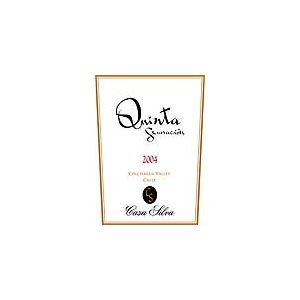
Casa Silva Quinta Generacíon 2004 – Chile

Casa Silva Quinta Generacíon 2004 – ChileCasa Silva is the most exciting winery in South America. From the top of its very long list of award winning wines to the very bottom, this outstanding winery continues to astound with the quality as well as the variety of the wines it produces. Unquestionably, this is one immaculate, well-run family affair that is not afraid to ratchet up the quality with each passing vintage. Undoubtedly, Casa Silva is among the growing number of elite, world class wine estates in South America. Located some two hundred kilometers south of Santiago, in the heart of Colchagua, an area many are now calling Chile's Napa Valley, Casa Silva has garnered more recognition and awards at international wine competitions than any other Chilean winery. Furthermore, Catad'Or Hyatt, Chile's most prestigious wine competition, has named Casa Silva "the Best Chilean Producer" three consecutive times. And that's not all, the International Wine & Spirit Competition recently named Casa Silva as "The best South American Producer." Kudos to the Silva family, father Mario and sons Mario Pablo, Gonzalo, and Francisco, and Mario Geise, the winery's outstanding consulting enologist, for taking this beautiful property to such lofty heights in just ten years' time.

Surprisingly, Casa Silva's inception dates back to only 1997, the year this property began bottling premium wines under its own name. However, historical accounts tell us that the Silva family's predecessors were pioneers in Colchagua more than a century ago, when they brought the first grape varieties from France to their Angostura estate at the base of the towering Andes. Today, the Silvas remain pioneers: they are Colchagua's foremost experts on Carmenère, Chile's emblematic red grape variety, and they produce the finest Sauvignon Gris and Viognier in South America. Moreover, this great property is at the vanguard of South America's success with many other grape varieties, including Sauvignon Blanc, Semillon, and Cabernet Sauvignon. Casa Silva contains many old vines, some approaching 100 years of age, which help account for the quality and intensity of their wines.

The Casa Silva estate is located at the northern edge of the Colchagua Valley at the foot of the Cordilleran Andes. This is a magical place that is steeped in sheer physical beauty as well as Chilean tradition. Colchagua's natural climatic conditions and terroir make it an extraordinary place to produce wine, which in no small way accounts for the great number of award winning wineries now in Colchagua. This pioneering Chilean valley actively promotes its appellation and was the first to establish a bona fide wine route for visitors. Today, it is Chile's most important wine region, and nearly all of its grapes are premium varietals. Is there any longer a doubt as to why the wines of Colchagua are the most highly acclaimed in South America?

As pioneers in viticulture, the Silvas, along with their masterful winemaker Mario Geise, have established several outstanding vineyard estates in Colchagua, each specializing in the production of one or more varietals that are especially suited to that estate's terroir. From these individual estates, several single vineyard offerings are produced along with an outstanding luxury grand vin called Quinta Generacíon. Quinta Generacíon reflects the best that Casa Silva produces, and that is saying a lot. Quinta Generacíon is a special wine that is made to commemorate the experience of five wine making generations within the Silva family. It hails from the family's prized single vineyard estates. From the Los Lingues vineyard come very flavorful and sophisticated Cabernet Sauvignon, the finest barrels of Petit Verdot, and the estate's classic Carmenère. Meanwhile, the Lolol vineyard furnishes big, chewy Syrah. Together, these varietals combine majesty with power for which winemaker Mario Geise deserves high praise. In Quinta Generacíon Geise has created a stunning Meritage style wine that ranks among the elite.

Tasting Notes: Mario Geise enjoys an international reputation as the "King of Carmenère," but he is equally adept with Cabernet Sauvignon and other French varietals, which he demonstrates unequivocally in the 2004 Quinta Generacíon, a blend of 40% Cabernet Sauvignon, 40% Carmenère, 15 % Syrah, and 5% Petit Verdot. The 2004 Quinta Generacíon from Casa Silva is simply knockout stuff. From the wine's deep purple robe to its long, illustrious finish, the 2004 Quinta Generacíon is testimony to just how stunning the wines of Colchagua can be in the hands of a master winemaker. This special offering from Casa Silva is barely three years old, yet already it possesses Bordeaux like finesse and tremendous depth of flavor. Presently, blueberry, cassis, dark chocolate, and oriental spice form a seductive olfactory attack, which intensifies on the palate and finishes in a crescendo of flavor as it rides a wave of ripe, soft tannin. At the moment, the wine's majestic Carmenère component, with its forward fruit and herbal, woodsy tones are most in evidence, but given another year or two in bottle, the very forward, spicy component in this wine from Carmenère will recede slightly as it integrates into the suave, mouth filling flavors of Quinta Generacíon's Cabernet Sauvignon, Syrah, and Petit Verdot. Furthermore, the essences of blackberry, blueberry, cedar, and roasted coffee will come to fore and reveal a whole new dimension to this special wine. Perhaps, what is most impressive about the 2004 Quinta Generacíon is that one can unequivocally sit and enjoy it now, in all its youthful ardor, or one can wait a year or two or more and partake of a legend. Although already layered, textured, and immediately appealing, the 2004 Quinta Generacíon will only continue to improve in bottle. Enjoy this expressive luxury offering from Casa Silva at cool room temperature (60°-66° F), after at least thirty minutes of aeration. Anticipated maturity: 2008-2012.

Accompaniments: The deeply colored, richly endowed 2004 Casa Silva Quinta Generacíon offers almost any meat or cheese dish the opportunity to shine in its company. However, winemaker Mario Geise has a penchant for fashioning full-flavored wines at Casa Silva that not only pair well with a host of foods but also offer tremendous drinking pleasure on their own, even when young. Not surprisingly, this is again the case with the 2004 Quinta Generacíon. Unadorned, one has the full effect of all the rich flavor and subtle nuances of scent and savor that Quinta Generacíon has to offer. Nonetheless, wine is food, and well-chosen companions will not only complement and enhance a meal, they will allow a wine like the 2004 Quinta Generacíon to reach its ultimate potential. With this in mind, we suggest pairing the 2004 Casa Silva Quinta Generacíon with such classics as Beef Wellington, Duck à l'Orange, or Grilled Loin Lamb Chops. In other words, treat this wine like classified Bordeaux or the finest California Meritage. However, what may come as a surprise to some is that Quinta Generacíon will also shine when paired with tapas and other Mediterranean favorites such as Pork Shoulder with lentils or Valencia Style Paella, with saffron rice, mussels, shrimp, chicken, and chorizo sausage. And that is just for starters. Contemporary cuisine favors full robust flavors, for which Quinta Generacíon is well suited, so no need to fear experimentation. After all, five generations of pioneering Silvas can't be wrong. Enjoy!

Bodega Huguet Can Feixes Penedès Chardonnay 2004 – Spain

The historic Can Feixes (pronounced can fay shess) estate is situated on gravelly slopes in a high mountain amphitheater, astride the famous Montserrat pinnacle in northern Penedès. This is the Penedès vineyard farthest from the Mediterranean, which means the climate at this estate is continental and drier that of the surrounding vineyards. The high altitude and austere mountain terrain of this rugged area of Catalonia constitute the tiny viticultural home of the native Parellada varietal, which locally is known as Montonec ("grape of the mountain"). This estate is also the home of some of the finest, most intense Chardonnay, Merlot, Cabernet, and Tempranillo (locally referred to as Ull de Llebre) in all of Catalonia, thanks to the vineyard's premier location and unique terroir.

The Can Feixes estate dates back to 1400 with the arrival of Jaumes Feixes in the upper reaches of the Penedès. In addition, accurate historical records indicate that wine has been produced continuously at Can Feixes since at least 1690. Whether under the auspices of the Feixes family or the Huguets, the present owners since the end of the 19th century, Can Feixes has always been considered the region's Grand Cru.

Today, the vineyards at Can Feixes comprise nearly 300 acres planted primarily to Parellada, an indigenous white varietal, and small amounts of Macabeo and Chardonnay for producing first rate white wines. Tempranillo, Merlot, and Cabernet are responsible for the red wines. A small quantity of a special Gran Reserva Cava is also produced from traditional varietals. The estate's Chardonnay is considered by critics and popular acclaim to be one of the finest produced in all Spain. The Huguet brothers, Joan and Josep Maria handle all viticulture and enology respectively at their estate.

Tasting Notes: The 2004 Can Feixes Chardonnay is a serious candidate for the finest still white wine of Penedès. However, patience is required on the part of the taster to fully appreciate just how great the 2004 Can Feixes Chardonnay is and will be, given additional time in the bottle. However, even in its youth there can be little doubt as to the overall quality of this classy, age worthy Chardonnay that drinks well already, straight out of the bottle and without any time to breathe. In fact, the 2004 Can Feixes Chardonnay could easily be mistaken for a Chablis Grand Cru – the pinnacle of perfection from one of France's greatest white wine appellations. In all respects this Can Feixes offering constitutes noble Chardonnay: it is fine, deep, mineral laden and supremely reflective of its variety as well as its glorious mountain terroir. It offers in its aroma a wonderfully pure dollop of buttered apple and pear, which speaks of the deeply haunting essence of Chardonnay from these gravelly slopes. On the palate, the wine's pretty fruit wraps elegantly around a core of minerals and subtle spice and toasted oak, which add length and breadth to the wine's finish and mid palate. It always amazes us how some winemakers can use oak to enhance a Chardonnay, while others feel compelled to obliterate the same varietal by subscribing to the philosophy of more is always better. Happily, the brothers Huguet, Joan and Josep Maria, weigh in on the former side of the oak quotient and exercise prudence with the barrel. For optimal enjoyment, we suggest you give this complex, superbly made Chardonnay a moderate chill (40° F). Then allow it to breathe for ten or fifteen minutes in the glass before consumption, as if it were a red wine. Better still, lay this grand cru style Chardonnay down for another six months or a year and watch the wine simply explode in the glass with flavor. Anticipated maturity: 2008-2010.

Accompaniments: The 2004 Can Feixes Chardonnay is a wine that has been crafted in the tradition of the finest white wines of Burgundy. Consequently, it is a match for many of the same full-flavored seafood and poultry dishes that shine in the presence of the finest Chablis and Chassagne-Montrachet. Yet, this barrel-fermented beauty can also complement weightier fare as it possesses the fruit as well as the backbone of some of the best New World Chardonnays. So, Atlantic salmon, stuffed with a flavorful Crabmeat Imperial; Grilled swordfish with fresh white morels in a basil lemon butter sauce; grilled grouper, served with a shitake smoked salmon duxelles or hollandaise sauce; and almond crusted chicken breasts, stuffed with prosciutto and topped with a melon salsa constitute just a few specialties to consider with the 2004 Can Feixes Chardonnay. Shrimp and Grits, a Charleston classic, offers another terrific pairing. And another interesting variation in the same vein is Shrimp and Grits tarts, which combine three foods for which Chardonnay has a real affinity: seafood, cheese, and ham. Lastly, almost any dish that contains Havarti cheese seems to shine with the wines from Can Feixes, so enjoy!

Cape Mentelle Margaret River Cabernet Sauvignon 2001 – Australia

Cape Mentelle's founding dates to 1970, which makes it one of the very first vineyards in Western Australia's now legendary Margaret River. This beautiful winery is situated between the town of Margaret River and the Cape from which the vineyard draws its name. The name Mentelle is in honor of two French brothers, Edmunde and Francois- Simon Mentelle, who in the 18th century were well-known geographers and cartographers: just one breathtaking look at this coast tells why they were honored to impart their name to such a far off place. To augment its natural charm and superb terroir, the Cape Mentelle vineyards are surrounded by landscaped native gardens that play host to an abundance of local birdlife. In short, Cape Mentelle is not only one of Western Australia's most prestigious wine addresses, it is also one of the most beautiful places on earth.

The Cape Mentelle vineyards and winery were originally established by David and Mark Hohnen. Nearly four decades later, Cape Mentelle is a four hundred acre enterprise that is devoted to producing an outstanding array of Margaret River wines, including Chardonnay, Sauvignon Blanc, Semillon, Shiraz, Cabernet Sauvignon, and most recently Zinfandel. In addition, it serves as a sister company to New Zealand's Cloudy Bay as both estates are now owned by Veuve Clicqout, the great French Champagne house.

Tasting Notes: The Cape Mentelle Margaret River Cabernet Sauvignon is the progeny of the estate's oldest vineyard and the flagship wine from this outstanding producer. Furthermore, the 2001 Cape Mentelle Cabernet Sauvignon is simply one of Australia's most balanced and complex renditions of the world's most sought after red varietal. While balance has always been a hallmark of the wines of this splendid Margaret River winery, Cape Mentelle makes full-bodied wines that sacrifice neither flavor nor finesse. The 2001 wine weighs in at 15% alcohol; yet there is no suggestion of heat or heaviness anywhere in the wine. In fact, this Cabernet is quite accessible from the start and never fails to deliver oodles of flavor in a supremely balanced format. The 2001 Cape Mentelle opens up with a classic Cabernet aroma of cassis, chocolate, espresso, and menthol eucalyptus. One taster even remarked that "this wine's bouquet alone is worth the price of admission" to which we all nodded our heads. And as one expects from a top quality Cabernet, a complex array of fruit flavors follow. Pleasing in its intensity as well as its texture and complexity, hints of blackberry, currant, and freshly ground coffee greet the palate and enliven the day. Meanwhile, a good underpinning of ripe tannin carries this wine's cornucopia of flavors to a resounding crescendo. And, perhaps, the best news of all is that the 2001 Cape Mentelle Cabernet is just beginning to approach its apogee, which promises even more excitement in the years to come. Serve this wine at cool room temperature (62°-66° F) and allow it at least a few minutes of aeration before consuming. Anticipated Maturity: 2007-2015.

Accompaniments: The wines of Cape Mentelle have an affinity for simple, full-flavored foods, which inevitably implores us to uncover the grill. After all, grilling is an Australian tradition, so this should come as no surprise. Moreover, the 2001 Cape Mentelle Cabernet Sauvignon possesses a variety of attributes that desire to accompany your favorite meat or vegetable dish to perfection. Beef, lamb, pork, and chicken on the barbecue all provide excellent opportunities to showcase Cape Mentelle's finest wine. And while you are at it, don't forget to put on some fresh vegetables, dabbed with a balsamic vinegar marinade, to complement the rich berry and roasted coffee bean tones in the wine. The sweetness imparted to the vegetables by the grill tends to further concentrate this wine's tasty components and provide for even greater enjoyment. For those able or willing to take their culinary arts up a notch, we suggest pairing the complex 2001 Cape Mentelle Cabernet Sauvignon with beef tenderloin, served with a creamy demi-glace and a lightly fried blue cheese potato cake or an almond crusted chicken breast, stuffed with prosciutto and a rich fruit salsa and served over wild rice. Enjoy!


logo for wine club
Since 1994
Home
Join Our Wine Club
Gift Memberships

Membership Renewals
Reorder Your Favorites
Wine of the Month Club
More Information
Current Selections
Past Selections
Testimonials
Other Gourmet Gifts
Corporate Gifts
Wedding Gift Ideas
All About Wine
Website Tools
Who We Are
Contact Us

1 - 800 - 625 - 8238
(Outside US call: 949-206-1904)
P.O. Box 1627, Lake Forest, CA 92609