Welcome to The International wine of the Month Club

Featured Wines

May 2008

Premier Series
Featured Wineries & Wines
Membership Type
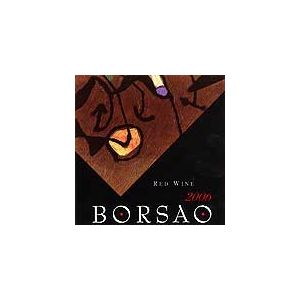
Bodegas Borsao Campo de Borja Borsao 1 Red 1 White; 2 Reds
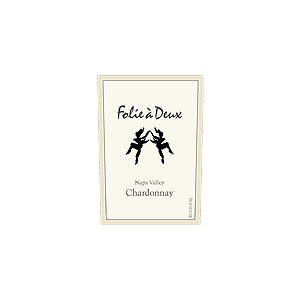
Folie à Deux Napa Valley Chardonnay 1 Red 1 White; 2 Whites
Domaine des Baumard Logis de la Giraudière Anjou Rouge 2 Reds
Ca dei Frati I Frati Lugana 2 Whites


Master Series
Featured Wineries & Wines
Membership Type
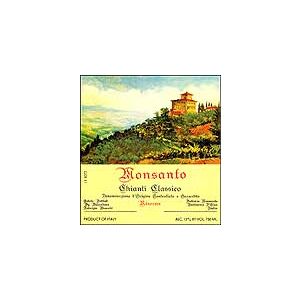
Castello di Monsanto Chianti Classico Riserva 1 Red 1 White; 2 Reds
Folie à Deux Napa Valley Chardonnay 1 Red 1 White
Bodegas Borsao Campo de Borja Borsao 2 Reds


Collector Series
Featured Wineries & Wines
Membership Type
Castello di Monsanto Chianti Classico Riserva 1 Red 1 White; 2 Reds
Au Bon Climat Nuits-Blanches au Bouge Chardonnay 1 Red 1 White
Vincent Girardin Santenay Premier Cru La Comme 2 Reds

Bodegas Borsao Campo de Borja Borsao 2006 – Spain

Bodegas Borsao Campo de Borja Borsao 2006 – SpainBodegas Borsao is located in the town of Borja, which is set amid the undulating hills of Zaragoza in sight of Mt. Moncayo, the highest mountain in the Iberian Range. Borja is an ancient town whose origins can be traced back to the 4th century B.C., and beyond. The original name of the town was Bursao, from which the name of the bodega is loosely derived. Founded in 1958, Bodegas Borsao is a meticulously run winery that sits astride the lower part of the Ebro River, just south of the Rioja and the southern tip of Navarra. This is Garnacha country, home to one of Spain's most important but undervalued red varietals. Such is the importance of the local Garnacha grape in Campo de Borja that this viticultural enclave is known as "The Garnacha Land of Spain."

Not surprisingly, Bodegas Borsao specializes in the production of Garnacha, the region's most important varietal. Nearly three quarters of the grape production in Campo de Borja is devoted to Garnacha or Grenache, as the grape is known to the rest of the world. From vineyards located high in the hills of Moncayo (1,200 – 3,000 feet above sea level), Bodegas Borsao fashions a host of Grenache-based wines. The winery's entry level red, Viña Borgia, is comprised of 100% Garnacha, while the bodega's special selections labeled simply as Borsao (this month's feature) are blends of Garnacha and other grape varieties, most notably the ubiquitous Tempranillo. As one would expect, red wine is king at Bodegas Borsao, but this well-run modern winery also fashions small quantities of very good white and rosé wines in addition to its extensive portfolio of excellent Grenache-based reds.

Tasting Notes: A brilliant, ruby red with purple highlights the 2006 Bodegas Borsao Campo de Borja paints a picture of pleasure, as straight away it offers the taster an indication of just how pretty and satisfying this lovely blend of Grenache (80%) and Tempranillo (20%) will be. An enticing nose of cherry and strawberry fruit is the next cue. However, what confirms one's highest hopes and dreams and ultimately seals the deal is the abundance of juicy round fruit that the 2006 Borsao unleashes on the palate to caress the tongue and enliven the senses. Wow! In short, the 2006 Bodegas Borsao is a beautiful, balanced wine that reminds us of the finest red Côtes-du-Rhône from the south of France, but to Borsao's credit it outperforms most of the Côtes-du-Rhône offerings we have tasted recently. Simply put, Bodegas Borsao's 2006 Campo de Borja is the kind of fresh, juicy, easy drinking red wine that consumers should be buying by the case load, or better still the trunk load. No wonder it is on every critic's Top 100 List. Although good right out of the gate, we suggest for optimum enjoyment that you allow the 2006 Campo de Borja Borsao 15-20 minutes to breathe prior to serving at cool room temperature (no more than 66° F). Enjoy!

Accompaniments: The 2006 Bodegas Borsao Campo de Borja Borsao is no fussy customer. This juicy vibrant red is wonderful with everyday fare, including chicken, hamburgers, pasta, and pizza. It also provides a total makeover for Mom's mid-week meatloaf. Traditional Italian dishes and trattoria favorites such as Chicken or Veal Marsala and Eggplant Parmigiana work well, too. Other notable accompaniments to this tasty Spanish red include brick oven baked calzones, stuffed with three kinds of cheeses; and a whole Rotisserie Roasted Chicken, stuffed with onion, garlic, and Mediterranean herbs. The 2006 Borsao is also an outstanding accompaniment to cow and sheep's milk cheeses as well as to Chèvre (goat cheese). And there is no law that states that this Campo de Borja must be served with food. The 2006 Borsao goes down so effortlessly one could easily forget to prepare anything to accompany it; moreover, neither you nor the wine would be any the worse for it.

Folie à Deux Napa Valley Chardonnay 2006 – U.S.A.

Folie à Deux Napa Valley Chardonnay 2006 – U.S.A.Folie à Deux is a boutique Napa Valley estate that is dedicated to producing excellent Napa Valley Chardonnay, Cabernet Sauvignon, and Zinfandel. This historic property lies just north of St. Helena in the heart of Napa Valley. Folie à Deux's vineyards and century old farmhouse lie sandwiched between Spring Mountain and Howell Mountain, at the narrowest part of Napa Valley. The estate's location provides a unique microclimate and a special terroir, which permit cool air to roll slowly down Mount St. Helena and cool the estate vineyard during the long summer days of torrid heat. At Folie à Deux, unlike many other Napa locales, the cool air sifts its way through the vineyard the way sand passes through an hourglass. The result is great physiological ripeness in the vineyard, without a loss of aromatic or flavor profile.

Since 2004 Folie à Deux has been owned by Bob Trinchero, the proprietor of several renowned California wineries. However, the tale of Folie à Deux is both intriguing and unique, as the winery's name suggests. Folie à Deux was founded as a bonded winery in 1981 by two psychiatric professionals. When the couple told their friends that they planned to fulfill a mutual dream by starting a winery, the friends jokingly suggested that the couple was exhibiting the classic symptoms of Folie à Deux, a psychiatric term that is defined as the sharing of fantasies by two close friends. The name stuck. To build on the theme, a local Napa Valley artist, Susan Ortega, created a drawing of twin dancers based on a Rorschach inkblot. Her inspiration for the label was the fantasy that she and her sister shared of one day becoming professional ballerinas.

However, there is more to this amusing story, which leads one to wonder if our subconscious minds do not comprehend more than we think and indeed play a greater role in events than we imagine. During the 1930's Folie à Deux's farmhouse and surrounding property were owned by Spanish prizefighter Luis Santa Maria, who had retired with his family to St. Helena to tend sheep and make wine. The Santa Maria family lived in the farmhouse that now serves as the winery's offices and tasting room and they used the same old stone shed to store wine that Folie à Deux now utilizes for storing wine. Curiously, Bob Trinchero, the present owner, and Santa Maria's daughter sang together in the school choir in high school. One could presume that the young Trinchero's subconscious was somehow at work here. However, what is even more serendipitous is the connection between Trinchero and Scott Harvey, Folie à Deux's long time winemaker, who for years Bob used to kid by telling him he was "watching," and perhaps he was. Bob's home looks down on the Folie à Deux property, which he so wisely purchased in 2004. Apparently, he liked what he saw and tasted, and so did we.

Whether life's coincidences and connections are the result of random chance, a great master plan, or the result of our subconscious fantasies is open to debate. However, what is not in question is the quality of the wine produced by Folie à Deux. Folie à Deux fashions distinctive wines at several price levels.

Tasting Notes: A classic, full throttle Napa Valley Chardonnay, the 2006 Folie à Deux offers up a beautiful, sunshiny robe, an amplifying nose, and a cornucopia of flavors. Red apple and pear fruit, butter, coconut, toasted oak, vanilla, and spice all come together in the aromatic profile of this delicious, easy to drink Napa Valley Chardonnay. Although imbued with plenty of fruit as well as an ample patina of French oak, the Folie à Deux Chardonnay never goes over the top or wears on the palate. It retains balance and freshness along with a wealth of flavor that few other California Chardonnays can claim. For maximum enjoyment, we suggest only moderate chilling (40°-45° F) of this beautifully wrought Napa Valley Chardonnay and just a few minutes of aeration before consuming. Enjoy!

Accompaniments: The 2006 Folie à Deux Chardonnay is a wine made with good old-fashioned drinking in mind. Yet classic Chardonnay is always at its best with food, and so it is with the 2006 Folie à Deux. Try this flavorful Chardonnay with Steamed Crabs, along with plenty of drawn butter. Crab Imperial, Lobster Bisque, and almost any rich seafood dish that relies upon butter or cream in its sauce will complement this wine and provide ample reason to pour a second or third glass. Prosciutto Wrapped Alaskan Halibut, served with a roasted red pepper relish, offers another, even more intense treat with the Folie à Deux Napa Valley Chardonnay. For landlubbers, we suggest poultry, pork, or ham as amiable companions. Chicken Cordon Bleu and Chicken Fricassee provide especially fine choices with this wine. In addition, a glass of the 2006 Folie à Deux Napa Valley Chardonnay and a selection of soft goat cheeses or uncrusted cow's milk cheeses such as Cheddar, Caerphilly, or Gruyère offer alternatives to fish or meat, or they can afford yet another mouthwatering way to finish a bottle of Folie à Deux's 2006 Napa Valley Chardonnay.

Domaine des Baumard Logis de la Giraudière Anjou Rouge 2005 – France

Domaine des Baumard lies tucked away in the tiny village of Rochefort-sur-Loire, just south of Savennières, in the very heart of the ancient Duchy of Anjou. This property is an impeccably run estate that has been fashioning outstanding Loire Valley wines since 1634. The historical Baumards are viticulturists who specialize in the great but now nearly forgotten Chenin Blanc variety and in Cabernet Franc, the Loire Valley's premier red grape variety. Under the recent guardianship of Jean and Florent Baumard, Domaine des Baumard has soared to new heights, even as many of Baumard's neighbors have struggled to maintain their marginal vineyards.

Although Domaine des Baumard has played a key role in producing great Loire Valley wines for centuries, much of the modern day lore can be attributed to Jean Baumard, Florent's father, who resurrected this family property in the 1950s and 1960s after decades of decline due to phyloxerra, economic depression, and the ever shifting tastes of the wine drinking public. For decades, the Baumards, like many of their neighbors, were forced to concentrate their efforts on their nursery business and the cultivation of vines rather than wine making. That is, until the 1950s, when Jean began acquiring several of the greatest vineyards in Côteaux-du-Layon and Quarts de Chaume and refocused the family's effort into the crafting of the greatest of all Loire Valley wines.

Presently, Domaine des Baumard has one of the most extensive portfolios of Anjou wines, including outstanding dry Savennières offerings, sweet treasures from Côteaux-du-Layon and Quarts de Chaume, a beautiful, highly perfumed Cabernet Franc, and at least three of the Loire Valleys most enjoyable sparkling wines. There are also a number of single vineyard offerings. All of Baumard's wines are hand harvested, and each of the estate's wines is made in small, individual lots.

Tasting Notes: A pretty cherry robe and a heavenly scent are the first introductions one has to Domaine des Baumard's striking 2005 Anjou Rouge Logis de la Giraudière. Scents of black cherry, cassis, freshly plowed earth, plum, and violet haunt the nose. On the palate the Cabernet Franc based 2005 Logis de la Giraudière comes across as both highly flavorful and supremely smooth, forward, and charming – the antithesis of its harder kin, Cabernet Sauvignon. Born in a ripe, nearly ideal vintage in Anjou for Cabernet Franc, Baumard's Logis de la Giraudière harbors the deep down flavors of black cherry, plum, and spice, but with nary an edge. Even in its youth, with good ripe tannins, the 2005 Logis de la Giraudière comes across as completely harmonious, suave, and sophisticated. We prefer this friendly red wine at cool room temperature (66° F), but others may care to give it a slight chill (55° -60° F), especially in warmer locales.

Accompaniments: Neither big nor brawny, the allure of the 2005 Domaine des Baumard Logis de la Giraudière lies not in its size, though it is amply endowed, but in its charming, openly approachable, juicy, food friendly persona. Consequently, there is not too much in the way of food that one couldn't serve with Baumard's amiable Anjou Rouge. Nevertheless, our preference is to serve the 2005 Logis de la Giraudière with lighter meats and less heady dishes than one might consider with Cabernet Sauvignon, if for no other reason than to highlight the sophistication and subtlety of this artfully crafted Cabernet Franc. So, bring on the chicken and the duck, or even the salads and the salmon. Chicken Breasts simmered in a light, tarragon studded cream sauce; Chicken Chasseur, a French country dish, with tomatoes, mushrooms, tarragon, thyme and more; and even Coq Au Vin offer excellent companionship to this wine. In addition, Duck with Wine and Green Grapes, Stuffed Breast of Veal, Osso Buco, and semi soft cheeses such as Beaumont, Reblochon, Muenster, and Monterey Jack provide equally enjoyable choices to accompany Florent Baumard's delicious Logis de la Giraudière. Salut!

Ca dei Frati I Frati Lugana 2006 – Italy

For four generations the Dal Cero family has grown premium grapes and fashioned wines of legendary status from their modest 44-acre estate in northern Italy that lies nestled in the stunningly beautiful hills above Lake Garda. From these sunny shores, Igino, Franco, and Ana Maria Dal Cero run this impeccable azienda agricola. They combine the joys of tradition with the benefits of modern viticulture. Recently, the family has modernized the old cellar and introduced new equipment. They have also developed a new trellis system for their grapes, which has further improved the estate's impeccably tended vineyards. Unfortunately, Ca dei Frati's wines are available only in strictly limited quantities, but the Dal Cero family has consented to selling a small portion of their outstanding Lugana outside of Italy, which allows us to offer a limited number of our club members one of the wine world's most unique and venerable white wines.

And like most Lugana producers who work along the precipitous shores of Lake Garda, Ca dei Frati makes a small amount of charming red wine and a tiny bit of Chardonnay and Sauvignon Blanc, too, to complement its more famous offerings of Lugana. Nevertheless, it is the estate's legendary Lugana I Frati, made from low yields of the Lugana grape (the local name for the region's particular clone of Trebbiano), that has bestowed nearly cult status upon this otherwise modest family run winery.

In addition to Ca dei Frati's hallmark Lugana I Frati, the Dal Ceros fashion another outstanding but less traditional Lugana: Brolettino. Unlike the I Frati, the cru Brolettino is aged in small 225 liter oak barrels, which gives it an international style and an almost Burgundian character. It is fully mature upon release, but it will retain its rich intense flavor for many years. Not surprisingly, it, too, is produced in very small quantities.

Tasting Notes: It appears that the Dal Ceros have once again outdone themselves as the 2006 Ca dei Frati I Frati Lugana is the finest I Frati Lugana we have ever tasted: it even eclipses the other worldly 2004 I Frati. It is no mean feat to best oneself, especially when one considers the overall quality and consistency we have come to expect from this estate. Certainly, the outstanding 2006 vintage lent its support to this year's effort, but we attribute equally the success of the 2006 I Frati Lugana to the Dal Ceros' penchant for pushing the envelope on quality; this is the rare winery that believes that "the best can always get better." And they have demonstrated just that in the 2006 Ca dei Frati I Frati Lugana. This is a wine that brings all of the beautiful characteristics of Lugana to the fore: breed, elegance, flavor, and a tremendous visual appeal. The 2006 I Frati sports the hallmark hue of Lugana, a pale yellow robe that glows like the luminescent aura of the rising sun. In the nose the I Frati's aromatic profile is redolent with the fresh heady scents of spring, a mélange of flower blossoms, and the first fruits of an awakening land. In the mouth, this satin textured wine caresses the senses and coats the palate with the pure rarified fruit of Lugana, and then explodes with an infusion of mineral and subtle earth. Concentrated and long on the finish, the enthralling 2006 I Frati finishes with true tenderness and panache. We suggest serving this outstanding Lugana around 40° F and as often as you can, if you can find it.

Accompaniments: The 2006 Ca dei Frati I Frati Lugana is joy in a glass and a feast for the senses. Moreover, it conjures the romance of the terraced, flower-bedecked balconies and stately villas above Lake Garda, not to mention the charm and allure of nearby Verona – the city that provided the world the lore of love in the guise of Romeo and Juliet. Considering this Lugana's many attributes, we have always felt that food accompaniments with the I Frati are strictly optional. Nonetheless, the 2006 Ca dei Frati I Frati complements a variety of light fare, especially fish and the fruits of the sea. Freshwater fish, including perch and trout, provide excellent choices. From the sea, flounder, fluke, grouper, halibut, and sea bass provide superlative companions, too, to complement one of the world's most charismatic white wines. Canapés, light hors d'oeuvres, stuffed mushroom caps, grilled vegetables, salads, and cheeses offer other outstanding choices. Although full-flavored and ready to stand up to more robust cooking, the glory of this I Frati Lugana remains, in our opinion, its subtle, complex flavors and haunting charm, which shine most evidently in the company of simple, uncomplicated fare. Buon Appetito!

Castello di Monsanto Chianti Classico Riserva DOCG 2004 – Italy

Castello di Monsanto Chianti Classico Riserva DOCG 2004 – ItalyFabrizio Bianchi is one of Chianti Classico's greatest innovators and artists. A successful textile manufacturer from Milan, Bianchi purchased Monsanto in 1961 and ever since has been a pioneer in Chianti. He acquired Monsanto with "a consciousness that he was walking on a treasure, not of gold, but mere land." What Fabrizio has done with that land is turn it into liquid gold in the form of the finest Chianti Classico and simultaneously transform one of the oldest and most respected wine regions on earth through a series of bold innovations.

Monsanto is a large estate by Tuscan standards (206 hectares or a little more than 453 acres), but only a fraction of the total (72 hectares) is actually under vine. Fabrizio and his family have opted to preserve the natural forests of oak, myrtle, and wild berries that surround the estate, thereby protecting the natural pollinators and indigenous yeasts that abound at Monsanto. And from the very beginning, Fabrizio set out upon refurbishing the estate's vineyards and protecting the special terroir that exists at Monsanto. Consequently, all of the Monsanto's grapes are hand harvested and only the property's natural yeast is employed in fermentation.

With the help of an old cellar foreman, Fabrizio Bianchi fashioned the first Chianti Classico cru in 1962. In 1968, Bianchi took an even bolder step. He eliminated the white grapes from the Chianti Classico cepage or blend in favor of the exclusive use of Chianti's traditional red varieties: Sangiovese, Canaiolo, and Colorino. He also lobbied for permission to use temperature-controlled stainless steel for fermentation, another innovation that is now commonplace in Tuscany but was unheard of three decades ago. The move to temperature-controlled fermentation led Fabrizio Bianchi to take one more pioneering step: the elimination of the governo alla Toscana, an ancient practice whereby whole dried grapes are added to the already fermented Chianti. The result has been cleaner, richer, longer lasting wines that gain both grace and complexity with age. Nearly all Chianti producers have followed Bianchi's lead.

In addition to changing the face of contemporary Chianti Classico, Monsanto has been at the vanguard of Tuscany's renewed interest in traditional French varietals such as Chardonnay and Cabernet Sauvignon, which the Bianchis also fashion into award-winning wines. Furthermore, Monsanto produces a small quantity of a single cru 100% Sangiovese that is labeled Sangioveto Grosso from their Scanni vineyard and a bit of Vin Santo from Malvasia and Trebbiano.

However, what may be the most important part of the landscape at Monsanto is what lies under the ground. The estate's soil is a mixture of the two most important soil types in Chianti: petrified clay stratified in layers and known in Tuscany as Galestri and sedimentary strata of marine sands called tufi. From the layers of rock that undergird the winery, the Bianchis have hewn an 820-foot tunnel to augment the estate's original 18th century cellar. The tunnel took six years to build and was constructed of all natural stones (layers of Galestri) using all medieval techniques and a traditional Etruscan arch. This formidable space houses 1,500 225-liter barrels and should not be missed by those fortunate enough to visit Castello di Monsanto.

Tasting Notes: The 2004 Monsanto Chianti Classico Riserva is just one more reason why some of Tuscany's most affordable treasures are now also some of Italy's most enjoyable wines. It appears that Chianti Classico has come upon yet another renaissance, thanks in part to Fabrizio Bianchi and his pioneering work at Monsanto. A blend of 90% Sangiovese, 5% Canaiolo, and 5% Colorino, the medium to full-bodied 2004 Monsanto Chianti Classico Riserva captures all the charm, elegance, and structure that one can expect from the finest Chianti Classico. Breed, grace, and plenty of dry, deep down flavor all shine from this offering. A warm scent of cherries, violets, tobacco, and spice tantalize the nose and set the stage for this sophisticated wine's ripe, rich flavors and firm, balanced structure. And already, this 2004 Riserva exhibits a generous, round mouth feel and plenty of ripe tannin, which will undoubtedly carry it for another decade or more. More succinctly, this Monsanto Chianti Classico Riserva reminds us of the Tuscan landscape: elegant, fecund, positively captivating, timeless, and always in good taste. When one looks across the Arno River from Florence and up into the hills surrounding the city or one gazes over the ramparts of rival Siena, a sophisticated, timeless landscape strikes the eye. Happily, Fabrizio Bianchi has captured every bit of that alluring countryside in his 2004 Monsanto Chianti Classico Riserva. Anticipated maturity: 2008- 2018. Saluté!

Accompaniments: A superbly crafted Chianti Classico the likes of the 2004 Monsanto Chianti Classico is one of the finest wines to bring to table. So, whether it is homemade focaccia dipped in freshly pressed Extra Virgin Tuscan Olive Oil, herbs, and Pecorino cheese; or Porterhouse Steak grilled to perfection with a brush of olive oil, garlic, mint, and rosemary, this stunning Riserva will surely add elegance and panache to any dinner party. Pheasant stuffed with braised vegetables, porcini mushrooms and a hint of truffle offers another outstanding choice with this wine. Lamb provides a perennial counterpart to great Chianti Classico, too, so why not pair the 2004 Monsanto Chianti Classico Riserva with Lamb Osso Bucco, roast leg of lamb, or herb encrusted lamb chops? However, one should never underestimate the Tuscan love for beans and lentils or the affinity these legumes have for Chianti Classico. In order to highlight the majesty of this exemplary Riserva one could start the evening with a simple Tuscan Ribollita, a traditional Tuscan soup based upon bread, beans, and assorted local fare, or a simple trio of starters that consist of white bean paste, red pepper hummus, and black olive and sun dried tomato tapenade, all served with freshly baked brick oven bread or focaccia. Buon Appetito!

Au Bon Climat XXV Anniversary Nuits-Blanches au Bouge Santa Maria Valley Estate Bottled Chardonnay 2005 – U.S.A.

Au Bon Climat or ABC as it is called by its many admirers enjoys an international reputation for its formidable work with French varietals, most notably Chardonnay, Pinot Noir, Pinot Gris, and Pinot Blanc. Under the expert care of Jim Clendenen, the "Mind Behind" Au Bon Climat, full throttle, classically wrought wines are the order of the day. No light fruit bombs or over oaked, late harvest style Chardonnays and Pinot Noirs to choose from here. At Au Bon Climat one can expect in each and every bottle only the fullest expression of several notable vineyards along California's glorious Central Coast. In addition, Au Bon Climat's wines age gracefully, and with time and patience they deliver Burgundian complexity. For this reason, ABC has been on Robert Parker's short list of Best Wineries in the World. It has also been selected by British wine critic Oz Clark as one of only fifty world-wide creators of Modern Classic Wines. To add to this prestigious property's long list of accolades, Jim Clendenen was named the Los Angeles Times "Winemaker of the Year" in 1992; Food & Wine Magazine "Winemaker of the Year" in 2001; and Wein Gourmet, Germany's leading wine and food magazine, "Winemaker of the Year" in 2004. In 2007 Jim garnered yet another tribute; he was inducted into the James Beard Foundation's "Who's Who of Food and Beverage in America."

Upon graduation with High Honors in Pre-Law from the University of California, Santa Barbara, in 1976, Jim Clendenen seemed destined for one of the nation's top law schools and a promising legal career. Instead, Jim headed for France where he had discovered on a junior year abroad that there was more to culinary arts than tacos. After a month in Burgundy and Champagne, he decided against law school in favor of a career in wine. By 1978, Jim was already Assistant Wine Maker at Zaca Mesa Winery. At Zaca Mesa, he helped create some of that winery's finest wines to date. In 1981, Jim worked three harvests on three continents: he actively participated in the crush in Australia, California, and France. The following year, he and his former partner Adam Tolmach began Au Bon Climat.

Today, Au Bon Climat is under Jim Clendenen's sole direction. Production has grown to over 30,000 cases, but each wine remains a handcrafted affair. Burgundian varietals predominate (Chardonnay and Pinot Noir), but Jim specializes in other French varietals, too. In recent years, he has experimented successfully with premium Italian grape varieties as well. The primary sources for Au Bon Climat's wines are the estate's own Le Bon Climat Vineyard and the internationally renowned Bien Nacido Vineyard, both in Santa Maria Valley. ABC'S Le Bon Climat Vineyard is organically farmed and has been certified organic since 2003. Au Bon Climat also draws grapes for its various offerings from the Sanford & Benedict Vineyard in the Santa Rita Hills, the Los Alamos Vineyard in Santa Barbara County, and the exceptional Talley Vineyard in nearby San Luis Obispo County.

Tasting Notes: The 2005 Au Bon Climat XXV Anniversary Nuits-Blanches au Bouge Chardonnay is one of the finest Chardonnays in Jim Clendenen's exceptional repertoire. A worthy successor to the estate's great XX Anniversary selection, this staggering statement marries perfectly ripe fruit to great acidity and structure. In between, one finds all kinds of tropical fruits, lightly sautéed hazelnuts in fresh creamery butter, and a long, long dry finish that highlights the wine's complex flavors with hints of shaved vanilla bean and oriental spice. Bold, beautiful, but not brazen, the 2005 Au Bon Climat XXV Anniversary Nuits-Blanches au Bouge offers the lucky beholder a classic, long lived Chardonnay as well the perfect synthesis of Clendenen's two most distinct Chardonnay offerings: Nuits-Blanches, a full, in your face style of Chardonnay; and Le Bouge , an elegantly crafted, discreet Chardonnay that is both complex and fulfilling. The classic XXV Anniversary Chardonnay drinks beautifully from the moment the cork exits the bottle. Nevertheless, we believe another year in the bottle will reveal even greater complexity and depth of flavor in this wine, so consider this statement as fair warning: You may want to have another bottle or two in the cellar to look forward to next year and the year after. Anticipated maturity: 2008-2010. For such classic Chardonnay, we suggest only moderate chilling (40°-50° F) and just a few minutes of aeration prior to consumption.

Accompaniments: Given the pedigree of the 2005 Au Bon Climat XXV Anniversary Nuits-Blanches au Bouge, it only stands to reason that artfully prepared cuisine or at the very least the handiwork of a simple but well-run kitchen accompany this masterful Chardonnay. After all, what could be finer than great wine in the company of a worthy peer – the best food one can afford to bring to table? Crab or lobster bisque makes for a wonderful opening act with Jim Clendenen's XXV Anniversary Nuits-Blanches au Bouge. Steamed or grilled lobster offers this Chardonnay another chance to shine. For the more adventuresome, we suggest Potato Encrusted Alaskan Halibut, served with a ragout of wild mushrooms, baby spinach, prosciutto, and mixed vegetables. Pan Sear Tilapia and Grilled Atlantic Salmon, served with fruit chutney, provide additional choices to accompany Au Bon Climat's flagship Chardonnay. Dill Seasoned Sea Scallops, with pan seared Arborio rice and a black truffle dressed arugula and snow pea salad, offer yet another special moment in time. And if seafood is not your first choice, may we suggest Pan Seared Duck Breast, served with German Potato Salad. Polenta Soufflé, with a mushroom cream sauce is another tasty treat that pairs nicely with the XXV Anniversary Nuits-Blanches au Bouge. Enjoy!

Vincent Girardin Santenay Premier Cru La Comme 2005 – France

Vincent Girardin is one of the scions of the great Girardin family of Santenay in southern Burgundy. Born in Santenay on the Côte de Beaune, Vincent is part of a winemaking family whose roots stretch back to the 17th century. He is in many ways the archetypal Burgundy grower and producer. That is to say, his domaine is a true family affair. Vincent tends the vineyards, works in the cellar, and makes the wines; while his wife of nine years Véronique complements him in running their formidable domaine. The Girardin family has for generations been well represented among the finest names in Burgundy. Vincent's father Jean was a renowned winemaker as is his brother Jacques. Vincent has been producing fine estate bottled offerings at his domaine since 1982.

Vincent began his winemaking career with only 2 hectares (4.4 acres) of vines. However, when his father Jean retired, Vincent took over several additional hectares from which he fashions exceptional red and white Burgundy. The white wines of Vincent Girardin display great finesse and a pure aromatic profile; they are impeccably balanced white wines that exude considerable richness as well as refreshing vibrancy. Correspondingly, Girardin fashions intense, profound red wines that balance ripe fruit with a tannic structure for ageing. This estate's wines all reflect considerable care and exceptional breeding, which render them capable over time of unmistakable grandeur.

Success in winemaking requires great rigor and attention to detail at all times for each individual wine. Therefore, at Domaine Vincent Girardin respect begins in the vineyard and surrounding lands. No herbicides or insecticides are used at the estate. The grapes are all hand harvested and then sorted twice, once in the vineyard and a second time in the winery. The sorting process eliminates any grapes or elements that would render an ensuing wine less than optimal. The pressing of grapes is a gentle affair at this estate, and the resulting wines are all aged in the finest oak barrels. A carefully controlled ageing process allows each wine to achieve its full potential. Vincent Girardin employs no fining or filtration of his red wines and only a very light fining and filtration of his whites in order to preserve the wines' natural qualities.

Tasting Notes: A product of an extraordinary vintage in Burgundy, the 2005 Vincent Girardin Santenay Premier Cru La Comme offers all the charm and vigor that southern Burgundy has to offer. The wine is deep ruby, almost purple, in color, which highlights Girardin's propensity for fashioning highly extracted red Burgundies – no wimpy wisps of Pinot Noir need apply here! On the nose, one can already grasp hints of the deep down burgeoning fruit that lies within, and on the palate spice, violets, and an incredibly smooth texture come together to tantalize the senses. Moreover, a nice touch of new oak adds to the wine's overall appeal. Indeed, there is little doubt that Girardin has hit the mark with this 2005 Premier Cru Santenay; it is a smooth, supremely balanced, and artfully crafted wine. However, we strongly suggest you wait to consume this Sleeping Beauty. With another year or two in bottle, this red Burgundy will display its full majesty. Anticipated maturity: 2009-2015. As with any fine Premier Cru red Burgundy, service at cool room temperature is the order of the day. Enjoy!

Accompaniments: Endowed with the richness of the 2005 vintage, the lusty, robust Girardin Premier Cru La Comme provides an outstanding foil to hearty fare. Traditional Burgundy favorites, such as Coq au Vin and Boeuf Bourguignon, offer the promise of gastronomic delight with this wine, but one need not be confined to traditional French country classics. The 2005 La Comme can make even pot roast and meatloaf as well as fine cuts of beef and veal shine. Chicken or turkey, dressed with a savory bread and sage stuffing, offers a gustatory delight with this Girardin beauty, too. Game birds, stuffed with a wild rice and mushroom farce provides another good choice. A simple veal stew, quiche, onion and leek tart, or even just a loaf of good French bread with a full cream, un-crusted cheese will fill the bill with an aged, mature bottle of this superb Santenay, so bon appétit!


logo for wine club
Since 1994
Home Page
Join Our Club
Gift Memberships

Membership Renewals
Reorder Your Favorites
More Information
Current Selections
Past Selections
Testimonials
Other Gourmet Gifts
Corporate Gifts
Wedding Gift Ideas
Wine of the Month Club
How It's Selected
Grape Types
Food Pairings
Upcoming Events
Industry Resources
Making Wine
Print a Gift Card
Refer a Friend
Send a Hint
E-Promos
Send a Virtual Wine
Who We Are
Contact Us
Link to Us

1 - 800 - 625 - 8238
(Outside US call: 949-206-1904)
P.O. Box 1627, Lake Forest, CA 92609