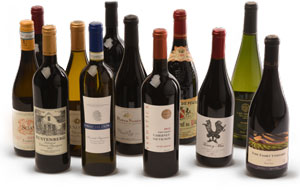
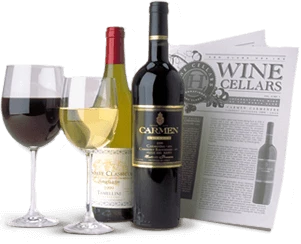
Welcome to The International wine of the Month Club

Past Newsletters - Nov 2008

Premier Series
Featured Wineries & Wines
Membership Type
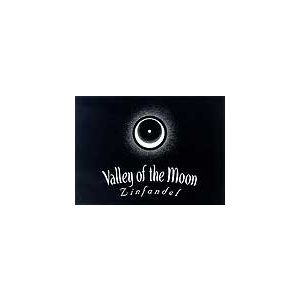
Valley of the Moon Sonoma County Zinfandel 1 Red 1 White; 2 Reds
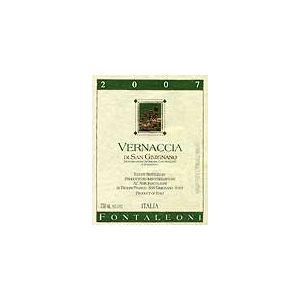
Fontaleoni Vernaccia di San Gimignano 1 Red 1 White; 2 Whites
Bodegas Agapito Rico Carchelo Jumilla 2 Reds
Domaine des Baumards Carte Turquoise Brut Crémant de Loire 2 Whites


Master Series
Featured Wineries & Wines
Membership Type
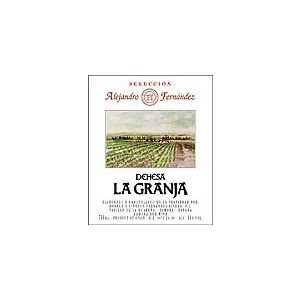
Dehesa La Granja Vadillo de la Guareña Zamora Selección 1 Red 1 White; 2 Reds
Fontaleoni Vernaccia di San Gimignano 1 Red 1 White
Valley of the Moon Sonoma County Zinfandel 2 Reds


Collector Series
Featured Wineries & Wines
Membership Type
Dehesa La Granja Vadillo de la Guareña Zamora Selección 1 Red 1 White; 2 Reds
B. Deville-Chevallier Brut Grand Cru Champagne 1 Red 1 White
Achaval-Ferrer Mendoza Malbec 2 Reds

Valley of the Moon Sonoma County Zinfandel 2005 – USA

Valley of the Moon Sonoma County Zinfandel 2005 – USAValley of the Moon is the most historic terroir in Sonoma County as well as one of California's viticultural icons. Haunted by history and romance, the Sonoma Valley was called "Valley of the Moon" by the Native Americans who inhabited the area because, as the moon ascended in the evening sky, it appeared to rise, again and again, over the peaks and glens of the Mayacamas mountain range. Thus, the moon in all its phases is the symbol for Valley of the Moon Winery and Vineyards, which is located in the very heart of Sonoma Valley. The etched design on the bottle of each Valley of the Moon wine depicts the lunar phases surrounded by a "cosmos" of white dots, thereby portraying the expression of moonlight as the reflected light of the sun.

The land on which the Valley of the Moon Winery and Vineyards is located has an illustrious past. Once, it was part of the vast 48,000-acre Agua Caliente Land Grant owned by the legendary statesman General MarianoVallejo, the 19th-century Mexican governor of California. After California became part of the United States, the property changed owners several times before 1863, when the "Stone Tract" portion of the property was conveyed to Mr. George Whitman. According to the best records, Mr. Whitman was the first owner to grow wine grapes on the land. He also built a winery there; and, by 1876, his enterprise was a hugely successful one, annually producing 50,000 gallons of wine and at least 2,000 gallons of brandy. Later in the 19th and early 20th centuries, a succession of owners would take possession of this illustrious property, including George Hearst, the father of the renowned newspaper magnate William Randolph Hearst.

Prohibition hit Sonoma County especially hard, and, like most California vineyards, the Valley of the Moon property languished during Prohibition and its aftermath. The entire viticultural region would have to await the Wine Renaissance of the 1960s and 70s for the first signs of redemption. For the Valley of the Moon estate, it was not until winemaker Mike Lee and Gary Heck, the present owner, took possession of this historic property that its restoration began. Under the guidance of Heck, Lee, and winemaker Pat Henderson, Valley of the Moon was finally restored to its former glory. Today, the Valley of the Moon Winery and Vineyards is distinguished by the marriage of its rich history to a new state-of-the-art wine production facility.

The creation of Valley of the Moon wines begins with hand selection. All of the fruit comes from the estate and a few select nearby vineyards that are chosen on the basis of their long histories of producing the absolute highest quality fruit. As vineyard management is simply the most important part of winemaking, these vineyards must also share the estate's "banana belt" microclimate, which allows the grapes to develop deep, rich flavors and colors. Warm Mediterranean-like days followed by cool Sonoma Valley evenings, characterized by the nightly fog banks that roll in from the Pacific Ocean and up into the Valley of the Moon, keep the estate's fruit at an optimum temperature.

Valley of the Moon produces traditional red and white varietals, bottling outstanding Zinfandel from a vineyard planted in the 1940's as well as excellent Syrah, Sangiovese, Barbera, and a Meritage offering called Cuvee de la Luna. In addition, Valley of the Moon fashions benchmark Pinot Blanc and Chardonnay. And at Valley of the Moon Winery, all estate-bottled wines are produced from organic grapes, and sulfite usage is minimal. No other preservatives are employed, resulting in healthy, natural-tasting wines.

Tasting Notes: The 2005 Valley of the Moon Sonoma County Zinfandel is a rich, full-bodied potion that hardly shows its 15% alcohol. In fact, it is one aromatic Zinfandel that offers a boat load of flavor. Moreover, it comes across as smooth and utterly charming on the palate, where it delivers a tasty concoction of berry, bramble, and oak – all of which appear blissfully sunk into the marrow of the wine. With aeration, and we do suggest you allow this youthful Zin some time in the glass or decanter to collect itself, the 2005 Valley of the Moon Zinfandel reveals subtlety to match its vigor and great wealth of flavor. We suggest serving this delightful Zin relatively cool (57°-65° F) in order to catch the wine's entire metamorphosis. Patience will highlight this wine's subtleties as well as its fruit and overt charm.

Accompaniments: Zinfandel is America's own wine. One of the aspects we like best about Zinfandel is how well it accompanies what Americans like to eat. Roast Turkey and all the trimmings, a simple burger off the grill, a perfectly cooked steak, or better still a host of classic Mediterranean delights straight out of the brick oven all offer excellent companionship to the 2005 Valley of the Moon Sonoma County Zinfandel. Southern Italian classics such as Baked Ziti, Eggplant or Zucchini Parmigiana, Lasagna, and Manicotti are just a few of our favorite dishes to pair with this wine. After all, Zinfandel, or more accurately its ancestor Primitivo, thrives in southern Italy, where it marries perfectly with the tomato-rich sauces of Italy's Mezzogiorno.In addition, Zinfandel complements a variety of Tex-Mex dishes better than any other red wine, so why not try the 2005 Valley of the Moon Zinfandel with burritos or fajitas? And if all you need is a solitary respite from life's drudgery, you can count on the Valley of the Moon Zinfandel to accommodate. So sit down, pour a glass, and relax!

Fontaleoni Vernaccia di San Gimignano 2007 – Italy

Fontaleoni Vernaccia di San Gimignano 2007 – ItalyWine, food, and the traditional life of Tuscany are alive and well at the Azienda Agricola Fontaleoni. Here the Troiani family makes some of Tuscany's finest wines, including the region's most illustrious white wine, Vernaccia di San Gimignano. Just a few kilometers from the storied, medieval towers of San Gimignano and the ancient town of Certaldo, the Troiani family has created a slice of heaven – a pastoral paradise that consists of 45 hectares (approximately 95 acres) of vines, olive trees, and a dreamland landscape.

From a hillside balcony that opens dramatically onto a panorama of hills, vines, and vast stretches of the magical, undulating land known as Chianti, the Fontaleoni estate vineyards slope gently down from Antico Desco, the family's traditional restaurant and bed and breakfast. The restaurant, located to one side of the stone house, brings to life the glory of this mystical land by combining the flavors of Tuscan cuisine with the sincerity, authenticity, and warmth of the family. And, of course, the food and the atmosphere are both served with the excellent wines of Fontaleoni, which flow from the vines that grow just outside the terrace of the restaurant and the inn's three beautifully appointed guest rooms. Here one can enjoy superb Tuscan food and wine in the tranquility of a fecund, starkly beautiful countryside, a land deftly sculptured by nature and the hand of man. To drink the cool, hauntingly beautiful Vernaccia di San Gimignano of Fontaleoni as the deep, haunting tones of light begin to spread across the nearby trees and vines recalls Michelangelo's moving scenes of creation on the ceiling of the Sistine Chapel. As Vernaccia di San Gimignano was a favorite of the De Medici family (Michelangelo's patron) and as some have claimed of the artist himself, one has to wonder if Tuscany's favorite son ever sojourned in these very hills. If so, it would explain the impetus for Michelangelo's most famous work.

From Fontaleoni, the Troianis produce five wines, or "pearls," as the estate's aficionados are fond of saying. Tuscany's finest dry white wine, Vernaccia di San Gimignano, is Fontaleoni's greatest claim to fame. Fontaleoni produces two special estate bottled Vernaccia wines; both warrant DOCG status as Vernaccia di San Gimignano. The brightest and most traditional of these is this month's feature. The other, Vigna Casanova, is a more internationally styled white wine that combines 10% Chardonnay with the estate's Vernaccia. Two delicious DOCG Chianti wines are fashioned here as well from the indigenous Sangiovese grape. In addition, a bit of Rosso di San Gimignano, which is designated La Cerreta, is offered for sale. It is an artful blend of Sangiovese and Merlot. And last but not least, the Troianis press authentic virgin olive oil that is not to be missed.

At Fontaleoni one can enjoy the full realm of beauty that the ancient land of the Etruscans has to offer. In these surroundings there is abundance as well as solitude, and even more than a little magic. What else could one ask for?

Tasting Notes: Rare among Tuscan white wines for its deep flavor and longevity, Vernaccia di San Gimignano owes its 800-year reign as the region's most lauded white wine to the predominance of the relatively rare Vernaccia clones that thrive in the environs of San Gimignano. Whereby most Tuscan whites rely upon the more innocuous and ubiquitous Trebbiano and Malvasia, Vernaccia di Gimignano must be made predominantly or entirely from the Vernaccia varietal. The 2007 Fontaleoni Vernaccia di San Gimignano is produced from 100% Vernaccia di San Gimignano from the estate. This wine shines from the glass with a bright glow, the glint of the fresh, soft yellow of the Tuscan sun. Pure and aromatic, it offers up scents of almond blossom and pure ripe fruit that carry through on the palate. What is most impressive about this wine is its center – a long, lovely draft of fruit, mineral, and almond that persists long on the palate after the wine has happily found its way down the throat. Although capable of ageing gracefully for at least two more years, it would be hard to resist consuming this superb Vernaccia now, while it is in the bloom of its youth. For optimal enjoyment we suggest only moderate chilling (45°-50° F).

Accompaniments: The beauty of fine Vernaccia di San Gimignano, and the 2007 Fontaleoni is no exception, is how well it fares unadorned, as an aperitif. It also has the ability to enliven traditional Tuscan seafood dishes. In fact, this wine pairs especially well with most white fish, from fresh or salt water. Seared sea scallops, with a ragout of cannelloni beans and crispy pancetta bacon; and grilled trout, with almonds and fresh green beans constitute just two fine choices to accompany the Troianis' Vernaccia di San Gimignano. White pizza with rock shrimp, fresh ricotta, mozzarella, and arugula offers another fine pairing. Grilled vegetables, hors d'oeuvres, cream-based pasta dishes, and salads provide other opportunities to highlight the 2007 Fontaleoni Vernaccia di San Gimignano. Buon Appetito!

Bodegas Agapito Rico Carchelo Jumilla 2006 – Spain

Bodegas Agapito Rico produces a fine array of Mediterranean style wines, of which Carchelo is the most notable – a wine that continues to delight critics and savvy consumers alike. From 175 acres located in a high, remote mountain valley in Spain's Murcia, Jumilla native Agapito Rico fashions compelling Rhône style wines from Mourvèdre to Syrah, and small amounts of Merlot and Tempranillo. In vineyards located at over 2200 feet in the desert-like climate of Murcia, the indigenous Monastrell (Mourvèdre) thrives on its own rootstock. Moreover, a good portion of the estate's grapes are completely organically farmed and yields average an impressively low 1.5 tons per acre, one of the lowest in Europe.

In the last decade a completely new winery has been put into operation at Bodegas Agapito Rico, built expressly for Carchelo and this forward-thinking bodega's fermentation by carbonic maceration or whole berry fermentation. This fermentation technique is also used extensively in Châteauneuf-du-Pape. Likewise, Carchelo is conceived to feature the intense, fresh aromas and the velvety texture and extract of the low-yielding Monastrell varietal. Hence, carbonic maceration is used to retain the full aromatic profile of the easily oxidized Mourvèdre varietal. A judicious amount of Merlot and Tempranillo is blended into Carchelo's cepage to add complexity and ageability.

Just a few short years ago, it was being said that Spain was the sleeping giant of European wine, but with Bodegas Agapito and other outstanding Spanish producers coming into their own, there can be few incredulous wine-drinking souls left unaware that the giant has indeed awakened.

Tasting Notes: As aficionados of Agapito Rico's wines have come to expect, the 2006 Bodegas Agapito Rico Carchelo provides yet another crowd-pleasing experience. The 2006 Carchelo offers up copious quantities of black cherry and plum fruit, both on the nose and on the palate. To add to Carchelo's charm is a healthy dollop of anise in the wine's core, a deft touch of sandalwood, and plenty of luscious vinosity. Deep in color, long on flavor, and smooth as silk in the finish, it is easy to see why Carchelo makes every important wine critic's "Best Buy" list. A blend of 50% Mourvèdre (locally known as Monastrell), 30% Tempranillo, and 20% Merlot, the 2006 Carchelo supplies a wealth of flavor and intensity; yet it never seems heavy or out of balance. Although Mourvèdre has a reputation for being a shy bearing grape that is difficult to grow, Carchelo serves as testimony to the virtues of this demanding varietal. Mourvèdre is a very special, highly flavored grape that is well worth the fuss. We suggest serving the 2006 Carchelo cool or slightly chilled (about 58°-60° F for 15-20 minutes in the refrigerator). Enjoy!

Accompaniments: Made to accompany the delights of the Mediterranean kitchen, the 2006 Carchelo provides a superb match to fresh pastas, savory stews, spicy vegetable dishes, and simple cuts of meat. Flautas, fajitas, tacos, hamburgers, ribs, pork barbecue and Shepherd's Pie all supply enjoyable accompaniments, too. In our experience, the real problem with Carchelo is not so much deciding what to serve with it, but deciding who to serve it to and how much to get because Carchelo always has a way of disappearing quickly. This wine always seems to bring a smile to people's faces. Could it be the 14.5% alcohol by volume that Carchelo sports? A deceptive, easy-to-drink red wine it is indeed. Consider yourself forewarned. However, wine was meant to be shared, so why not keep a second or third bottle on hand, and remember the words of a wise old sage: "Wine without a friend is like life without a witness." Enjoy Carchelo with some friends, or pour a few extra glasses and make some new friends.

Domaine des Baumards Carte Turquoise Brut Crémant de Loire N.V. – France

Domaine des Baumard lies tucked away in the tiny village of Rochefort-sur-Loire, just south of Savennières, in the very heart of the ancient Duchy of Anjou. This property is an impeccably run estate that has been fashioning outstanding Loire Valley wines since 1634. The historical Baumards are viticulturists who specialize in two grape varietals, the great but now nearly forgotten Chenin Blanc variety, and Cabernet Franc, the Loire Valley's premier red grape. Under the recent guardianship of Jean and Florent Baumard, Domaine des Baumard has soared to new heights, even as many of Baumard's neighbors have struggled to maintain their marginal vineyards.

Although Domaine des Baumard has played a key role in producing great Loire Valley wines for centuries, much of the modern-day lore can be attributed to Jean Baumard, Florent's father, who resurrected this family property in the 1950s and 1960s after decades of decline due to phyloxerra, economic depression, and the ever-shifting tastes of the wine-drinking public. For decades, the Baumards, like many of their neighbors, were forced to concentrate their efforts on their nursery business and the cultivation of vines rather than winemaking. That is, until the 1950s, when Jean began acquiring several of the greatest vineyards in Côteaux-du-Layon and Quarts de Chaume and refocused the family's effort into the crafting of the greatest of all Loire Valley wines.

Presently, Domaine des Baumard has one of the most extensive portfolios of Anjou wines, including outstanding dry Savennières offerings, sweet treasures from Côteaux-du-Layon and Quarts de Chaume, a beautiful, highly perfumed Cabernet Franc, and at least three of the Loire Valley's most enjoyable sparkling wines, which includes Carte Turquoise. There are also a number of limited productions from single vineyards. All of Baumard's wines are hand harvested, and each of the estate's wines is made in small, individual lots.

Tasting Notes: Fresh as a spring garden and as delicate as a blossom in the afternoon breeze, Baumard's Carte Turquoise Crémant de Loire captures the essence of sparkling wine from France's fabled Loire Valley. As a fine Crémant de Loire and a proper Baumard Chenin Blanc, the Carte Turquoise exhibits a persistent, tiny bead; at the same time, it radiates from the glass a golden glow as if kissed by the summer sun. More importantly, this méthode traditionnelle Chenin Blanc offers delicate, sophisticated aromatics and plenty of soft, elegant flavors to beguile all the senses. Apple and cherry blossoms, fresh baked bread, and the fecundity of spring all come to fore in this wine. A myriad of flavors gently caress the mid plate and finish obligingly clean and perfectly dry. If there were enough of the balanced, lovely, supremely elegant Carte Turquoise to go around, it would be a staple at weddings and parties. No acid reflux or toxic burn from this sparkling wine. So, to begin the festivities, we suggest putting a good chill on this huggable sparkler (about 38° F). However, we prefer that it warm slowly in the glass to reveal its subtle charms and the great Anjou terroir from whence it comes. Salut!

Accompaniments: Much of the beauty of Loire Valley crémant is its gentleness and versatility, and Baumard's Carte Turquoise Crémant de Loire excels on both counts. Consequently, it pairs well with a wide array of hors d'oeuvres and canapés, and it can even hold its own with smoked salmon, replete with capers and onions. It provides an excellent complement to fish, especially lightly grilled or sautéed perch and trout. In addition, it serves as a charming aperitif. Ordinarily, we prefer to consume Champagne and sparkling wines, the Baumard Carte Turquoise included, at the beginning of the evening's festivities. However, for those among us who still insist upon saving the bubbly for after dinner, fear not. Carte Turquoise has a natural affinity for fruit and cheese. Together, they make for a splendid way to finish a meal. Port Salut and other cow's milk cheeses shine with this elegant sparkling wine. Moreover, the gentleness of this wine makes it easy to consume after a substantial meal. Salut!

Dehesa La Granja Vadillo de la Guareña Zamora Selección 2000 – Spain

Dehesa La Granja Vadillo de la Guareña Zamora Selección 2000 – Spain Editor's Note: The 2000 Dehesa La Granja Selección is a special wine, as its name implies. It is produced from 100% Tempranillo from old vines. It is a natural wine that is made with a minimum of intervention or manipulation. In keeping with a course of natural winemaking, the Dehesa La Granja Selección was bottled unfiltered. Consequently, it is likely that bottles of this fine, handmade wine will precipitate some natural sediment. This harmless precipitate is not a flaw in the wine; rather, sediment is the result of expert, natural winemaking practices. To alleviate or eliminate the sediment in this wine, the contents of the bottle may be carefully decanted after the bottle has stood upright for at least an hour.

Dehesa La Granja is one of the four jewels in the tiara of splendid wine estates that Alejandro Fernandez of Ribera del Duero fame has brought to fore. Dehesa La Granja and the three other Fernandez gems: Condado de Haza, El Vinculo, and Pesquera, rank among the finest wine estates in all of Spain. In the case of Dehesa La Granja, the estate is located on a 1,800 acre ranch that borders the Duero River in Zamora, just west of the Ribera del Duero. Beginning in the 17th century and for nearly two hundred years, La Granja Valdeguerena was a major wine-producing estate, before it was converted to one of Spain's greatest bullfighting ranches in the 19th century. At an enormous expense and in his usual fastidious fashion, Alejandro Fernandez resurrected and reconverted La Granja and its extensive 17th-century cellar to their original vocation – the production of one of the Duero's finest wines.

Since the restoration, Dehesa La Granja has fashioned intense, traditional Tempranillo wines that have consistently garnered major critical acclaim. The regular bottling of Dehesa La Granja spends two years in oak barrels and is a rich, smooth wine that is ready to drink shortly after release. The Dehesa La Granja Selección is an even more complex, concentrated offering from special plots that is produced only in great vintages. It spends 30 months in French oak and gains considerable charm and complexity with age. Selección is bottled completely unfined and unfiltered, so it is likely to precipitate some harmless, natural sediment. Sediment is further indication of the natural winemaking process that prevails at Dehesa La Granja and Fernandez's other estates.

In order to augment the current small production at Dehesa La Granja, an additional 300 acres of Tempranillo vines have been planted at La Granja on their own rootstock (due to the property's compact sandy soil that is resistant to phylloxera), which will eventually supplement the old, ungrafted Tempranillo vines in the Guerena Valley that La Granja is presently using for the property's full-bodied red. It is wines such as Dehesa La Granja that underscore the Renaissance in winemaking that has gripped Spain in the past decade – a rebirth that is transforming the potential of the world's third largest producer of wine into a veritable repository of outstanding and still-affordable treasures.

Tasting Notes: Deep, haunting, and perfumed, the 2000 Dehesa La Granja Selección is a lush, sophisticated wine that stands in tribute to the viticultural revolution sweeping Spain. It is also one of the finest wines ever to emerge from Zamora. The 2000 Dehesa Selección, with its deep ruby robe and entrancing bouquet, captures the senses from the moment it is poured. It offers sweet scents of blackberry and plum, dark chocolate, sandalwood, and vanilla. Exceedingly extracted and intense on the palate, this lush, highly polished wine follows through on the olfactory with a wealth of flavors: crushed black fruits, espresso, smoked meats, and oriental spices all present themselves in a lush, hedonistic format. Moreover, each sip reveals layer upon layer of fruit and additional nuances of flavor that nearly explode on the wine's long, lengthy finish. For those willing to wait, extended aeration heightens the self-indulgent pleasure inherent in this wine, so allow it an hour to breathe. Aeration will disclose the ripe voluptuous fruit that stands at the core of this supple, complex wine. As with all fine vintages of Selección (and 2000 is an outstanding vintage), additional time in bottle will further enhance this wine, but we doubt there are many disciplined enough to wait any longer to enjoy this beauty or lay down an ample supply for future gratification. After tasting the 2000 Dehesa La Granja Selección, one has to wonder if Spanish wine has ever been better, and just how much better a wine can be. For a mature, sophisticated, full-bodied wine that tantalizes the senses, you need look no further than the 2000 Dehesa La Granja Selección. For optimum enjoyment, we suggest decanting this Spanish classic and serving it at cool room temperature (62° - 66° F). Anticipated maturity 2008-2012.

Accompaniments: In Spain, it is traditional to serve full-bodied red wines with grilled meats, rich stews, and heady paellas, and we see no reason to deviate from tradition in the case of the 2000 Dehesa La Granja Selección. In fact, the 2000 Selección pairs superbly with nearly all meats. We especially recommend beef and lamb as ideal accompaniments. Yet we also like the Dehesa La Granja with marinated pork tenderloins. A spicy bean cassoulet is another one of our favorite dishes with this wine, and we would not hesitate to serve the comely 2000 Dehesa La Granja Selección with venison tenderloin, prepared with glazed onions and topped with a rich black currant sauce. Yum! Rich winter soups, served with crusty brick-oven bread and a few slices of a great Spanish cheese like Manchego, Mahon, or Roncal, provide other beautiful pairings. A garlic-and-herb-roasted rotisserie chicken provides another excellent accompaniment to the Dehesa, as does a combination of marinated eggplant, zucchini, roasted red peppers, garlic, and olive oil. One can even enjoy this beauty all by itself. Enjoy!

B. Deville-Chevallier BrutGrand Cru Champagne N.V. – France

Editor's Note: Champagne is a wine that is under pressure. It should always be well chilled before opening. Always exercise caution when opening a bottle of Champagne or sparkling wine. Point the bottle away from people and objects. Use a clean towel or cloth to firmly grip the bottle. Gently remove the wire stopper while firmly holding the cork in place. Then with thumb and forefinger, remove the cork slowly from the bottle. Do not let the cork fly. Enjoy!

The Deville family has been crafting fine Champagne for four generations. They are traditional practitioners of the art, which means their vineyards are all harvested manually to ensure that the fruit arrives at the winery in perfect condition, with no broken skins. Moreover, it means the family members themselves actually grow the grapes and produce their own Champagne using the painstaking, time-honored méthode champenoise. The Pinot Noir and Chardonnay grapes for Deville's Grand Cru Champagnes are sourced entirely from family-owned Grand Cru vineyards. Only 5% of all Champagne vineyards even merit Grand Cru status. Grown on chalky, limestone slopes with excellent drainage, the grapes for B. Deville-Chevallier's Grand Cru retain the purity and character for which the Champagne region is world renowned.

The Deville family produces several sparkling Champagnes. The B. Deville-Chevallier Grand Cru Brut is perhaps the most traditional and celebrated of the family's offerings. However, the house fashions several other wonderful wines: Cuvée Spéciale, a blend of 100% Pinot Noir; Blanc de Blancs made exclusively from Chardonnay grapes; Cuvée Prestige, a luxury blend of 85% Pinot Noir and 15% Chardonnay; and an excellent Demi-Sec, a sweet, sparkling Champagne for dessert. All are aged several years before release. At B. Deville-Chevallier one can taste the goodness of authentic Champagne!

Champagne: More Than a Wine

Champagne is an ancient province of France, a pastoral land of meadows and streams and, most importantly, chalk hills upon which some of the world's choicest grapes are grown. Champagne's boundaries are delimited by law and its wines strictly regulated by the laws of Appellation Contrôlée as to permitted grape varieties (Chardonnay, Pinot Noir, and Pinot Meunier), yield, production, and quality. Yet Champagne is more than a place; it is also a wine. In fact, Champagne is several different wines – only the most recognizable of which is white and bubbly.
Although Champagne can be still or sparkling, white or red, and even rosé, the wine the world has come to know as Champagne is always sparkling. So synonymous now is the name Champagne with sparkling wine that the nomenclature has been applied generically and indiscriminately to any wine that bubbles, much to the regret of the Champagne producers themselves. Authentic Champagne comes only from the Champagne district of France and meets all the approved legal requirements and standards of production, including absolute adherence to the painstaking méthode champenoise, which requires that secondary fermentation take place in the bottle for sparkling Champagne.

The magic of Champagne (the bubbly kind at least that now encompasses the overwhelming majority of wine produced in Champagne) comes from encapsulating the bubbles in the very bottle in which the wine starts its life. In the old days, long before the advent of technical wine equipment, temperature control, and central heating, the slow fermentation of grapes in the cool Champagne autumn was often interrupted by winter's chill. With the onset of winter, fermentation would stop completely or at least appear to cease, so the wine was bottled and prepared for distribution. However, the following spring, temperatures would rise and the fermentation process would begin anew. This delayed completion of fermentation is known as secondary fermentation. Secondary fermentation produces the beautiful bubbles and tiny streams of carbon dioxide that have come to enchant several centuries of well wishers and hedonists. What began as serendipity is now one of the wine world's highest art forms.

Since the 17th century several historical personages have contributed to the development of Champagne. None is more renowned than Dom Perignon, the legendary blind monk and cellar master of the Champagne Abbey of Hautviller. Although Dom Perignon is often credited with the development of sparkling Champagne itself, the truth is he probably learned the rudimentary technique in southern France from the Benedictine monks at the Abbey at St. Hilaire. However, Dom Perignon was renowned as a master blender, and he is credited with capturing the bubbling magic of Champagne by his introduction of wire-wrapped cork stoppers and heavier, specially-made bottles that contained the pressure of Champagne. Until his improvements were instituted, sparkling Champagne was known as vin diable (the devil's wine) because of its propensity for exploding its container – a potentially lethal proposition that surely rendered more than one monk blind. Thanks to centuries of improvements and some of the first true brand name marketing, Champagne enjoys a special place in western culture. Champagne has been called the Belle of the Ball and has come to symbolize conviviality, hope, and all that is good in life and love. What would a wedding or any other festivity be without Champagne? But why wait for an occasion? Champagne is the perfect way to start an evening, so what are you waiting for? Pop the cork and join in the fun!

Tasting Notes: Flavorful, golden-robed Champagne, the B. Deville-Chevallier Brut Grand Cru is traditional Champagne in all respects. It is a non-vintage blend of Pinot Noir (67%) and Chardonnay (33%), to which no sugar is added in the dosage. Elegant, light, and beautifully scented, the B. Deville-Chevallier Brut Grand Cru recalls the glory days of the great Champagne houses. In this finely crafted Champagne, scents of freshly baked bread, apple, peach, and pear come to fore and persist on the palate. Meanwhile, the wine's sensory pleasure is carried in tiny beads that glide across the tongue to present a beautiful, balanced portrait of Grand Cru Champagne: in B. Deville-Chevallier's Brut Grand Cru a combination of elegance and grace yields a wine of both substance and distinction. Although round and supple, it offers a wealth of delicate flavors along with a creamy texture and a suave, sophisticated finish. Enjoy this excellent Brut Champagne moderately chilled (40° F). Salut!

Accompaniments: Superb as an aperitif or with a wide variety of foods, the B. Deville-Chevallier Brut Grand Cru Champagne is nearly perfect for any occasion. It can constitute the ultimate aperitif or serve as a superlative companion to artfully prepared starters, poultry, fish, and crustaceans. Hors d'oeuvres such as cheese and mushroom canapés, crab dip, and salmon mousse offer ample opportunities to showcase this wine's delicacy as well as its wealth of flavor. Coriander and fennel-spiced salmon fillets, Alaskan king crab claws, or Maine lobster served with drawn butter offer other superb accompaniments. Meanwhile, poultry provides yet another opportunity to highlight the B. Deville-Chevallier Brut Grand Cru. The French classic Suprême de Volailles aux Champignons (Chicken Breasts with Mushrooms and Cream) remains one of our favorite food pairings with fine Champagne, but whatever you choose we trust you will enjoy the Grand Cru fruits of B. Deville-Chevallier.

Achaval-Ferrer Mendoza Malbec 2006 – Argentina

Achaval-Ferrer is easily one of the top ten producers of Malbec in Argentina. A partnership between several Argentineans, which includes Santiago Achaval Becu and Manuel Ferrer Minetti, and their Italian friends Roberto Cipresso and Tiziano Siviero, this exceptional team has been fashioning outstanding Malbec since 1998. World renowned for his Brunello di Montalcino in his native Italy and his ability to work magic as a consultant for other highly acclaimed estates, Roberto Cipresso is the chief winemaker at Achaval-Ferrer.

Roberto Cipresso began his winemaking career in Montalcino in 1986 with Case Basse, Poggio Antico, and later in Ciacci Piccolomini d'Aragona, where he was Managing Director. In 1992, he created the prized Montalcino estate of Fattoria La Fiorita, where he continues to craft small quantities of outstanding Brunello. In 2000, Roberto was asked to fashion a special wine for the Pope in honor of the 2000 Papal Jubilee, and in 2001 he was nominated as Italian Winemaker of the Year for his many outstanding contributions to winemaking. In addition to working full time at Achaval-Ferrer, Roberto continues to consult for other leading Italian estates. What Roberto Cipresso seems to do better than almost anyone else is transform grapes from distinct terroirs into polished, world-class wines without forfeiting authenticity or the full expression of each vineyard. And nowhere else is Roberto Cipresso's great gift more apparent than in the beautiful Malbec wines he fashions at Achaval Ferrer.

Malbec (mahl-bec)

Malbec is one of the original red wine grapes of Bordeaux, France (where it is called Cot or Pressac). While it is rarely used any longer in Bordeaux for more than adding a bit of color and body, it remains one of the five grapes allowed in red Bordeaux, along with Cabernet Sauvignon, Cabernet Franc, Merlot, and Petit Verdot. However, south of Bordeaux in the region of Cahors, Malbec still reigns supreme. It is the chief grape used in what historically has been called the "black wine" of Cahors.

Today, Argentina is the new champion of Malbec, where it is the most important grape variety, both in terms of quality and quantity. The best Argentine Malbecs are age-worthy wines of great distinction.

Tasting Notes: It has become almost an article of faith among oenophiles that the world's best Malbec comes from South America, and Argentina in particular. Among of the many fine attributes of Argentine Malbec are its immediate accessibility and drinkability, even when young. Yet good Malbec also offers plenty of ripe, juicy upfront fruit, subtle complexity, and the ability to evolve gracefully for years in bottle. The 2006 Achaval-Ferrer Malbec possesses all of these qualities plus something more.

Not only does the 2006 Achaval-Ferrer have the wonderful classic Malbec flavors of bright red raspberry and strawberry fruit in abundance, but it also has that "X-factor," that subtle, sensual, magical quality that makes a wine that tastes great actually be great wine. In the 2006 Achaval-Ferrer, the experience starts with a pleasantly earthy, spicy, musky scent that blends seamlessly with the wine's abundance of crisp fruit. What this wine promises on the nose it delivers on the tongue, with all its vivid fruit flavors backed by satisfying tannins and acidity, and built upon a foundation of surprising depth. Although originating in the nose and on the palate, the effect is an almost visceral pleasure. That all this comes in a wine less than two years old is indeed a delightful surprise and bodes well for those chosen few imbibers patient enough let this gem develop for a few more years. And although such discipline and patience will certainly reward, one also could be forgiven for enjoying this delightful Malbec at the first opportunity. Besides, allowing the 2006 Achaval-Ferrer Malbec an hour or more of aeration will greatly enhance the initial pleasure. Anticipated Maturity: 2008-2015.

Accompaniments: In addition to early accessibility and a penchant for developing well in bottle, fine Argentine Malbec also possesses the virtue of flexibility in its potential pairings with food. Its bright sunny disposition seems appropriate to almost any occasion. Beef would, of course, be the accompaniment of choice with Malbec in Argentina and among many Americans, as well. Consequently, a traditional Churrasco style of beef or any good cut of marinated steak will provide a rewarding pairing with this wine. However, putting such restrictions on a world-class Malbec such as the 2006 Achaval-Ferrer by solely playing the beef card is tantamount to censorship. Moreover, the hedonist would be left out in the cold, or worse. Traditional tomato-laden, southern Italian specialties and most thick, rich, modern-style pasta recipes made with plenty of cream, garlic, or olive oil pair beautifully with this enthralling Malbec, as well. In an ideal world, we would suggest serving this glorious Malbec with a first course of the finest pasta one can muster and then continuing the meal with a second bottle in the company of a superb cut of beef. So, bring on the lasagna, manicotti, and stuffed shells and let the festivities begin! Well, so much for the tyranny of expectation. Enjoy!


logo for wine club
Since 1994
Home
Join Our Wine Club
Gift Memberships

Membership Renewals
Reorder Your Favorites
Wine of the Month Club
More Information
Current Selections
Past Selections
Testimonials
Other Gourmet Gifts
Corporate Gifts
Wedding Gift Ideas
All About Wine
Website Tools
Who We Are
Contact Us

1 - 800 - 625 - 8238
(Outside US call: 949-206-1904)
P.O. Box 1627, Lake Forest, CA 92609