Welcome to The International wine of the Month Club

Past Newsletters

Vol. 7 No. 6

Standard Selection - (1) Red, (1) White
Macaw Creek Grenache Shiraz 2003 - PR - Australia
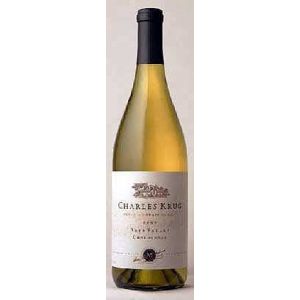
Charles Krug Napa Valley Chardonnay 2002 - PW - USA

Red Wines Only Featured Selections
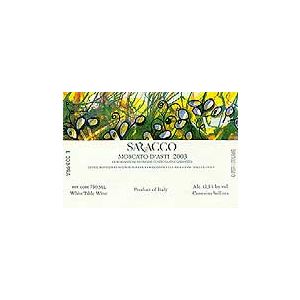
Saracco Moscato d'Asti 2003 -PR - Italy

White Wines Only Featured Selections
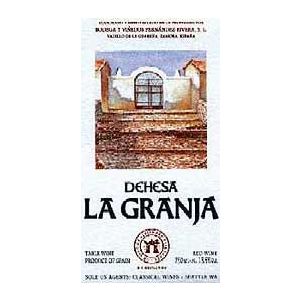
Dehesa La Granja Valdeguerena 1999 - PW - Spain


Macaw Creek Grenache Shiraz 2003 - Australia

You could easily miss the turn off down the dirt lane to Rod Hooper's charming 19th century winery, with the undistinguishable look of the Wild West about it, and we did. But once we finally found the low stone structure that constitutes Macaw Creek, a tiny, neatly kept winery, replete with an attached storage shed and a cozy antique tasting room, which was aglow with a fire to ward off the winter's chill from the clear cold mistral-like wind that was scouring the sweeping expanse of the Gilbert Valley, we knew we had come to the right place - Rod Hooper's home.

Rod Hooper is more or less a one-man band at Macaw Creek. Nearly single handedly, he has resurrected his family's old farmhouse and winery and become the voice for the burgeoning number of wine growers and fledgling wineries popping up astride the low South Australia hills of the Gilbert Valley, about an hour an half north of Adelaide. He is a pioneer, much as his ancestors were more than a century and half ago when they came as free settlers to what we now know as South Australia. Thanks to Rod's forebear, an accomplished stone mason, the winery and several nearby stone buildings still survive, more or less intact. One such structure, now overgrown with flowering almond trees and a high field of tall grass and wild flowers is slated to become a bed and breakfast, a popular concept among small wineries whose cash flow and customer base have remained relatively tiny, in spite of selling out of all of their wine in short order. Fortunate are the lucky souls who get to bed down at the Hooper's. The wines are great and Rod's mother can really cook.

Rod is a man with a vision. He has come back to the family homestead from a career as an oenology professor and acclaimed winemaker with the dream of producing fine wine in the all but forgotten Gilbert Valley. Moreover, Rod is bent on putting Gilbert Valley and its wines on the viticultural map. Already, he has made a darn good start.

There is little doubt that Rod Hooper has succeeded in fashioning some very fine wines at his estate, with a little help and equipment from his long time friend and fellow winemaker Tim Gramp. Both men share their equipment and their knowledge on winemaking with the idea that every winemaker needs a second opinion. Well, the opinion of the tasting panel seconds Rod's handiwork. Indeed, very fine red wines are being fashioned at Macaw Creek, especially those containing Grenache, Shiraz, and Cabernet Sauvignon, and Rod's Riesling is a winner, too. And as a pioneer, Rod is of course experimenting with Sangiovese and other varietals, which he hopes to have for sale in the future. This is the kind of estate we can hardly wait to come back to because we know this is only the beginning for Rod and our club members. Assuredly, there will be more than a few good wines to follow. Stay tuned!

The Clare and Gilbert Valleys

Gilbert Valley, which adjoins the Clare to the south, shares many of the attributes of the Clare, including the same pretty landscape and cool climate, but unfortunately this historic wine producing region has not yet received an official GI (Geograhical Indication, the Australian equivalent to a French Appellation or an American AVA (American Viticultural Area). However, with the efforts of Rod Hooper, expert winemaker, oenologist, fifth generation Gilbert Valley resident, and the articulate spokesman for the region's growers, the Gilbert should soon acquire the credentials it deserves.

Historically, the Gilbert was a thriving wine region prior to World War I and home to one of Australia's most important wineries, but "The War to End All Wars" destroyed the region's market for wine and with the British Empire's subsequent need for wheat and rye, the Clare was relegated to viticultural oblivion. And so it remained until Hooper came back to the old homestead after a stint teaching oenology and resurrected the Gilbert's propensity for the production of fine wines. At his tiny Macaw Creek Winery, Hooper turns out a wide range of excellent traditional reds, including a quintessential Grenache Shiraz that contains a bit of Cabernet and Malbec for added grip, one of the best organic Shiraz in Australia, and a beautifully wrought reserve bottling of Shiraz and Cabernet. Rod also assists other area winemakers with his expertise and fashions wines under contract for some of the biggest names in Australian wine. He is a man with a vision, along with the talent to make it happen.

Our hat is off to Rod Hooper, Tim Gramp, and the other dedicated small grower/producers in the Clare and Gilbert who craft interesting and individualistic wines. Most notable among the region's other fine small producers are John Wilson and his son Daniel, who work in the Polish River area of the Clare. The wines these Clare and Gilbert wineries fashion are indeed special as well as unique, and they deserve greater recognition. So stay tuned for future offerings from these excellent producers. Enjoy them while ye may!

Tasting Notes: A medium bodied, flavor packed wine, the 2003 Macaw Creek Grenache Shiraz exhibits a wonderful display of aromatic fireworks, and that's only the olfactory prelude. Black cherry, ripe plum, pepper and spice caress the nose, while elegant soft, cherry-berry flavors define this wine's broad mid palate. Easy drinking, but chock full of flavor and structure, it is truly a shame to consume the 2003 Macaw Creek so young because a healthy dollop of Malbec (6%) and just a bit of Cabernet (4%) add both backbone and structure to the hedonistic charms of the wine's Grenache and Shiraz. With just a few months in the bottle, this offerings seductive "baby fat" will give way to a smooth rich center framed by just the right amount of grip and tannin from the addition of a little Cabernet and Malbec. Macaw Creek's 2003 Grenache Shiraz puts to shame most other renditions of this poplar blend, and we can't hate that. Delicious now, this cheerful wine should be served cool (about 60º) in its first year of life or at slightly higher room temperatures after a few years in bottle.

Accompaniments: The 2003 Macaw Creek Grenache Shiraz is the kind of up front in your face kind of wine, with a good bit of class, which begs for foods to match its character and personality. Consequently, we suggest any number of simple, honest, extroverted dishes with this dandy. Some of our favorite pairings with a youthful Macaw Creek include a quintessential Three-Meat Meatloaf, a super duper Tex-Mex Chalupa, with homegrown green peppers and Monterrey Jack cheese, and an Herbe de Provence-Grilled Chicken Breast, with rosemary fries. Grilled Loin Lamb Chops, with a cucumber garlic sauce and a sprinkling of feta cheese, provide the perfect foil for a slightly more mature bottle of the Macaw Creek Grenache Shiraz. And if you are an even more adventuresome gourmand, we can put a plug in for Grilled Ahi Tuna on focaccia, with an authentic Provencal aioli or herb mayonnaise. Enjoy!

Recipe for Red Wine:

Mom's Three Meat Meatloaf

1/2 lb. ground round 1 cup ketchup
1/2 lb. ground veal 2 eggs - slightly beaten
1/2 lb. ground pork 1 onion - chopped
1 cup seasoned breadcrumbs salt & pepper (to taste)

In a large bowl combine ground meat together and add beaten egg. Mix very well. Add breadcrumbs, onion. Salt, pepper and 1/2 cup of the ketchup. Mix well. Form mixture into a "loaf" shape in a baking pan and cover top and sides with remaining ketchup.

Bake at 350 degrees for 1 hour.


Charles Krug Napa Valley Chardonnay 2002 - USA

Charles Krug is the oldest winery in Napa Valley. It is also the Peter Mondavi Family winery, the original Mondavi Napa Valley winery that was established by Caesar Mondavi, Robert and Peter's father. Krug has also been referred to as "the other Mondavi winery" and "the road less traveled" because, unlike brother Robert's winery, Krug has eschewed the limelight and kept a relatively low profile, except among critics and connoisseurs.

Originally founded in 1869 by Charles Krug, this historic property, like most others in Napa Valley, languished during Prohibition. Purchased by Caesar Mondavi, Krug first began producing wine under the Mondavi name in 1943. Today, the Krug Winery comprises more than 800 acres of prime Napa Valley vineyards. All of this estate's vineyards are located in the most acclaimed regions of Napa Valley and are farmed exclusively under the direction of Peter Mondavi and his family.

The Charles Krug Family of wines includes a fine Carneros Pinot Noir, a traditional full-throttle, oak aged Napa Valley Chardonnay, and a couple of excellent full-bodied Cabernet Sauvignon and Merlot wines. Krug also offers a Reserve Sangiovese and a few other special bottlings of Napa treats. However, the two characteristics we like best about Krug wines is the consistent high quality of fruit that is found in each of the winery's offerings and a no smoke and mirrors approach to producing traditional, full-flavored Napa Valley wines. At Krug, no fainthearted or overly sculptured wines need apply; this is real Napa Valley wine, the way it ought to be.

Tasting Notes: The 2002 Charles Krug Napa Valley Chardonnay is a big boned, old-fashioned Napa Valley Chardonnay. It sports a ton of varietal flavors that are then etched with butter and plenty of toasty vanilla oak. The 2002 Napa Valley Chardonnay, like all Krug offerings, is not for wimps. There is both flesh and bone in this powerful Chardonnay, and plenty of alcohol, too. Nevertheless, the wine remains well balanced and never appears clumsy; it finishes with power as well as pride, and lingers for at least fifteen seconds on the palate after swallowing. If you can wait a few additional months, time will release more of this wine's varietal tones, offering buttered apples and the waft of forsythia and other spring flowers that make old-fashioned Napa Chardonnay so attractive. We suggest serving the 2002 Krug Napa Valley Chardonnay at approximately 45º-50º F for maximum enjoyment.

Accompaniments: You won't easily run out of choices of foods to serve with the 2002 Krug Napa Valley Chardonnay because this big ol' wine can stand up to more than the usual Chardonnay fare. Put aside the grilled trout and other delicate morsels. Instead, we suggest grilled halibut, with a pungent fresh pineapple sauce, or a rare Ahi tuna steak, prepared with a teriyaki sauce and served with shitake mushrooms. Other flavorful pairings include grilled pork tenderloin, served with a tropical fruit chutney, and shrimp and whole-wheat linguine, laced with a spicy tomato cream sauce. Most other white meats and cream based pastas will pair nicely as well. In fact, the 2002 Krug Napa Valley Chardonnay should be able to hold up to just about anything you serve with it short of a t-bone steak or a braised lamb shank. Enjoy!


Recipe for White Wine

Pecan Encrusted Salmon

4 salmon fillets (4oz. each) 2 Tbl. melted butter
Pinch of salt 1/2 cup breadcrumbs
Pinch of pepper 1/4 cup pecans - chopped fine
4 tsp. Dijon mustard 4 lemon slices
1 Tbl. honey 3 Tbl. chopped parsley

Place salmon skin side down on a lightly buttered baking pan. Sprinkle salmon with salt and pepper. Mix together breadcrumbs, parsley and pecans in a small bowl. Then mix together mustard, butter and honey and brush on the fillets. Cover each fillet with the breadcrumb mixture. Bake fillets at 450 degrees for 15 minutes or until fish is cooked through. Garnish each fillet with a lemon slice.

Saracco Moscato d'Asti 2003 - Italy

Paolo Saracco is an oenologist and the pro-prietor of this charming family-owned estate in the Langhe Hills of Piemonte - the region of Italy that lies just south of the great Alpine wall as it tumbles out of Switzerland. Saracco's pursuit is the expert production of small quantities of two of the world's greatest white varietals: Chardonnay and Moscato. From 50 acres of steep Langhe vineyards, which are world renowned for producing Italy's most illustrious white DOC's as well as the long lived, full-bodied DOCG reds of Barolo and Barbaresco, Saracco turns out a modest amount of delicious Moscato d'Asti and a mere 500 cases of a splendid Chardonnay called Prasue.

The Saracco estate dates from the early 1900's. Paolo Saracco is the fourth generation of his family to run this property, but the first to bottle and sell the estate's entire production. Utilizing his outstanding oenology skills, this master winemaker has completely modernized this traditional property and made his winery a force to reckon with. And in an effort to focus entirely on quality, Saracco has decided to concentrate on only two grape varietals - a move we wish more winemakers would adopt. With Paolo Saracco at the helm of this fine property, we have much to look forward to in the years to come.

Tasting Notes: Light lovely and altogether tantalizing, it ought to be a sin to drink the 2003 Saracco Moscato d'Asti. Perhaps, that's why it's so hard to put this wine down; it's forbidden fruit, and before you know it the bottle is empty and you're looking for another bottle…. or two. Moscato d'Asti is typically light, effervescent, low in alcohol, and long on flavor, but the Saracco is more than the usual pleasant dose of lush Moscato one comes to expect from this type of wine, it is the ultimate Moscato d'Asti. Peach, pear, and what can best be described as the scent and savor of ambrosia haunt every sip of this naturally fruity, bubbly. Not only does the Saracco provide a fine dollop of the ancient Muscat grape in every glass, it is impeccably balanced, so it never comes off as ponderous or sugary sweet. We advise serving the Saracco Moscato d'Asti lightly or moderately chilled. Since it is easier to let a wine warm up in the glass rather than cool down, we suggest chilling this Moscato to approximately 40 F, then allowing it to open slowly and unfold in the glass. Enjoy!

Accompaniments: The 2003 Saracco Moscato d'Asti is not a wine that requires a prop to strut its stuff, but it sure does taste good with that special someone, before or after dinner. And adding a little to a ripe melon and allowing the two to stew for a few hours certainly starts or finishes a meal in style. Furthermore, dessert lovers are in for a treat. Whether you serve this wine with poached pears, a creamy fruit and custard tart, or a white chocolate mascarpone cheesecake, the Saracco Moscato is on duty and ready to serve. Nonetheless, many panel member, even a few died in the wool dry red wine lovers, extol the virtues of consuming the Saracco Moscato d'Asti all by its lonesome, and that is more than fine. In fact, Saracco's Moscato can take the place of dessert or simply be dessert in a glass, so as you like it.


Dehesa La Granja Valdeguerena 1999 - Spain

Dehesa La Granja Valdeguerena is the third and newest wine estate of Alejandro Fernandez of Ribera del Duero fame, whose Pesquera and Condado de Haza wine estates are among the finest in Spain. This latest venture is located on a 1,800 acre ranch that borders the Duero River in Zamora, just west of the Ribera del Duero. Beginning in the 17th century and for nearly two hundred years, La Granja Valdeguerena was a major wine producing estate, before it was converted to one of Spain's greatest bull fighting ranches in the 19th century. At an enormous expense and in his usual fastidious fashion, Alejandro Fernandez has resurrected and reconverted La Granja and its extensive 17th century cellar to their original vocation - the production of one of the Duero's finest wines.

Since the restoration, an additional 300 acres of Tempranillo vines have been planted at La Granja on their own rootstock (due to the property's compact sandy soil that is resistant to phylloxera), which will supplement the old, un-grafted Tempranillo vines in the Guerena Valley that La Granja is presently using for the property's newest, full-bodied red. It is the likes of La Granja and Fernandez's other estate bottled wines that underscore the Renaissance in winemaking that has gripped Spain in the past decade - a rebirth which is poised to transform the potential of the world's third largest producer of wine into a veritable repository of outstanding and affordable treasures.

Tasting Notes: A classic Spanish red, the 1999 Dehesa La Granja is deeply colored, full-bodied and highly polished. Made from 100% Tempranillo grapes, the Dehesa La Granja was aged two years in new American oak barrels and then bottled unfiltered. Consequently, the wine is highly extracted, intense on the palate, and redolent with the aroma of sandalwood, spice and crushed black fruits. Each sip reveals another nuance of flavor and extended breathing time only helps disclose the ripe, voluptuous fruit that stands at the core of this complex wine. Certainly, further aging will improve this tour de force in winemaking, but only if you are disciplined enough to lay down a few bottles. After tasting the Dehesa La Granja, one has to wonder if old-style Bordeaux, which some old timers swear was more akin to the classic Spanish reds of today than its contemporary counterpart, ever tasted this good. If you were expecting Beaujolais or a soft innocuous quaff, guess again; this is "the real Fernandez." Enjoy it at traditional room temperature (62º - 68º F).

Accompaniments: In Spain, it is traditional to serve robust reds with grilled meats, stews, and heady paellas, and, indeed, the 1999 Dehesa La Granja pairs well with such traditional fare. In fact, grilled homemade Italian-style sausage and spicy cassoulets are two of our perennial favorites with this wine. Lamb stew, venison, or a thick beef barley soup, served with crusty brick oven bread and a slice of cheddar cheese provide other beautiful marriages. A garlic and herb roasted rotisserie chicken provides another beautiful accompaniment to the Dehesa, as does a combination of marinated eggplant, zucchini, roasted red peppers, garlic and olive oil. Prime, aged beef is always a hit as well. Enjoy!

For Members Only

Give Your Friends FREE Beer, Wine, Cheese, Chocolate, Cigars & Flowers!
Through our Customer Appreciation Program

Your name has real value to your friends, co-workers, and family members! Every time a friend, family member, or anyone else you know joins any one of our clubs, [or gives a gift] for 3 months or longer, we'll give them 50% off of their first month, but only when they mention your name. And we'll also give you 50% off your next month too which can either be applied towards your current membership or you can try one of our other Clubs out! (We can add one more month to your order at 50% off for prepaid memberships!)

The Fine Print: Members giving gift memberships do not qualify for referral credits and you can't give yourself a gift to qualify! This Program is mutually exclusive of any other promotions.

Membership Q & A

Note: Please do not use the web site to make any account related information changes such as address or billing changes, membership extensions, or terminations. To ensure timely processing of your request, please call us at 800-625-8238.

Q: What can I do if I’m having difficulty receiving my shipment at home?
A: You should consider having our discrete box delivered to your work location or to a neighbor 21 yrs. of age that can receive it for you. The box is brown corrugated cardboard and doesn’t say “Wine” on it anywhere. Consider having it shipped to your work location as many of our customers do.

Q: What should I do if I’m moving or want to extend my membership?
A: Please call us prior to the 9 th of the month to make all account related information changes such as address changes, membership extensions & terminations, or gift accounts desiring to continue their memberships. Address changes made after that time may require a repackaging and re-shipping charge and will incur a $5.00 service charge from UPS that will be charged to your account.

Q: What happens if my shipment is damaged?
A: If your shipment arrives damaged, please call us immediately toll free at 1-800-625-8238 and report the incident for a prompt resolution.

Q: What happens if my credit card is declined?
A: We will send you a courtesy notice asking you for an alternative payment method and your order will be temporarily suspended until we hear from you. As we incur a $ 2.00 re-processing fee each time your card does not clear, that charge is passed on to you.

Q: What happens if I join under a special incentive program and don’t stay a member for the entire term committed?
A: Not a problem. Although we want to do everything we can to keep you as a member, we will allow you to cancel your subscription early, however, you will be responsible to pay for the item which was given to you as part of the promotion. If you received a discount based on a specific term, the amount discounted will be charged to your card.


logo for wine club
Since 1994
Home
Join Our Wine Club
Gift Memberships

Membership Renewals
Reorder Your Favorites
Wine of the Month Club
More Information
Current Selections
Past Selections
Testimonials
Other Gourmet Gifts
Corporate Gifts
Wedding Gift Ideas
All About Wine
Website Tools
Who We Are
Contact Us

1 - 800 - 625 - 8238
(Outside US call: 949-206-1904)
P.O. Box 1627, Lake Forest, CA 92609