Welcome to The International wine of the Month Club

Past Newsletters - December 2009

Premier Series
Featured Wineries & Wines
Membership Type
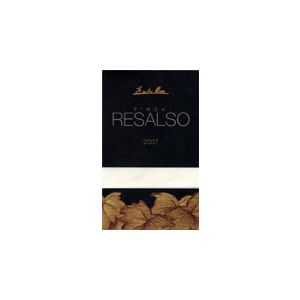
Emilio Moro Finca Resalso Ribera del Duero 2007 – Spain 1 Red 1 White; 2 Reds
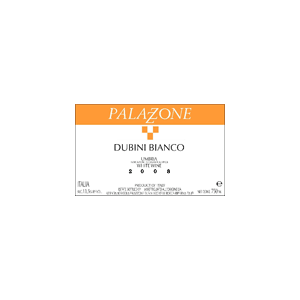
Palazzone Dubini Bianco 2008 - Italy 1 Red 1 White; 2 Whites
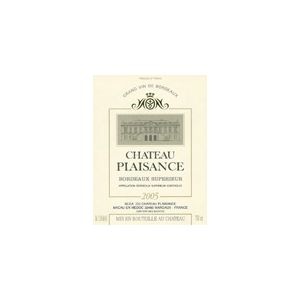
Château Plaisance Bordeaux Supérieur 2005 – France 2 Reds
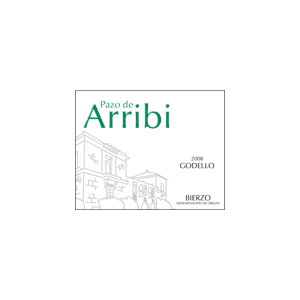
Pazo de Arribi Bierzo Godello 2008 – Spain 2 Whites


Master Series
Featured Wineries & Wines
Membership Type
R Petite Sirah Enver Salman Vineyard 2007 – U.S.A. 1 Red 1 White; 2 Reds
Palazzone Dubini Bianco 2008 - Italy 1 Red 1 White
Emilio Moro Finca Resalso Ribera del Duero 2007 – Spain 2 Reds


Collector Series
Featured Wineries & Wines
Membership Type
Petite Sirah Enver Salman Vineyard 2007 – U.S.A. 1 Red 1 White; 2 Reds
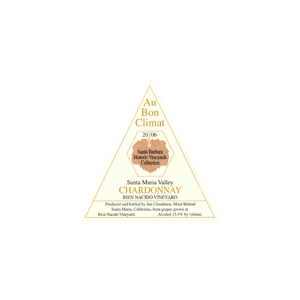
Au Bon Climat Bien Nacido Vineyard Santa Maria Valley Chardonnay 2006 – U.S.A. 1 Red 1 White
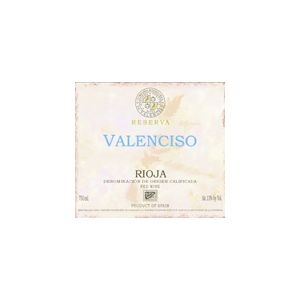
Valenciso Rioja Reserva 2004 – Spain 2 Reds

Emilio Moro Finca Resalso Ribera del Duero 2007 – Spain

Emilio Moro Finca Resalso Ribera del Duero 200Bodegas Emilio Moro is a family owned winery that has been crafting world class wines in Ribera del Duero for more than 120 years. The estate’s several vineyards are all located within Pesquera de Duero at high elevations along the banks of the Duero River. The specialty at Emilio Moro is the cultivation of Tinto Fino, the Ribera del Duero’s special clone of Tempranillo. As such, this bodega has in its vineyards original clones of Tempranillo, which are well-adapted to Ribera del Duero’s extreme vagaries of weather.

The wines of Emilio Moro are classic Ribera del Duero reds, wines made from 100% Tinto Fino. Until recently this bodega fashioned only one Ribera del Duero, a traditional, full-bodied, highly structured wine that is built for extensive cellaring. This year, the property has introduced an additional offering, Finca Resalso, a polished, smooth, structured Ribera del Duero that can be drunk young or cellared for several years. This way the bodegas’ many loyal customers can enjoy the fine wines of Emilio Moro in their youth as well as after a decade or more of extensive cellaring.

Ribera del Duero

Stunning Tasting Room at Emilio MoroLocated in the heart of Spain in the ancient realm of Castile and León, Ribera del Duero has been a center of wine production for thousands of years. Today, Ribera del Duero remains one of the most important wine regions in Spain, as it is the spiritual home of Tempranillo, Spain’s most venerable red grape variety, and the source of many of Spain’s greatest wines. Here the iconic Tempranillo, also known locally as Tinto Fino and Tinta del País, reaches its pinnacle and demonstrates to the world its inherent virtue.

Ribera del Duero occupies the hills and high meseta to the northeast of the city of Valladolid and stretches out along the Duero River, Spain’s most beloved waterway. Not surprisingly, the region draws its name from the venerable Duero that plays an important role in the region’s terroir. It seems that the soil of Ribera del Duero bears more than a passing resemblance to that of France’s Burgundy, with a wide range of chalk, clay, marl and gravel, combined together in varying degrees of prominence. However, whereas Burgundy’s soil complexity results from plate tectonics, the soil in Ribera del Duero results from the Duero’s erosion through the sedimentary layers of the Castilian meseta. The Duero River may likely play a role as well in moderating the rather harsh continental climate of the region, an area known for its dry, hot summers and cold winters. Add altitude (2,500-3,300 feet) and the intense luminosity of the Spanish meseta to the region’s exemplary terroir, and it becomes apparent that Ribera del Duero possesses all the attributes needed to showcase the beauty of Spain’s quintessential grape variety.

The Barrel Room at Emilio MoroAlthough Tempranillo provides heart and soul to nearly all the wines of Ribera del Duero, the Denominacion de Origen (DO) does permit small quantities of other grape varieties to appear in the appellation’s red wines, most notably Cabernet Sauvignon, Merlot, Malbec, and Grenache. There is, however, no requirement that Ribera del Duero contain any grape other than Tempranillo.   Consequently, there is no one magic formula. However, what is certain is that world wide demand for the great wines of Ribera del Duero will continue to grow as the cadre of astute producers in the zone continue to push the envelope on quality. Moreover, the relative value of the voluptuous red wines of Ribera del Duero are second to none. Just allow the red wine wares of Ribera del Duero a few years in bottle and a little time to breathe prior to serving, and they will more than handsomely reward the patient imbiber.

Tasting Notes: Although lighter and more accessible in its youth than the traditional Emilio Moro Ribera del Duero, the 2007 Finca Resalso possesses a wealth of flavor, plenty of polish, and enough structure to mature further in bottle for at least 3-5 years. With a deep ruby robe and an enticing aroma of violets, blackberry, cherry, and mineral, this wine seduces at first sight. Moreover, it continues to please from the first sip to the last. On the palate, the wine reveals supreme elegance along with plenty of pure, ripe fruit, savory spice, and a polished, textured feel that is hard to resist. We suggest opening the magical 2007 Finca Resalso a half hour before serving; the wine will quickly begin to unwind in the glass, but additional aeration burnishes Finca Resalso’s ripe tannins and adds a layer of complexity to this classic wine.

Accompaniments:  Given the elegant style of the 2007 Emilio Moro Finca Resalso Ribera del Duero, a wide array of classic and contemporary dishes awaits the serious gourmet as well as the ordinary gourmand. A simple herb roasted chicken seems to be equally at home with this wine as sizzling fajitas. However, for those more adept in the kitchen, stuffed quail and pheasant offer especially pleasing partners. We also propose serving the 2007 Emilio Moro Finca Resalso with Veal Pizzaiola (veal in a cherry tomato and Kalamata olive sauce). And loin lamb chops, when brushed with olive oil, garlic, and fresh rosemary and grilled to perfection over a charcoal fire, provide a treat as well.   In addition, we strongly suggest that one not overlook traditional Mediterranean favorites, even typical Italian specialties such as lasagna. Grilled eggplant and zucchini provide other tasty accompaniments. Enjoy!

For the Love of Cheese:  The 2007 Emilio Moro Finca Resalso Ribera del Duero provides cheese lovers a very special treat. The wine’s elegant fruit driven personality and subtle spiciness combine to make it a natural selection for a wide variety of cheeses, especially those made from cow’s milk. A glass of 2007 Finca Resalso with a rare artisanal Farmhouse Cheshire or a thick slice of Spanish Mahon will make any true cheese aficionado dance with delight. So, for more information on delicious gourmet cheeses, please contact us at www.cheesemonthclub.com and savor the day!

Palazzone Dubini Bianco 2008 - Italy

Palazzone Dubini Bianco 2008Palazzone is a stunning estate that sits atop a hill. It overlooks the venerable hill town of Orvieto. A more appropriate testimony to the illustrious name of Orvieto would be hard to find, as the estate and the wines of Palazzone do justice to the accolades and the unabashed praise that millennia of joyful Etruscans, Romans, and assorted moderns have heaped upon Orvieto and its seductive white wine.

Orvieto is certainly the most representative wine of Umbria; it can also be one of Italy’s most consistently delightful white wines. Unique among Italy’s white wines for its complex blend of five varietals, Orvieto is rarely an easy wine to make because of differing ripening timetables for each of its five varietals and the requisite difficulty of proportionate blending. Palazzone incorporates in artful fashion all five of the traditional varietals into its Orvieto: Procanico, Verdello, Grechetto, Malvasia and Drupeggio.

For centuries, Orvieto was a semi-sweet wine, not unlike France’s Vouvray, but today nearly all Orvieto is vinified dry. Some producers still turn out small quantities of amabile or abboccato, the designations given to sweet Orvieto, but the very finest producers like Palazzone seem to impart a wonderfully rich, silky body and an intensely fruity bouquet to their wine, without the residual sugar that most contemporary wine drinkers eschew. In addition to fashioning traditional Orvieto Classico, Palazzone produces limited quantities of Dubini Bianco, a dry white Orvieto in everything but name.

Thanks to the Dubini family, the present guardians of Palazzone, their estate is now the zone’s benchmark for quality. The Dubinis bought the estate in 1970. In just a few short years, they had resurrected and restructured the neglected property and fashioned it into what has become the model estate in Orvieto. The semi-abandoned country house was restored and 40 acres of vineyards were planted on soils of volcanic origin with ideal southeastern exposure. Molto bene!

Tasting Notes: Although a touch lighter and drier than the estate’s Orvieto Classico, the 2008 Palazzone Dubini Bianco offers the same terrific aromatic profile as its traditional sibling. Soft scents of acacia, apricot, and dried honey emanate from this golden-hued wine. Soft and seductive, it carries the intoxicating scents of spring in its breath. Furthermore, the wine’s delicious olfactory as well as what is most refreshing and satisfying about contemporary Orvieto follow through on the palate, so that each sip of the 2008 Palazzone Dubini Bianco recalls the awakening land and amber-hued hills that surround Orvieto. The 2008 Palazzone Dubini Bianco combines the best attributes of Orvieto with the modern penchant for truly dry white wine. In the 2008 vintage, the Dubini family has fashioned a dry, succulent Orvieto in everything but name. Dubini Bianco emanates grace, elegance, and flavor that speak directly to the senses. It purveys a truly aesthetic quality, worthy of the city for which Orvieto is named. Moreover, the 2008 Palazzone Dubini Bianco offers a refreshing respite from the dull, oak laden white wines of many New World producers. The 2008 Palazzone Dubini Bianco can be enjoyed moderately chilled (about 40° F) or at a more ambient temperature. Our preference is to drink Dubini Bianco and all fine Orvieto cool (50º - 55º F), but not overly cold. With less chill we find the wine more complex, flavorful and seductive, but as always . . . as you like it!

Accompaniments:  In Orvieto, the town’s illustrious white wines are most often served as an aperitif or with a delicate first course. The 2008 Palazzone Dubini Bianco provides that wonderful aperitif and much more. The 2008 Dubini Bianco offers superb accompaniment to fish, pork, lightly smoked meats, and cheeses. A simple grilled fish, served with a creamy cheese infused polenta, provides one of our favorite companions to any of Palazzone’s wines. For those seeking heartier fare, pea and lentil soups supply superb pairings as does a thick bread and cabbage soup with a cheese crust, the kind that is served in homes or local trattorias throughout northern and central Italy. Sautéed scallops in a cream sauce, served with homemade pasta, lentils and peas, provide another near perfect pairing. In addition, Dubini Bianco pairs beautifully with sushi, sashimi, and California rolls. And remember, one also has the delightful option of serving the 2008 Dubini Bianco with just a bit of soft or semi-hard cheese and some freshly baked bread. Enjoy!

Château Plaisance Bordeaux Supérieur 2005 – France

Château Plaisance Bordeaux Supérieur 2005Château Plaisance is one of those tiny jewels that Bordeaux has the uncanny ability to hide from us for only just so long. Château Plaisance is a veritable château in the classic style that is owned by Jean-Louis and Isabelle Chollet. It sits adjacent to the Margaux commune. Unfortunately for the owners of the château but fortuitous for the consumer, Château Plaisance sits just across the tiny vineyard road from Margaux and the Haut-Médoc on alluvial soils near the Gironde, so it is only entitled to bear the title of Bordeaux Supérieur. However, Château Plaisance is Margaux in everything but the name, and darn good Margaux at that. The only down side to this charming property is its diminutive size: only 22 acres (10 hectares) of vines are under cultivation and production is strictly limited.

In good vintages Château Plaisance is a blend of Merlot (70%), Cabernet Sauvignon (20%), and Petit Verdot (10%). The estate’s high percentage of Petit Verdot is rare among Petit Bordeaux châteaux and almost as unusual among the great classified growths. Only extraordinary châteaux whose Petit Verdot can fully ripen in fine vintages dare to cultivate such a high percentage of this potentially extraordinary varietal. In outstanding vintages such as 2005, Petit Verdot adds intense color, spice, structure, and a sophisticated feel to the finished wine, and such is the case with the 2005 Château Plaisance.

Tasting Notes: The 2005 Château Plaisance Bordeaux Supérieur is apt testimony to just how outstanding the 2005 vintage is in Bordeaux and how adept Claude Gaudin, the estate’s winemaker and vineyard manager, is at crafting flavorful, stylish red Bordeaux that easily shames many more illustrious Bordeaux wines from fancier addresses. Deeply colored and aromatically stunning, the 2005 Château Plaisance blesses the chosen few fortunate enough to find a bottle of it with a gorgeous Margaux bouquet – an aromatic profile ripe with fresh crushed blackberries, cassis, graphite, and just enough loamy earth tones to add complexity and depth to this utterly charming claret. Warm, textured, and rich in the mid palate, the 2005 Château Plaisance provides sophisticated drinking now, and the promise of even more to come. Beautifully balanced and long on the finish, this is one 2005 Bordeaux you will want to drink again and again. Enjoy it now and for the next several years. For optimal enjoyment, we suggest allowing this first rate Bordeaux at least 15-20 minutes open before consuming. Enjoy!

Accompaniments: Although fine red Bordeaux offers the taster plenty of flavor and sophistication, it gravitates more towards simple, well-prepared dishes than heavy, spicy meals. Consequently, we recommend you serve the 2005 Château Plaisance with rotisserie roasted chicken, pheasant, filet mignon, rabbit, or veal that eschew heavy sauces. Tender veal chops, grilled slowly to perfection and topped with mushrooms and a blackberry reduction sauce constitutes one of our favorite dishes with the 2005 Château Plaisance. For the more adventuresome, why not try complementing this sophisticated Bordeaux with a French classic – Chicken Barigoule – a rotisserie fried chicken breast with braised artichokes, garlic, pearl onions, carrots, asparagus, and tomatoes. It is a simple but very elegant meal that showcases the finesse and subtlety of this medium weight claret. Finishing a meal with a glass of the 2005 Château Plaisance and some delicious Edam, Port Salut, or similar styled soft cheese provides another superb way to enjoy this engaging wine at its peak. Salut!

Pazo de Arribi Bierzo Godello 2008 – Spain

Pazo de Arribi Bierzo Godello 2008Pazo de Arribi is a new wine venture with vineyards in the ancient province of Galicia. It is a collaborative effort between Bodegas Adriá and Classical Wines of Spain. Bodegas Adriá was established in 2002 with a local Bierzo family, renowned for several generations for their expert winemaking skills with traditional Galician varietals. Located in the Bierzo DO (Denominación de Origen), Pazo de Arribi specializes in the production of the region’s two premium grape varieties: Godello and Mencia.

Pazo de Arribi highlights the finest attributes of Bierzo and the desire to consistently produce excellent, traditional wines in the region’s cool climate. From Pazo de Arribi, one can count on aromatic, hauntingly beautiful Godello from estate grown fruit as well as full-bodied, richly textured Mencia from old vines. From our tasting experience and the favorable critical acclaim Pazo de Arribi’s wines are currently receiving, it is evident that the winery’s prescribed goal has already been realized. In just a few short years Pazo de Arribi has helped Bierzo claim its rightful place among Spanish DO’s. Moreover, Pazo de Arribi has graced us with a set of very special wines that are both fun and interesting to drink.

Godello

Godello VinesGodello is a high quality white grape varietal indigenous to Galicia, Spain’s cool, windswept province astride the Atlantic. A highly aromatic grape, Godello is enjoying renewed interest from wine lovers in Spain and abroad. New plantings and high critical acclaim have recently brought this heretofore obscure varietal into the limelight. Godello grows especially well in the Bierzo and Valdeorras DO’s of northwest Spain.

Tasting Notes: Pazo de Arribi is no ordinary winery, nor is Godello a typical grape, which makes for one tasty, out of the ordinary wine experience. For openers, the 2008 Pazo de Arribi makes a splendid first impression. It opens with an amplifying aroma of fresh summer fruits: scents of fig, melon and pear well from the depths of this wine to tantalize the nose. Moreover, the Pazo d’Arribi Godello continues to work its magic on the palate, where it offers clean, persistent, complex flavors along with a dollop of pure fresh fruit. Fresh and lively on the finish the Pazo de Arribi Godello ends pleasantly dry and leaves the thirsty gullet pleading for another sip. We suggest moderate chilling (40º-45º F) for maximum enjoyment.

Accompaniments: The 2008 Pazo de Arribi Godello is an ebullient, charming wine in its own right. As an aperitif, it offers a welcome change from Chardonnay or even Sauvignon Blanc. Nevertheless, it positively shines in the company of rich, spicy appetizers, delicately prepared seafood salads, and a host of Galician specialties. Galician paella is a perennial favorite: it is prepared with hake, octopus, and plenty of shellfish. Lightly fried calamari and sautéed oysters are some of our other suggested pairings with Godello. Fish or chicken tacos offer tasty, easy to prepare accompaniments, too. Yet, we suggest you not overlook Asian stir fries such as Thai Chicken and Basil or even lightly curried dishes with Pazo de Arribi’s cheerful, flavorful Godello. Buen Provecho! 

R Petite Sirah Enver Salman Vineyard 2007 – U.S.A.

R Petite Sirah Enver Salman Vineyard 2007R is Jeff Runquist’s own label. R is his passion, pride, and joy. R is, also, the envy of the legion of California winemakers who stay up nights dreaming of making wine their own way and being critically and financially successful in the process. Jeff Runquist is unequivocally one of California’s finest and most consistent producers of Petite Sirah. He is the sole proprietor and winemaker for R and he is the driving force and successful suit behind a number of other premium California wineries, including the McManis Family Vineyards.

“I just want to play the game my way,” has always been Jeff Runquist’s mantra. By this statement he means dedicating himself entirely to the art of winemaking, the way he wants to make wine. With R, Runquist specializes in ultra premium, single vineyard designated, 100% varietal red wines. Petite Sirah, Syrah, and Zinfandel are Runquist’s specialties and most renowned wines, but he also fashions small quantities of outstanding Cabernet Sauvignon, Pinot Noir, Barbera, Sangiovese, and Primitivo (the forerunner of Zinfandel).

Runquist has been making wine for more than thirty years and the legendary R since 1995. Since inception, R wines have consistently won gold medals in major wine competitions. Each has sold out promptly, leaving the cellar devoid of even a single bottle shortly after release. Critics complain they haven’t even had a chance to taste the R wines before they are sold out. In addition, Runquist spends little time selling wines and even less time marketing them, a rarity today. This scenario is certainly not the norm, but then again Jeff Runquist is not an ordinary winemaker.

Neither R nor Runquist himself own even a single vine. Runquist has no written contracts with any of the great growers and vineyards he sources year after year. Nonetheless, they always provide him with outstanding raw material with which to practice his art and work his magic. And to his credit and the utter amazement of the California wine establishment, Jeff Runquist does not even maintain a tasting room – an omission and unforgivable offense to the large commercial establishments that prey upon the accidental connoisseur and the casual wine tourist. Moreover, Runquist refuses to expand his annual production of R wines for fear of compromising their quality. In fact, his overriding objective is to produce all of his wines in tiny lots. This means producing only 700-1000 cases of each of his main varietals (Petite Sirah, Syrah, and Zinfandel) and only 100-300 cases of each of his other red varieties. Routinely, this process involves declassifying a third or more of his production each vintage simply because Runquist declares: “If I am not happy with a wine, I don’t bottle it … if I don’t get as big an economic reward, that’s okay. I am happy with the wines made under my label. ”  Sadly, this is hardly the prevailing philosophy elsewhere in today’s world of wine. However, far be it from us to complain: we are the delighted beneficiaries of such arcane practices. We are the chosen few who actually get to taste a bona fide R wine.

Tasting Notes: One sip of the 2007 R Enver Salman Petite Sirah and it is easy to see why this wine was awarded a Gold Medal and deemed Best of Region at the 2009 California State Fair and why it garnered Gold again at the 2009 Pacific Rim International Wine Competition and was named Best of Class. Clearly, Runquist has once again fashioned from the Enver Salman Vineyard the quintessential California Petite Sirah. We used to think Jeff Runquist was one of the best producers of Petite Sirah, but with his latest effort he may well be in a league all by himself. An intense purple robe is the first sign that the 2007 R Enver Salman Petite Sirah has much to offer, but the knock out bouquet and oodles of flavor that follow confirm the suspicion and make it easy to understand why R Petite Sirah remains one of our panel members’ all time favorite wines. A wellspring of scents and savors, reminiscent of fat, ripe blackberries, blueberries, bramble, cassis, and spicy oak assure the quick disappearance of the bottle’s contents. Big, beautiful, and packed with flavor, Runquist’s Enver Salman Petite Sirah vanishes without much more than a notice, despite 14. 7% alcohol and plenty of backbone. Its rich black fruits, dark chocolate, and forest woodland flavors all sing their seductive song within a framework of sweet, new oak. From this wine’s auspicious start to its amazingly long finish, there is neither a beat nor a chord remotely out of sync. In short, the 2007 R Enver Salman Vineyard Petite Sirah is another tour de force in winemaking from Jeff Runquist. We suggest serving this outstanding Petit Sirah at cool room temperature (64°-66° F).

Accompaniments: The first time we tasted R Petite Sirah several years ago, one of our senior panel members proclaimed rather emphatically: “You can serve this wine with whatever you want, but I’m drinking mine plain. I’m not going to let anything stand in the way of my idolizing this wine. ”  Well, it’s heartwarming to know that some things don’t change; they just get better. Runquist’s 2007 Enver Salman Petite Sirah needs no accompaniment to shine. Nonetheless, artfully prepared meals and hearty, rib sticking fare provide excellent companionship to this wine. We suggest serving R Petite Sirah  with all kinds of meats and Mediterranean specialties, including game; a thick meaty cassoulet; an herb roasted leg of lamb; Penne a la Siciliana (penne pasta in a very thick fresh tomato sauce, with roasted garlic, eggplant, and herbs), or authentic Piedmontese risotto. Better yet, why not serve R Petite Sirah with a traditional Farmer’s Pasta, a combination of penne pasta, three kinds of cheese, cream, and plenty of pancetta?  Hunks of hard, flavorful cheeses such as Parmesan or Provolone also provide outstanding accompaniments to the R Petite Sirah. Buon Appetito!

Au Bon Climat Bien Nacido Vineyard Santa Maria Valley Chardonnay 2006 – U.S.A.

Au Bon Climat Bien Nacido Vineyard Santa Maria Valley Chardonnay 2006Au Bon Climat, or ABC as it is called by its many admirers, enjoys an international reputation for its formidable work with French varietals, most notably Chardonnay, Pinot Noir, Pinot Gris, and Pinot Blanc. Under the expert care of Jim Clendenen, the “Mind Behind” Au Bon Climat, full throttle, classically wrought wines are the order of the day. No light fruit bombs or over oaked, late harvest style Chardonnays and Pinot Noirs to choose from here. At Au Bon Climat one can expect in each and every bottle only the fullest expression of several notable vineyards from California’s glorious Central Coast. In addition, Au Bon Climat’s wines age gracefully and deliver Burgundian complexity. For these reasons, ABC has been on Robert Parker’s short list of Best Wineries in the World. It has also been selected by British wine critic Oz Clark as one of only fifty world-wide creators of Modern Classic Wines. To add to this prestigious property’s long list of accolades, Jim Clendenen was named the Los Angeles Times “Winemaker of the Year” in 1992; Food & Wine Magazine “Winemaker of the Year” in 2001; and Wein Gourmet, Germany’s leading wine and food magazine, “Winemaker of the Year” in 2004. In 2007 Jim garnered yet another tribute; he was inducted into the James Beard Foundation’s “Who’s Who of Food and Beverage in America. ”

Upon graduation in 1976 with High Honors in Pre-Law from the University of California, Santa Barbara, Jim Clendenen seemed destined for one of the nation’s top law schools and a promising legal career. Instead, Jim headed for France where on a junior year abroad he had discovered that there was more to culinary arts than burgers and tacos. After a month in Burgundy and Champagne, he decided against law school in favor of a career in wine. By 1978, Jim was already Assistant Wine Maker at Zaca Mesa Winery. At Zaca Mesa, he helped create some of that winery’s finest wines to date. In 1981, Jim worked three harvests on three continents: he actively participated in the crush in Australia, California, and France. The following year, he and his former partner Adam Tolmach began Au Bon Climat.

Today, Au Bon Climat is under Jim Clendenen’s sole direction. Production has grown to over 30,000 cases, but each wine remains a handcrafted affair. Burgundian varietals predominate (Chardonnay and Pinot Noir), but Jim specializes in other French varietals, too. In recent years, he has experimented successfully with premium Italian grape varieties as well. The primary sources for Au Bon Climat’s wines are the estate’s own Le Bon Climat Vineyard and the internationally renowned Bien Nacido Vineyard, both in Santa Maria Valley. ABC’S Le Bon Climat Vineyard is organically farmed and has been certified organic since 2003. Au Bon Climat also draws grapes for its various offerings from the Sanford & Benedict Vineyard in the Santa Rita Hills, the Los Alamos Vineyard in Santa Barbara County, and the exceptional Talley Vineyard in nearby San Luis Obispo County.

Tasting Notes: A knockout Chardonnay by all accounts, the 2006 Au Bon Climat Bien Nacido Chardonnay is nothing short of mind boggling, even for those who do not ordinarily gravitate to California Chardonnay. A bold, beautiful wine that highlights Jim Clendenen’s Midas touch with Chardonnay, Au Bon Climat’s profound 2006 Bien Nacido offering combines the finest attributes of California Chardonnay with the pinpoint precision, balance, and complexity of the greatest white Burgundies from Puligny and Chassagne-Montrachet. Ripe round fruit, laced with the entrancing aromas of acacia flower, pear, sautéed hazelnuts, creamery butter, and oriental spices, serenade the nose and make one beg for another sniff. On the palate, Au Bon Climat’s Bien Nacido Chardonnay comes across equally compelling; it tantalizes the tongue and fills the senses with a host of dry, complex flavors that could convince even the most stalwart supporters of “Anything but Chardonnay” to turn in their membership. Dry, suave, and complex on the finish, it is almost impossible not to want to worship this glorious Chardonnay. Moreover, from the moment the cork exits the bottle, Au Bon Climat’s Bien Nacido Chardonnay is ready to please. Yet, like all of Jim Clendenen’s magical Chardonnays, the 2006 Bien Nacido promises to age gracefully in the bottle for six or seven years or more. Considering that this wine has not yet reached its zenith, we suggest keeping a second or third bottle in abeyance: you will be glad you did. Anticipated maturity: 2010-2013. For optimal enjoyment, we suggest only moderate chilling (40º-50º F) and a few minutes of aeration prior to consumption.

Accompaniments: Great Chardonnay the likes of the 2006 Au Bon Climat Bien Nacido Vineyard Chardonnay calls for the finest ingredients and a deft hand in the kitchen. Julia Child, where are you?  Artfully prepared cuisine or at the very least the handiwork of a simple but well-run kitchen will provide a memorable experience with Don Clendenen’s masterful Bien Nacido Chardonnay. Crab or lobster bisque makes for a wonderful opening act with this wine. Steamed or grilled lobster with plenty of drawn butter offers this Chardonnay another chance to shine. And for those who are decidedly more adept in the kitchen, why not consider Sweet Potato Ravioli, served with a creamy apple broth and a mixed apple salad, or a Potato Encrusted Alaskan Halibut, served with a ragout of wild mushrooms, baby spinach, prosciutto, and mixed vegetables?  Pan Seared Duck Breast, served with a wild mushroom polenta soufflé provides another memorable pairing. The Au Bon Climat is one Chardonnay that can more than hold its own in the company of serious food, so have some fun in the kitchen and enjoy!

Valenciso Rioja Reserva 2004 – Spain

Valenciso Rioja Reserva 2004The Compania Bodeguera de Valenciso is the artistry of Luis Valentin and Carmen Enciso. The name Valenciso, a combination of the proprietors’ two last names, was born when the partners left their respective positions at one of Rioja’s oldest and most prestigious bodegas. With a shared vision of creating a truly boutique Rioja in their own cellar, Luis and Carmen have created one of the finest and most seductive of all Rioja wines. Their dream has come to life in the outstanding offerings that now flow harmoniously and joyfully from their bodega to our glasses.

Valenciso WineryThe secret to the nearly instantaneous success of Valenciso is the criteria Luis and Carmen apply to their wines. All of Valenciso’s wines are made in small lots or cuvees. Each relies upon the greatness of old vine Tempranillo, the grape varietal that steals the heart and defines the soul of Rioja. In addition, yields in the vineyard are kept draconically small in order to fashion wines of finesse, flavor, and symphonic harmony. Moreover, only small barriques are used for aging, a third of which are renewed annually. French oak predominates and all of it is of cork “flor” quality, the highest level possible. Yet, without expert winemaking, all of these measures would be of marginal value at best. With a string of successes that began with Valenciso’s inaugural vintage in 2000, Luis and Carmen have come to realize their dream. Presently, only Rioja Reserva is made at Valenciso, and no wine is released until it is at least four years of age.

Tasting Notes: Drinking a Valenciso Rioja Reserva is the gastronomical equivalent of listening to a great symphony. The 2004 Valenciso Reserva is a flawlessly balanced piece that resonates with perfect pitch. The bouquet of this beautiful Rioja releases aromas of earth and dark fruits, cedar, spice and cacao that could ensure rapture. In the mouth, the Valenciso Reserva caresses the palate with lush, textured fruit, followed by layers of complex flavors that are long and ever evolving. Infused in the wine’s hedonistic fruit lies a satisfying draught of sandalwood, cinnamon, dark chocolate, and tobacco that dances across the palate and lingers for up to a minute or more after slipping down the throat. Velvety tannins add structure and support to the 2004 Valenciso Reserva as well as assurance that this glorious Rioja will continue to induce pleasure for many years to come. We suggest serving this extraordinary Rioja Reserva at cool room temperature (60º-64º F) after a half hour or more of aeration.

Sunset at Valenciso WineryAccompaniments: Fine wine such as the 2004 Valenciso Rioja Reserva deserves culinary complements of comparable stature. A complex, elegantly wrought Rioja, the Valenciso Reserva pairs extremely well with both traditional specialties of the Ebro River region of Spain and classic continental favorites. One will never go astray with an appetizer of wild mushrooms sautéed in olive oil and garlic followed by an entrée of grilled lamb chops. Yet, we also recommend a traditional stew, prepared a la riojana with chicken or game birds, white beans, chorizo sausage, peppers, paprika, and tomatoes. Venison stew in a thick brown sauce and venison tenderloin also provide some of our most memorable pairings with this wine. If by chance a quick meal, a comfortable chair by the fire, and a great book are simultaneously calling your name, whip together a potato, garlic, onion, and chorizo omelet, fix a plate of fine Spanish cheeses with a loaf of crusty bread, or simply order in a rotisserie chicken, and lose your senses in an astounding glass of 2004 Valenciso Reserva. Salud!

I'm ready toPlace My Order Button


logo for wine club
Since 1994
Home
Join Our Wine Club
Gift Memberships

Membership Renewals
Reorder Your Favorites
Wine of the Month Club
More Information
Current Selections
Past Selections
Testimonials
Other Gourmet Gifts
Corporate Gifts
Wedding Gift Ideas
All About Wine
Website Tools
Who We Are
Contact Us

1 - 800 - 625 - 8238
(Outside US call: 949-206-1904)
P.O. Box 1627, Lake Forest, CA 92609