Vol. 8 No. 9
Premier
Series
|
|
Featured Wineries & Wines
|
Membership Type
|
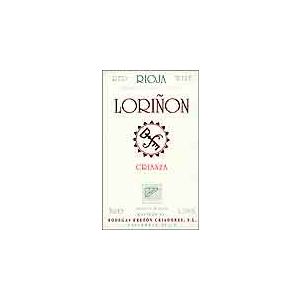
| Bodegas Breton Loriñon Tinto Crianza Rioja 2001 – Spain | 1 Red 1 White; 2 Reds |
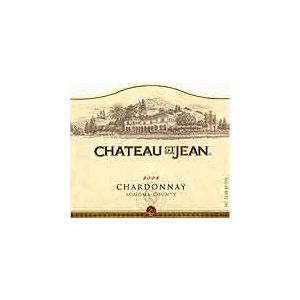
| Chateau St. Jean Sonoma County Chardonnay 2003 – U.S.A. | 1 Red 1 White; 2 Whites |
| Walnut City WineWorks Willamette Valley Pinot Noir 2003 – U.S.A. | 2 Reds |
| Walnut City WineWorks Willamette Valley Pinot Gris 2004 – U.S.A. | 2 Whites |
Master
Series
|
|
Featured Wineries & Wines
|
Membership Type
|
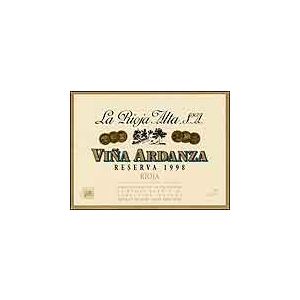
| La Rioja Alta Vina Ardanza Reserva 1998 | 1 Red 1 White; 2 Reds |
| Chateau St. Jean Sonoma County Chardonnay 2003 – U.S.A. | 1 Red 1 White |
| Bodegas Breton Loriñon Tinto Crianza Rioja 2001 – Spain | 2 Reds |
Collector
Series
|
|
Featured Wineries & Wines
|
Membership Type
|
| La Rioja Alta Vina Ardanza Reserva 1998 | 1 Red 1 White; 2 Reds |
| Inama Vigneti di Foscarino Soave Classico 2003 – Italy | 1 Red 1 White |
| Giacomo Mori Chianti DOCG 2003 – Italy | 2 Reds |
Bodegas Breton Loriñon Tinto Crianza Rioja 2001 – Spain
Bodegas Breton is a small world-renowned estate in the Rioja Alta, the most
beautiful and prestigious of Rioja’s wine regions. Founded in 1983, Bodegas
Breton is a partnership that includes the famous 100-acre Viña Loriñon
property, which lies at the heart of the Rioja along the south bank of the
Ebro River, just outside the city of Logrono. Bodegas Breton also includes
the legendary Dominio de Conté site, whose average vineyard age is the
oldest in the Rioja. Both Breton vineyards specialize in the cultivation of
the indigenous Rioja varietals: Tempranillo, Mazuelo, Graciano, and Garnacha
for the estate’s red Rioja and Viura and Malvasia for the estate’s
white wines. Here, winemaking is very much in the traditional Rioja style – only
Spanish grape varieties are utilized and the emphasis is on Crianza and Reserva
style wines (meaning extended barrel aging and pronounced wood flavors) that
have come to define not only Breton’s own traditional bent but Rioja’s
distinctive flavor profile as well.
In spite of its youthful origin, Breton takes a very time-honored approach to its wines. The philosophy and overriding objectives of this estate are twofold: the preservation of the elegant, balanced “Rioja Alta” style and the longevity for which traditional Rioja is legendary. Moreover, since its premier release, Bodegas Breton has consistently sought to increase extract in its wines to complement the racy, impressive acidic structure that is routinely obtained from the estate’s mature, low yielding vineyards. The outstanding 2001 vintage is further testimony to Breton’s continuing achievement in this regard, as this vintage has supplied supreme elegance as well as formidable extract to the estate’s wines, especially the 2001 Loriñon Crianza.
Like most Rioja estates, Bodegas Breton produces both red and white Rioja. In fact, some years ago this estate began pioneering the production of barrel-fermented dry white wine from 100% Viura. The Loriñon Blanco “Barrel Fermented” Rioja is a firm, richly-textured and perfumed wine that improves with age. Furthermore, a more traditional white Crianza, aged twelve months in oak, is also fashioned by Breton. Yet, despite Breton’s success with white Rioja, the bodega’s red Rioja wines remain the estate’s specialties. In particular, the Loriñon Tinto Crianza remains the critics’ choice as Rioja’s most serious Crianza. This special wine spends 15-18 months in seasoned American oak barrels, before it is allowed to rest an additional year in bottle before release. In addition, Breton crafts a luxury offering, the rare Dominio de Conté Reserva, which is produced only in the finest vintages. The latter serves as a reminder of the great age worthiness and depth of Rioja – attributes that first made this region and its wines legendary in the 19th century.
Tasting Notes: The outstanding 2001 vintage has imbued the 2001Breton Loriñon Tinto Crianza with everything it needs to succeed in life, including a deep ruby robe, an amplifying aroma, supreme extract, and the requisite balance to live a long healthy life. In short, both extract and subtlety play off each other, and this is just the youthful beginning for this marvelous Rioja. The wine’s amplifying nose offers a smorgasbord of tantalizing aromas: cassis, plum, chestnut, pipe tobacco, spice, and of course vanilla and sweet oak. In the mouth, the Loriñno Crianza is both silky and rich, and just packed with all kinds of flavors. Typical of great Rioja, each subsequent sip of the 2001 Loriñon Crianza reveals more of the warmth and latent goodness for which Rioja is famous, but patience is required. The magic of Rioja unfolds slowly and reveals itself over time, especially in the company of good food, so we suggest you not be in a hurry to consume this wine or you may miss the best that this Crianza has to offer. For optimum enjoyment, allow the Loriñon Crianza to breath for at least half an hour, preferably in a decanter, before savoring it at cool temperature (64º - 68°F).
Accompaniments: A coterie of food and wine critics and more than a few self proclaimed connoisseurs have extolled the virtues of beef in the company of Rioja, and, indeed, steaks and filets provide excellent accompaniments to the 2001Breton Loriñon Crianza. However, lamb and pork dishes are other traditional favorites in Rioja that we, also, believe merit serious consideration. But why stop here? One of the tasting panel’s perennial favorites with the Loriñon Crianza is a simple rotisserie roasted chicken, basted with Mediterranean herbs, butter, olive oil, and garlic. This simple but flavorful dish allows the Crianza to shine unencumbered. Several meatless pasta dishes also rank high on our list. Penne pasta, served with a heady white bean sauce, made with plenty of onion, garlic, red pepper, celery, and grated hard cheese highlights perfectly the fresh and elegant side of the 2001 Breton Loriñon Crianza.
For the Love of Cheese: Bodegas Breton’s 2001 Loriñon Crianza has a way with cheese as well as beef, and this is the kind of two timing we really enjoy. Hard and semi- soft cheeses provide especially fine pairings. Spanish Mahon and Manchego are two clear standouts, but Danish Harvarti and an authentic aged Dutch Gouda offer equally compelling reasons to open a bottle of the 2001 Loriñon Crianza. For other great cheese selections, checkout out In Pursuit of Cheese at www.cheesemonthclub.com and enjoy!
Chateau St. Jean Sonoma County Chardonnay 2003 – U.S.A.
Chateau St. Jean or Château Margo as the winery’s staff and the
brand’s staunchest adherents are fond of calling it, has been one of
California’s most heralded and consistent wineries over the last three
decades. Not surprisingly, much of the winery’s success lies in the fact
that Margo Van Staaveren has been making wine at Chateau St. Jean for the past
25 years.
Since graduating from UC Davis in 1979, Margo has never worked full time anywhere else. Like most California wineries, Chateau St. Jean has undergone several changes over the years in ownership as well as philosophy, but with Margo Van Staaveren always minding the vats, one bright, constant star has managed to guide Chateau St. Jean in the path of excellence.
When Margo first arrived at Chateau St. Jean, Dick Arrowood was the winery’s chief winemaker. Now legendary, Arrowood later began his own winery, producing wines of unabashed excellence and critical acclaim. Margo concedes a great debt of gratitude to Arrowood, whom she considers a crucial mentor. However, when Arrowood moved on, Margo’s husband, Don Van Staaveren took over as chief winemaker and he and Margo embarked on a new project that has since left an indelible stamp on the world of wine – the introduction of Cinq Cepages, one of California’s first great meritage wines.
In 1995, Margo was offered the top winemaking spot at Chateau St. Jean when husband Don Van Staaveren accepted an offer to spearhead the transformation of the great Artesa property in Napa from sparkling wines to still wines. After 16 successful years together making wine, no one was surprised when Margo was asked to assume the role of chief winemaker at Chateau St. Jean. However, what did surprise a lot of folks was that Margo turned down the position – one of the plumiest positions in all California – to continue raising her two children, a decision she doesn’t regret.
Nonetheless, what could have been a very frustrating and querulous situation for Margo and incoming winemaker Steve Reeder, turned out to be a great boon for consumers. In 1996, Chateau St. Jean had five of the six top rated wines on California’s Top Hundred List and together, Margo and Steve went on to produce the legendary 1996 Cinq Cepages, the wine that Wine Spectator named the Wine of the Year in 1999.
Today, Margo Van Staaveren reigns over Chateau St. Jean, not only as the unofficial queen of Chardonnay but also officially as chief winemaker. Last year, with her children more grown and independent, Margo finally accepted the much-heralded position of head winemaker at Chateau St. Jean. In fact, “when we announced that she was taking over as winemaker, they (winery employees) had a cape of her and a crown,” said Dan Leese, the winery’s president and managing director. I guess we are not the only ones who recognize royalty when we see it.
Chateau St. Jean remains most renowned for its litany of great Chardonnay wines as well as its legendary Cinq Cepages. However, this wonderful winery also fashions a host of other fine white wines along with excellent Merlot and Cabernet Sauvignon.
Tasting Notes: Bright, creamy, and brimming with tropical fruit, the 2003 Chateau St. Jean Sonoma County Chardonnay doesn’t miss a beat. In fact, this wine hits all the right notes from an aromatic prelude to its resounding finish. It may also leave you shaking your head, wondering why you hadn’t bought more. Perhaps, the most telling comment on this extroverted Chardonnay comes from a member of our tasting panel, who rather casually remarked: “the second glass of this wine tastes even better than the first.” And indeed, it does. The real test of California Chardonnay is whether it can pass the test of time in your mouth. Does the wine fatigue the palate or awaken it? In the case of the 2003 Chateau St. Jean Sonoma County Chardonnay, the inviting aromas of pineapple, vanilla cream, and pear meld into a gorgeous palate of buttered apple, citrus, and just the right hint of toasted oak, which never wear on the palate. Medium-bodied, but superbly balanced, this classically wrought Chardonnay is testimony to just how good California Chardonnay can be in the hands of an expert winemaker … and for under $20.00 a bottle.
Accompaniments: With or without food, the 2003 Chateau St. Jean Sonoma County is a gustatory delight. Its good acidity and superb balance make it a natural for food, but this is one California Chardonnay that is equally comfortable alone on the terrace as it is inside at the table. Nevertheless, our natural inclination is to pair good wine with good food. Why have only half the pleasure when you can readily double the delight? Therefore, why not try the 2003 Chateau St. Jean Chardonnay with Tilapia, served in mango chutney or let it accompany a grilled chicken and avocado salad over a bed of mixed organic greens. Marinated pork tenderloin, served with apricot and macadamia nut compote provides another fine accompaniment. Seared shrimp over creamy stone ground grits makes for another pleasant interlude. Truly, this wine is really quite versatile, so whether it’s at a fancy lunch or during a simple evening meal at home, you will find that most fish, fowl, vegetables, and white meats beg the 2003 Chateau St. Jean Sonoma County Chardonnay for an audience. Give them all a try, and enjoy!
Walnut City WineWorks Willamette Valley Pinot Noir 2003 – U.S.A.
Walnut City WineWorks is the dream of John Davidson and John Gilpin, two Oregon farmers, nurserymen, and winemakers who have planted more than a million vines throughout Oregon’s Willamette Valley in the past two decades. The two met back in 1984 at one of Yamhill County’s first wineries. From the beginning the two shared a love for Pinot Noir and a desire to establish Oregon’s Willamette Valley as one of the world’s premier producers of Pinot Noir. Over the years, that dream has grown to include Pinot Gris, Oregon’s response or rebuke, if you will, to Chardonnay.
Walnut City WineWorks opened its doors in 1999 in the original Willamette Valley Walnut Company building in the heart of historic McMinnville. After an extreme interior make-over, Davidson and Gilpin, along with winemaker Zac Spence, have set about fashioning a bevy of clean, tasty Pinot Gris and Pinot Noir wines from two hundred acres of Willamette vines they either own or manage. Davidson and Gilpin’s own work is bottled under the Walnut City WineWorks label; the rest is made and bottled for other producers. Walnut City WineWorks also functions as a custom crush facility for a number of small growers, who share Walnut City WineWorks’ like minded passion and joy for wine.
Tasting Notes: An intriguing bouquet of ripe black cherry fruit, strawberry, and the subtlety of spice, seeps indefatigably from the regally robed 2003 Walnut City WineWorks Pinot Noir. On the palate, this Côte de Nuits Burgundian style Pinot Noir opens slowly and unfolds propitiously to reveal textured ripe fruit, oriental spice, and just a hint of smoke that adds a note of complexity. Moreover, this WineWorks Pinot Noir has sufficient underpinning and a zesty finish, so there is no wimp in this wine. With aeration, this youthful Oregon Pinot Noir becomes rich, smooth, and long on the palate. Although beautiful now, the 2003 Walnut City WineWorks Pinot Noir has additional ageing potential, providing you can exercise enough discipline to lay down a few bottles We suggest serving this lovely Oregon Pinot Noir at approximately 65? F. For optimum enjoyment, provide at least twenty minutes of aeration before consuming. Enjoy!
Accompaniments: Given the distinctly Burgundian profile of the 2003 Walnut City WineWorks Pinot Noir, traditional Burgundian classics such as Coq au Vin and Boeuf Bourguignon offer enviable, if not familiar, company. But whether it is traditional French country fare, Piedmontese Risotto, or a succulent Veal Chop, the 2003 Walnut City WineWorks Pinot Noir seems best suited for savory somewhat sophisticated preparations. Nonetheless, pork tenderloin, lamb, and even Prime Rib provide exemplary complements as well, especially if attention is given to a garnish or sauce. On a lighter note, marinated grilled salmon filets, with a lingering touch of ginger and soy, or even a slightly piquant Asian Tuna Salad offer other outstanding complements to this wine. In addition, any cream or truffle based sauce bring out all the latent goodness in this lovely Pinot Noir. In fact, the 2003 Walnut City WineWorks Pinot Noir is fairly versatile and will complement most menus, simple or supreme, but it seems to us a shame to pair this fine Pinot Noir with pedestrian fare, so why not treat yourself and the wine, too? After all, who is better than you?
Walnut City WineWorks Willamette Valley Pinot Gris 2004 – U.S.A.
Walnut City WineWorks is the dream of John Davidson and John Gilpin, two Oregon farmers, nurserymen, and winemakers who have planted more than a million vines throughout Oregon’s Willamette Valley in the past two decades. The two met back in 1984 at one of Yamhill County’s first wineries. From the beginning, the two shared a love for Pinot Noir and a desire to establish Oregon’s Willamette Valley as one of the world’s premier producers of Pinot Noir. Over the years, that dream has grown to include Pinot Gris, Oregon’s response or rebuke, if you will, to Chardonnay.
Walnut City WineWorks opened its doors in 1999 in the original Willamette Valley Walnut Company building in the heart of historic McMinnville. After an extreme interior make-over, Davidson and Gilpin, along with winemaker Zac Spence, have set about fashioning a bevy of clean, tasty Pinot Gris and Pinot Noir wines from two hundred acres of Willamette vines they either own or manage. Davidson and Gilpin’s own work is bottled under the Walnut City WineWorks label; the rest is made and bottled for other producers. Walnut City WineWorks also functions as a custom crush facility for a number of small growers, who share Walnut City WineWorks’ like minded passion and joy for wine.
Tasting Notes: Refreshing like a late summer breeze, the 2004 Walnut City WineWorks Willamette Valley Pinot Gris offers more than a flavorful, thirst-quenching libation; it is the quintessential Oregon Pinot Gris and could easily double as the poster child for Pinot Gris – one of Oregon’s two state drinks. Pale in color, with the barest hint of green, this Pinot Gris proffers a light, easy aromatic profile, replete with the aroma of spring flowers, ripe apples, and a twist of lime. Fresh and pleasantly fruity on the mid palate, but never sweet, the Walnut City Wine Works Pinot Gris comes back to finish bone dry on the finish. A wine of many faces, this 2004 Pinot Gris remains a true chameleon; at the same time that it slakes one’s thirst, it’s adds a bit of intrigue and mystery to its inception. In fact, there is a whole lot of good things going on inside the 2004 Walnut City Wine Works Pinot Gris that add up to very pleasurable drinking. We suggest serving this fine Pinot Gris at between 35° - 40° F.
Accompaniments: Break out the California rolls. Bring on the tuna sashimi, and don’t forget the sushi and the edamame, either. Shrimp and rice, sushi, and a whole host of Japanese seafood specialties make excellent companions for the 2004 Walnut City Wine Works Pinot Gris. Baked or grilled trout provides another winning combination. We are also partial to shellfish with this wine. Clams, oysters, and mussels – served baked, grilled, or on the half shell – pair beautifully with the summer freshness of the Walnut City Wine Works Pinot Gris and in turn are enlivened by the tangy citrus qualities of the wine. Antipasti and most light hors d’oeuvres will do this wine justice, too. Enjoy!
La Rioja Alta Vina Ardanza Reserva 1998
Founded by five local families, La Rioja Alta has been a paragon of excellence
in the Rioja for more than a century. It is a property totally dedicated to
quality, yet run practically. The keen business sense and resiliency of the
company is illustrated by the firm’s history. Shortly after its founding
in 1890, the phylloxera scourge attacked local vines. In the face of certain
devastation, La Rioja Alta winemakers acted quickly: they grafted American
rootstocks onto local varietals, such as Tempranillo, to produce plague-resistant
vines. Another testament to the astute business sense of Rioja Alta producers
and to serendipity as well, is the story of how the tradition of aging Rioja
wines in 225-liter American Oak, as opposed to French Oak, barrels began. At
the end of the 19th century before the Spanish-American War, Rioja wine was
traditionally transported in barrels to America and bottled at its destination.
The positive effect on the quality of the wine imparted by aging in American-oak
barrels on a long trans-Atlantic passage was duly noted and adopted as a standard
practice for all Rioja wines of distinction. Thus, today the noticeable oak
flavor and tannin content of Rioja wines is an expected and desirable trademark – thanks
to La Rioja Alta and American oak.
Today, La Rioja Alta takes care to protect the consistency and the quality of its various labels. Each January at the first manual racking – the transfer of wine from one barrel to another – of the previous fall’s harvest, the bodega’s expert oenologist tastes each barrel’s contents to determine their final destination, as a Gran Reserva, Reserva, or Crianza. Since La Rioja Alta is determined to produce only the wines and corresponding labels for which the grapes are suited, the bodega does not produce all of its labels every year. So, when you pick up a bottle of La Rioja Alta, S.A., you are assured of ultimate quality. You are free to dream of a land at the crossroads and know that your gastronomic journey will only be enhanced by the product of the vine within.
Rioja
From the moment Roman legions marched up the Ebro River valley to displace tribes of Celtic origin in the 2nd century, the status of the Rioja region of Spain as a crossroads has been reaffirmed many times. And like many geographic areas that occupy points where cultures meet, the Rioja has been inhabited and controlled by various people throughout its history. Arabs invaded the area in the 8th century, Castile and Navarre traded control of the region from the 12th to the 15th centuries, the French armies of Napoleon conquered the valley during the Peninsular War, and finally, after the death of Franco, the Rioja’s current boundaries were affirmed. Despite the potential for unrest, lingering trauma, or schizophrenic identity that might be expected in a region that has seen so much political turmoil in its history, the people of the Rioja have taken the best of what each occupying culture brought to the region and forged a lifestyle and culture that is rich, distinctly their own, and remarkably practical, yet tradition bound.
Located squarely in north-central Spain along
the Camino de Santiago, the pilgrimage route to Santiago de Compostela, and
at a point that linked the north of Europe
to the Mediterranean and northern Africa, the people of Rioja astutely sought
to cater to the needs of travelers and pilgrims. Of course the production and
sale of wine was a local cottage industry that served the pilgrimage trade.
Yet, despite a long history of wine production, it wasn’t until the second-half
of the 19th century that wine became a major industry of the Rioja. When French
wine makers fled the devastation of vineyards in Bordeaux by phylloxera in
1870, they chose the climate, soil, and geography of the Rioja as an ideal
location to reestablish commercial production. Since then, the prominence of
the Rioja region has grown so that when people around the world think of Spanish
wine they often think Rioja. Within Rioja, three identifiable growing regions,
Rioja Alta, Rioja Baja, and Rioja Alavesa, are distinguished by elevation and
soil composition. La Rioja Alta, S.A., the producer of this month’s selection,
Vina Ardenza Reserva, is, as its name suggests, a producer of wines in the
Rioja Alta subregion, the most elevated of the three areas at around 1,500
feet. Based in the town of Haro since its foundation in 1890, La Rioja Alta,
S.A., exemplifies the characteristics of Rioja culture and illustrates why
Rioja vintages garner such renown.
Tasting Notes: The 1998 Vina Ardanza shouts RIOJA! A blend of Tempranillo (75-80%)
and Garnacha (20-25%) grapes, this classic Rioja Alta has been aged for 36
months in small American oak casks and then an additional 24 months in the
bottle before release. A deep garnet color in the glass, the ’98 Ardanza
foretells the ultimate gratification that is to follow. Before one even takes
a sip, this wine’s highly aromatic profile, replete with a cigar box
scent, emerges from a well-swirled glass, and places the Vina Ardanza into
the elite category of truly great Rioja wines – an intensely pleasurable
and decadent indulgence. On greeting the palate, this wine evokes deep fruity
notes, such as plum, cherry, and fig, with enough room to taste the good earth
that nourished the vines. However, be patient; the Vina Ardanza will surely
evolve in the glass. Look for a coffee and mocha foundation to emerge from
this rich wine, especially after aeration. And as the Ardanza reaches a crescendo,
toasty oak, laced with a hint of cedar, rears its clever head to give structure
and balance to this medium-bodied wine. It also defines the strong and distinctive
finish that is the trademark of a quality Rioja. While this peak of flavor
remains in the memory, the Vina Ardanza finishes gracefully with a distinctive,
smooth and pleasant aftertaste. An excellent example from the Rioja Alta, the
1998 Vina Ardanza is best when afforded at least an hour to breathe in a glass
or decanter before serving cool at no more than 66º F.
Accompaniments: The good news when one thinks of food pairings for La Rioja Alta’s 1998 Vina Ardanza Reserva is that one is hard pressed to find a dish that will overwhelm it. While Rioja aficionados will appreciate an unadorned glass of Vina Ardanza, it is a wine that is meant to be consumed with a richly satisfying meal. Choose traditional Riojan fare, such as lamb, and dress it up with a roasted pepper, mushroom, and goat cheese sauce. The distinctive, succulent, and earthy flavors of this dish will both complement and highlight similar qualities in the Vina Ardanza. Other substantive choices include light game, such as duck or tender venison. Of course, a well-chosen peppered steak is always a good bet, too. Add a twice-baked potato and a light citrus salad, and you’ll have the ingredients for a superb gathering of friends around the backyard grill. Additionally, side dishes that will hold up to a classic Rioja are a thick gazpacho or a wild mushroom soup. For the adventurous, tap into the Mediterranean and Arabic influences on the Rioja region, in particular, and Spain, in general, and experiment with a boldly spiced chicken or rabbit couscous option. When served with cheese, a classic selection for Vina Ardanza is, naturally, a mild goat cheese. A final word of caution is that as long as one avoids serving it with an extremely delicate dish, it’s easy to construct a fabulous menu with Vina Ardanza in mind. Salud!
Inama Vigneti di Foscarino Soave Classico 2003 – Italy
The Inama estate is an anomaly in Soave. It was founded as an azienda agricola (a private estate that grows and produces its own wine) by Giuseppe Inama in the 1960’s at a time when most Soave grape growers were small farmers looking only to sell their grapes to large commercial ventures such as Bolla or Folonari. Very few Soave growers then, or now for that matter, made any wine for commercial sale let alone estate bottled their production like Inama. And unlike the multitude of Soave growers and the few bona fide estate producers in Soave, the Inama Azienda Agricola vineyard is located almost exclusively on the Monte Foscarino, the premier vineyard site in Soave Classico.
Located in the heart of Soave Classico, Inama comprises approximately sixty-six acres. At Inama, the emphasis is strictly on the production of premium and super premium white wines, all of which spring from the appellation’s ancient volcanic soils. Inama’s most famous wine is its outstanding Soave Classico, but few consumers know that this premier producer also fashions small quantities of an exquisite single vineyard Soave Classico labeled Vigneti di Foscarino. Vigneti di Foscarino sits alone atop the zone’s pinnacle of quality and redefines the quality quotient for all Soave Classico. This wine hails from the best part of the Monte Foscarino vineyard and is handled separately from the rest of the estate’s production. Always special and quite unique, Vigneti di Foscarino exudes the redolence of fresh cut flowers and possesses a distinctive minerality on the palate that adds considerable complexity to the wine’s long spate of flavors. This is a luxury offering that possesses distinct terroir, texture, and feel. However, like the estate’s excellent standard Soave Classico, Vigneti di Foscarino is made from the local Garganega grape that is unique to Soave.
In addition to cultivating Soave’s fabled Garganega, the Azienda Agricola Inama also grows small quantities of Chardonnay and Sauvignon Blanc, which it crafts into wines of distinction. All of Inama’s wines are made in the estate’s modern winery. However, Inama himself is a minimal interventionalist who believes strongly in the adage “less is better.” As much as possible, the natural process prevails at Inama, with only the bare minimum of fining and filtration ever being employed. The result is a bevy of balanced, highly aromatic wines that exude great charm as well as intensity.
Tasting Notes: Never before have we tasted a Soave quite like the 2003 Inama Vigneti di Foscarino Soave Classico. This is no ordinary white wine nor is it indicative of any other Soave; it is the ultimate Soave Classico and a unique exciting white wine unto itself. From its golden robe to its elegant lingering finish, the Inama Vigneti di Foscarino makes almost all other white wines look clumsy and unsophisticated. In the nose, this lovely dry white wine is all spring flowers, which are carried on the breathe of an April breeze. It recalls the ethereal beauty of Botticelli’s masterpiece Primavera. Moreover, its soft haunting flavors are simply indescribable. For pure charm, elegance, and sophistication, there is no white wine from anywhere more beguiling than the 2003 Inama Vigneti di Foscarino. For ultimate enjoyment, we suggest this subtle, ephemeral wine not be served too cold. In fact, we enjoyed it best as it approached cool room temperature. Nevertheless, you may want to chill it to at least 45° F and then allow it to open in the glass. Although quite gulpable, this is certainly not a wine to guzzle; rather, the Vigneti di Foscarino is the rare dry white wine that is meant to be sipped and savored.
Accompaniments: Light, ethereal, and utterly delightful, the 2003 Inama Vigneti di Foscarino clamors for the honor of being the planet’s quintessential aperitif. Consequently, this single vineyard offering from Inama needs only a clean glass in order to work its magic and do justice to its aspirations. Nonetheless, food doesn’t spoil the party. There is only one caveat; sophistication and elegance deserve a partner of equal stature. Therefore, we suggest that the 2003 Inama Vigneti di Foscarino Soave Classico be served with foods of similar standing, or be left to its own devices. Shrimp, fish, especially fresh water varieties, light hors d’oeuvres, smoked salmon with capers, and all kinds of caviar provide some of our favorite accompaniments to the Inama Vigneti di Foscarino. Mild sheep and goats’ cheeses offer another gustatory delight that we heartily endorse. Enjoy!
Giacomo Mori Chianti DOCG 2003 – Italy
A meticulous engineer and skillful sailor, Giacomo Mori is the driving force behind the resurrection of this ancestral property. For years Giacomo dreamed of revitalizing his grandfather’s vineyard and making fine wine. With vision and painstaking pride, he embarked in the early 1990’s upon replanting this vineyard, which lies very close to the neighboring appellation of Vino Nobile di Montepulciano.
To his credit, Giacomo chose only low yielding rootstock and the finest clones of Chianti’s indigenous Sangiovese and Canaiolo to resurrect his family’s ten-hectare vineyard. He has spaced the vines tight, so as to force their roots to dig deep into the earth and yield maximum complexity. He prunes very short and employs only organic fertilization. Furthermore, no chemical sprays are used at Giacomo Mori. In short, this is the kind of vineyard most winemaker’s can only fantasize about.
Moreover, in order to augment the great revival in the vineyard, the ever-diligent Giacomo Mori has refurbished the family’s spectacular cellar and re-equipped the ancient winery and cave. The cellar is dug into live tufo rock and is built on three different levels, in order to ensure that all the wine can be racked and transferred entirely by gravity feed, so as to negate pumping the wine until it is ready for bottling.
Only two wines are ever produced at Giacomo Mori. They are the estate’s
traditional Chianti, which is made in the time honored manner and then aged
in large Tuscan casks and Chianti Castelrotto, a single vineyard offering that
sees extended aging in small French oak barriques. Both wines speak of the
quintessence of Chianti and give testimony to the greatness of Tuscany’s
two great red varietals: Sangiovese and Canaiolo.
In these wines, Giacomo Mori’s life long dream of creating the finest
expression of Chianti has been fulfilled, two times over. Not surprisingly,
many of his neighbors in the illustrious appellation of Vino Nobile di Montepulciano
have been looking over their shoulders as well as their fences. Perhaps, we
should invite them over for a glass of real Tuscan wine?
Tasting Notes: Wow! If more Chiantis tasted like the 2003 Giacomo Mori, Chianti would be the hottest wine in town. The product of true commitment, superb winemaking, and the outstanding 2003 vintage, this latest release from Giacomo Mori exudes the quintessence of authentic Chianti: a deep ruby robe, a beguiling nose, and oodles of pure ripe Sangiovese and Canaiolo fruit that just won’t quit. Layer upon layer of fruit along with subtle earth tones unfold with each sip. This beautiful wine marries depth and power to true elegance in a way that few Chiantis ever do. Moreover, it contains real hedonistic pleasure in its haunting nose of spring flowers and violets and its deep well of cherry fruit that persists even into the wine’s long gracious finish. Only from low yielding, biodynamically farmed vines can one obtain such purity and grace. Unquestionably, Giacomo Mori has achieved his long awaited dream of producing the finest expression of Chianti. Indeed, the 2003 Giacomo Mori Chianti is as good as DOCG Chianti gets. From the moment the cork leaves the bottle, this Chianti is ready to go. Yet, the longer it stays open the more complex and fine it becomes, so as you like …. or as long as you can keep this splendid wine out of your mouth. Salud!
Accompaniments: Stir the pot and fire up the grill. Simple grilled meats, homemade sausages and traditional bean and lentil-based dishes are some of our favorite fare to accompany the decadent 2003 Giacomo Mori Chianti. Homemade pastas with fresh tomato sauce and brick oven pizzas make other fine choices to serve with the Giacomo Mori. Indeed, a three-cheese spinach pizza with roasted garlic and the classic ‘Margharita’ pizza with tomato and cheese provide simple but delicious complements to this wine. A whole rotisserie roasted chicken with Mediterranean herbs proffers another complement to the Mori Chianti. However, lest you think this Chianti fit only for country fare, ponder some more. As flavorful and charming as the 2003 Giacomo Mori is, it remains an elegant wine with considerable finesse, so most meat or vegetable dishes that rely on complex flavors will provide it excellent companionship. Authentic homemade lasagna fits that bill as does braised rabbit and stuffed veal chops. However, the 2003 Giacomo Mori is the rare Chianti that can be enjoyed on its own as it carries its welcome, wherever it goes. Enjoy!