Welcome to The International wine of the Month Club

Past Newsletters

Vol. 6 No. 7

Standard Selection - (1) Red, (1) White
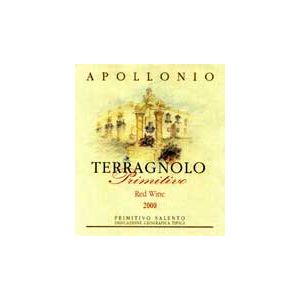
Apollonio Terragnolo Primitivo 2000 - Italy
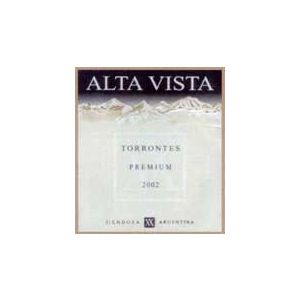
Alta Vista "Premium" Mendoza Torrontes 2002 - Argentina

Red Wines Only Featured Selections
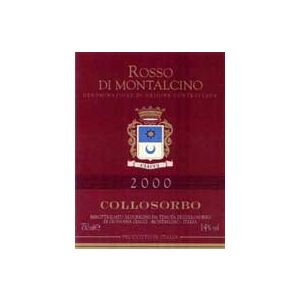
Collosorbo Rosso di Montalcino 2000 - Italy

White Wines Only Featured Selections
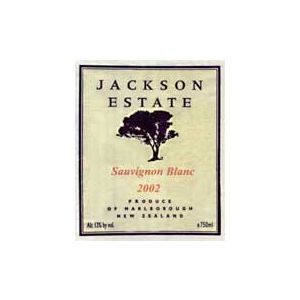
Jackson Estate Marlborough Sauvignon Blanc 2002 - New Zealand

Apollonio Terragnolo Primitivo 2000 - Italy

The Apollonio Winery was founded at the end of the 19th century in one of Italy's oldest and most important wine producing regions, Apulia. And before there was a winery at Apollonio, grapes had been grown in this area for more than two millennia. Presently, the winery and vineyards are owned and managed by two brothers, Massimilliano and Marcello Apollonio, who took over production of the estate after the death of their father. The focus of this ancient property is on several traditional wines, which reflect their respective DOC zones and the indigenous grape varietals for which southern Apulia is renowned. Moreover, in the last several years the winery's equipment and cellar have been modernized with a corresponding leap in quality.

Apollonio produces three excellent, but distinctly different wines. The most important is Primitivo Terragnolo, the most concentrated of the winery's offerings. This is a robust, full-bodied wine that is thought by many to be made from the ancestor of American Zinfandel. The other offerings are Salice Salentino and Copertino, which are wines that are made primarily from the traditional Negro Amaro and Lecce Malvasia Nera varietals. Each of these deeply colored wines are highly aromatic, lush on the palate, and laden with flavor. The Copertino is noticeably the lightest of Apollonio's wines, even though it exhibits a slightly deeper color and a bit more sophistication than the Salice Salentino. Nonetheless, it is the very bold Terragnolo Primitivo than has rightly garnered the most attention from critics. Recent vintages have yielded the some of Italy's finest Primitivo based wines and established Apollonio had the consummate producer of this ancient varietal.

Primitvo: The Missing Link

Primitivo, referring to the early ripening of this ancient varietal rather than any supposed rusticity, hails originally from Greece. It was most likely brought to southern Italy more than 2500 year ago by the Greeks, who named Apulia and the surrounding area Enotria land of the vine because of its natural proclivity for the production of wine. Today, Primitivo remains one of the most important varietlals in southern Apulia, especially on the Salento peninsula. In addition to being the earliest maturing grape variety in Europe, and perhaps the world, it is also capable of registering the highest sugar content of any grape, translating into the world's most alcoholic wine. In fact, Primitivo can garner enough natural sugar to produce nearly 19% of alcohol. Recent DNA evidence points to Primitvo as the forebear of California Zinfandel, a grape with which it shares many common characteristics, thereby ending the mystery surrounding the origin of Zinfandel.

Tasting Notes: Born in the sun-drenched Apulia, the 2000 Apollonio Terragnolo Pimitivo conjures all the sight, smell and flavor of this historical land. Purple, powerful, and packed with flavor, Apollonio's Primitivo is a heady potion that proffers plenty of Zinfandel like flavors. Aromatic berries, bramble, fennel and deep down barrel tones offer plenty of sensory pleasure, and display a tour de force in winemaking for Primitivo. In short, this is the finest example of Primitivo we have ever encountered. It combines all of the charm of the best California Zinfandels with the indelible, sunny stamp of Italy. Consequently, this round, smooth red packs a wallop that is hardly evident in the nose or flavor, which appear smooth an seamless. Apollonio admits to 14.5% of alcohol, but we would not be surprised to find the actual alcohol level to be in excess of 15%, which is well within legal guidelines. (Federal Law allows a plus or minus 1.5% leeway on stated alcohol levels). So consider yourselves forewarned, and enjoy! Like most examples of California Zinfandel, we find the Apollonio Primitivo to be best consumed fairly cool (about 60? F) and with a minimal amount of aeration: We prefer catching its full-throttle nose and flavor, as it opens in our glass. As Apollonio bottles their Primitivo unfiltered, some harmless, natural sediment may occur.

Accompaniments: Bring on the all the big southern Italian specialties you can imagine because the 2000 Apollonio Terragnolo Primitivo will take them all in stride. Whether it's a spicy fresh Pasta Arabbiata or a garlic laden black olive paste, nothing is going to push this wine around. More subtle favorites, such as homemade lasagna and traditional country Porcettas, are also great ways to highlight Apollonio's full throttle Primitivo.

Hunks of real Provolone or Parmesan cheese are other excellent accompaniments to the Primitivo, as are most Italian specialties. In addition to traditional tomato-based southern Italian fare, we also recommend that you try the Terragnolo Primitivo with pork, steak, stews, and most especially game. In our experience this wine will also enhance almost any dish served in a rich sauce or gravy. Even moderately spiced TexMex dishes can hold up to this robust offering, so the bigger the better; the sky is the limit. Enjoy!

Recipe for Red Wine:

Penne Tossed with Black Olive Paste

1 lb. Penne pasta - cooked & drained
¾ cup Calamata olives - pitted
¼ cup oil-cured olives - pitted
Juice of 1 fresh lemon
½ onion - chopped fine
¼ cup olive oil
3 Tb. Parsley - chopped
½ tsp. sugar
2 cloves garlic - minced

In a food processor or blender, puree olives together with garlic, onion and olive oil.

Place in a large skillet and stir in lemon juice, sugar, parsley. Heat skillet and turn to medium until olive paste starts to warm and add cooked pasta. Toss gently until mixture is heated through and well mixed. Serve with your favorite bread!

Alta Vista Premium' Mendoza Torrontes 2002 - Argentina

Alta Vista is a family owned winery in the sprawling province of Mendoza, Argentina's largest and most important vitcultural area. In fact, winemaking is the Mendoza's only important industry. Here in the mighty Mendoza, in the foothills of the towering Andes at an elevation in excess of 3500 feet, the D'Aulan family cultivates the finest and most traditional of Argentinean grapes: Torrontes and Malbec.

From the D'Aulan's pristine vineyards, many of which date from the 1940's, flow some of Argentina's most interesting and individual wines. And like all of the best hillside vineyards in the Mendoza, Alta Vista uses only the pure melting snows of the Andes to water its vineyards. In the Mendoza, rainfall is all but non-existent, but then again so are rot, mildew and the multitude of insects and vine diseases that afflict most other wine regions worldwide. At Alta Vista, which means high view, the grapes ripen slowly but completely due to the highest elevation and the sunniest weather of any viticultural area on earth. In the future, we can expect more good things from this up and coming producer.

Tasting Notes: Pretty wine, homely label!' Rarely, has the adage, you can't drink a label' been more accurate than with the 2002 Alta Vista Torrontes. If what lies within is what counts, the Alta Vista Torrontes is not afraid to stand and deliver. It offers a lovely bouquet of rose petals, lichee and delicate spice, followed by a mouth full of ripe fruit and an exuberant finish that reminds you that this wine is indeed dry, but not desiccated. We suggest serving the 2002 Alta Vista Torrontes well chilled (40º- 45º F) on a hot summer day. Enjoy!

Accompaniments: The 2002 Alta Vista Premium Torrontes is a fun summertime wine that craves food. We can recommend it with everything from apples to yucca, but many of our favorite selections remain tapas-style appetizers, stir-frys, spring rolls, and moderately spiced Asian dishes. The Alta Vista Torrontes is a natural foil to Vietnamese and Thai offerings, especially those dishes that have been prepared with lemongrass. White and red bean dishes do this wine justice, too. However, we must also put a plug in for serving the Alta Vista with a ripe avocado, stuffed with plenty baby shrimp. Yum!

Recipe for White Wine

Chilled Asian Shrimp

2 lbs. large shrimp - peeled & cooked
1 cup peeled carrots - julienned
1 cup broccoli florets
1 cup cauliflower florets
1 ½ cup snow peas
3 Tbl. rice vinegar
3 Tbl. soy sauce
½ cup sesame oil
1 Tbl. cider vinegar
2 cloves garlic - minced
Juice of 1 orange
¼ cup sesame seeds
1 cup vegetable oil
1 cup bok choy cabbage - cut-up
1 cup red bell pepper - sliced
½ cup shiitake mushrooms - sliced
1 Tbl. honey
2 tsp. spicy mustard

Blanch carrots, broccoli, cauliflower and snow peas separately until cooked but still firm. Strain and put all cooked vegetables in ice water together to keep from cooking further. To make dressing, in a mixing bowl, combine the vinegars, oils, garlic, orange juice, mustard, sesame seeds, honey and soy sauce and mix well.

In a large bowl, combine the shrimp, cooked vegetables, red peppers, bok choy cabbage pieces and mushrooms. Pour dressing from other bowl over shrimp and vegetables, toss together until well mixed and refrigerate one hour.

Collosorbo Rosso di Montalcino 2000 - Italy

Editor's Note: As an international wine club, we rarely feature two wines from the same country in the same month, but this month we are making an exception, simply because we believe the 2000 Collorsorbo Rosso si Montalcino offers extraordinary quality and value. Besides, Italy is the world's foremost producer of wine, in both the sheer number of varietals it grows and the distinctly different wines it produces. Consequently, this allows us to offer you two very different, but equally exciting wines. We trust you will enjoy them as much as we have.

The Ciacci name is one of the most ancient and revered names in Tuscany. One 15th century scion of this noble family, Enea Silvio Piccolomini, even wore a pope's tiara, reigning as Pope Pius II. Today, this relatively young, forty acre property, located adjacent to the more famous Ciacci Piccolomini estate, prefers the production of gustatory pleasure to the pursuit of papal power.

Collosorbo's vineyards lie on deep red, iron rich soils that possess perfect southern exposure. From this estate's hillside vineyards flow only two wines: an intense brooding Brunello di Montalcino that requires significant aging and a round, generous, thoroughly captivating Rosso di Montacino that is charming even in its youth. Both wines are made from 100% Sangiovese Grosso, which is known locally as Brunello. One taste of Ciacci's Rosso si Montalcino and you will know why it has been likened to a self satisfied athlete in mid season form.'

Tasting Notes: Deeply robed, powerful, and assertive, the 2000 Collosorbo Rosso di Montalcino offers more than a mere hint of the greatness of Brunello di Montalcino. In fact, this Rosso di Montalcino is better than many of the more renowned Riserva Brunellos we have tasted. The aromatic redolence of black fruits, truffles, and the terroir of Tuscany haunt the senses. Silky fruit and a deep down plummy flavor that is best described as liqouroso fill the mouth and caress the palate. So, what more could one want? How about a cellar full of this expressive, Tuscan treasure and a local chef, adept at preparing award winning meals to complement the best that Montalcino has to offer? We suggest consuming the 2000 Collosorbo Rosso di Montalcino either immediately upon opening or after an hour or more of breathing. And, as with most fine Italian reds, we suggest serving the Collorsorbo Rosso di Montalcino at cool room temperature.

Accompaniments: Grilled beef, lamb, or veal provide wonderful traditional Tuscan partners to the 2000 Collosorbo Rosso di Montalcino, but this Ciacci wine offers more than a traditional accompaniment to local favorites. Hearty beef or lamb stews; herb infused risottos, served with fresh pork tenderloin sausage; and rotisserie chickens, prepared with butter, garlic, and just about any Mediterranean herbs you can imagine, also provide wonderful accompaniments to Collosorbo's hearty, but very sophisticated Rosso di Montalcino. Good old fashioned American fare will more than fill the bill, too, so don't be afraid to rustle up your favorite home cooked meal, served with mashed potatoes and all. Indeed, the Collosorbo is quite versatile. Enjoy!

Jackson Estate Marlborough Sauvignon Blanc 2002 - New Zealand

It has been more than one hundred and fifty years since Adam Jackson grew bountiful crops of wheat, oats and barley on the rich river silt soils of Marlborough's Wairau Plain. Today, Adam Jackson's great-grandson, John Stichbury produces some of New Zealand's most lauded wines on that same block of land and Marlborough is New Zealand's most important and not surprisingly most innovative viticultural area.

At Jackson Estate a lofty gum tree, which once provided welcome shade for Adam Jackson and his team of horses to rest from tilling the soil, now overlooks row upon row of pristine vineyard. The timeless silhouette of this image against a clear sky has become an emblem of the family's long link with the land, and appears on the estate's wine label. This silhouette also serves as a reminder of the loneliness of the pioneer and the isolation inherent in the pioneering spirit.

Fired by the same enjoyment of adventure and challenge that prompted New Zealand's early settlers to leave home and hearth for a new life in the colonies, John Stichbury, and other gentlemen farmers in Marlborough ventured into the noble endeavor of grape growing. Tempering an innovative spirit with practical wisdom gained in years of growing agricultural crops, Stichbury planted his first grapevines in 1988 and never looked back. Moreover, in 2001 Stichbury and most other premium Marlborough producers made the bold and daring decision to begin using screw caps, instead of corks, on all of their estate bottled wines. (See our ongoing Ask the Panel feature in last month and this month's newsletter.)

Experience and inspiration have proved to be a winning mix for Stichbury, whose Jackson Estate wines have gone on to consistently win many awards and medals both in New Zealand and abroad. And more importantly, Jackson Estate's reputation for consistent quality and full-of-fruit flavor means the bottles seldom spend long on the shop shelf. In fact, we once again had difficulty procuring enough of this estate's superb Sauvignon Blanc.

Tasting Notes: Jackson Estate is truly one of the most consistent wines estates we have encountered. In every vintage, this estate seems to have the uncanny ability to clone its sublime Sauvignon Blanc, and the 2002 Jackson Estate Sauvignon Blanc is no exception. It exhibits the telltale bouquet and flavor of tropical pineapple, fresh mown grass, gooseberry and ripe melon, infused with lichee and traces of other exotica. Reminiscent of a good French Sancerre or Pouilly Fume, the Jackson Estate is balanced by a crisp acidity. In short, the 2002 Jackson Estate Sauvignon Blanc is a distinctive and consistently delicious Marlborough Sauvignon Blanc a wine that captures all the finest attributes of Sauvignon Blanc and epitomizes the unique character of the region. Enjoying near cult status for its expressive, personality-filled wines, it's easy to see why this estate was awarded classic wine status in New Zealand for its work with Sauvignon Blanc. Serve moderately chilled.

Accompaniments: In New Zealand, steamed mussels are considered the premier accompaniment to the 2002 Jackson Estate Sauvignon Blanc, and we certainly wouldn't take issue with that notion. In fact, just about any bivalve, prepared in a myriad of ways, makes us want to break out another bottle of this first class Sauvignon Blanc. Well-prepared Low Country dishes also provide other memorable pairings, especially a classic Charleston Shrimp and Grits. The Jackson Estate holds up beautifully to the tasso cream sauce in the Shrimp and Grits and highlights the myriad of flavors in this grand old recipe. A seared Ahi Tuna, served rare with a flavorful Tahini sauce is another winning combination with the Jackson Estate. Actually, most fish, light pastas and even sausage dishes will also provide rewarding accompaniments to the 2002 Jackson Estate Sauvignon Blanc. Enjoy!

Ask the Panel: To Screw or Unscrew the Cap?

Editor's Note: This question first appeared in last month's newsletter. In order to properly respond to this timely question and provide our club members time to savor this issue, we chose to wait until this month to print the entire response. The initial question, as well as the entire response, is being printed in this month's newsletter for the sake of continuity.

Question: Recently, while shopping in a local wine shop that enjoys a great reputation for its quality selection, I noticed a number of wines finished by a screw cap. I was shocked to see so many moderately priced, and even expensive wines finished in this way, even a couple of wines I had drunk before that were previously cork finished. Afterwards, I made a comment to one of the store's wine consultant's to the effect of: Screw caps, what is this world coming to? To my surprise, the young man shot back: You had better get used to it. Lots of high quality producers are using screw caps or at least experimenting with them. Almost all New Zealand wines are already finished in this way, and that's just the beginning. They work. He then excused himself, and ran off to help another customer. What do you make of all this? Does this young man know what he's talking about? And why would any quality conscious winery even consider putting its wines into a bottle that has a screw cap?

Response: Well, before we comment on your experience or respond to your questions, which by the way are quite timely and presently, are being discussed and pondered by many others in the wine drinking world, including savvy consumers, distributors, importers, restaurateurs, and wineries, the panel has a few thoughts on the subject.

First, to the member, each panel member enjoys the evening ritual of pulling the cork or corks from the many wines we taste and enjoy. We like the sound of the cork exiting the bottle, ushering the promise of yet another pleasurable moment with family or friends. And we wish we had a dollar for every time one of our senior members has made the remark, is that the symphony I hear, upon hearing the music of cork as it sings from the bottle. Corks are traditional. They are, also, romantic in their odd way. They are aesthetically pleasing, and we have just plain gotten used to them. In short, we're in love with corks, simply because we have grown accustomed to them, and like Pavlov's dogs we associate the end result with the stimulus. However, there is more to this story than simple association, mere tradition, and personal preference.

So, to answer your first question, we have ambivalent feelings about replacing real corks with anything but genuine cork. Nevertheless, the reality of the situation dictates otherwise. Natural cork is a limited commodity. It is the refined bark of the cork oak, which grows only in certain Mediterranean climates and locales. Moreover, it takes decades for a cork oak that has been harvested or flayed if you will to once again bear sufficient cork for our precious wine bottles. In a world enamored of wine, the supply of cork simply cannot keep up with demand. There just isn't enough genuine cork to go around, and even less high quality cork to be had. Hence, the plethora of alternatives: composite corks, hybrid corks, synthetic corks, and now screw caps. Each has its attributes as well as its drawbacks, with the exception of the screw cap whose only downside is its lack of aesthetic appeal. Aside from aesthetics, the modern screw cap is the perfect seal for most wines. It provides an airtight seal, rarely leaks and never spoils or imparts an off taste or smell to a bottle of wine. The same cannot always be said for genuine cork or the pseudo corks' we find closing many wines today.

In short, or should I say long, the young man you encountered is right. Whole wine regions and consortiums have begun adopting screw caps. In the case of New Zealand, one of the world's most quality conscious wine producing nations, screw caps have already been adopted by nearly all of the country's leading white wine producers, and it is only a matter of time before many premium red wines in that country and elsewhere are sealed with a cap, too.

Many top-notch California producers are toying with the idea of using screw caps and a sizeable number of those wineries plan to introduce a screw cap to one or more of their wines in the future. In fact, many would already be using screw caps, if it weren't for the connotation that the screw cap closure has heretofore conveyed; namely, the wine sealed in such a manner is cheap and hardly worth the consideration of the serious wine aficionado. That outmoded stereotype is certainly not valid today, and will be even less so in the future.

Simply put, screw caps are both effective and economical, so we are bound to see more and more of them. We don't love their aesthetic appeal, but they do keep wine fresh, especially the whites, so indeed, we applaud the screw cap's results. Consequently, we won't thumb our noses up at wines that have a cap; we will simply unscrew the cap and enjoy the wine within the bottle for the content of its character and its inherent quality, rather than the cap that finishes its bottle. To do otherwise would be un-American. Besides, in the more than six thousand years of recorded wine production, cork closure only occupies a scant two to three hundred year history. In addition, many 18th century consumers eschewed cork on aesthetic grounds, just as many contemporary consumers arbitrarily thumb their noses at the screw cap. Indeed, time will soon tell if the preferred paradigm of wine closure is about to change.

Double Trouble in California's Vineyards - Part IV
This feature article is being published in four parts. Parts I, II, and III appeared in previous months' newsletters.

Since there is no cure for phylloxera, the only hope for vinifera vines and their renowned wines is the management of the phylloxera problem. Consequently, in order to manage this scourge, resistant root systems become the key to controlling the disease. European varietals must be grafted onto North American rootstocks. In other words, Chardonnay, Cabernet, and other European vines are grafted onto the resistant root systems of native North American varietals. This successful practice was first used in the 19th century in Europe, and it remains the only treatment for phylloxera today. It is, also, the only reason that Europe's vinifera vineyards can exist today and the only way California and all other American states can grow European varietals.

Sadly, during the 1970's California wine boom, many of that state's new or replanted vineyards were grafted onto non-resistant or marginally resistant root systems, in the belief that phylloxera was no longer a problem. Unfortunately, all of those optimists have discovered that the dreaded vine louse is alive and well, and as virulent as ever. This has necessitated the replanting of countless vineyard properties onto more resistant rootstock. This monumental, ongoing effort is costing vintners and consumers millions of dollars, and will no doubt continue to do so. In the meantime, we will all have to grin and bear the present situation, content in the knowledge that California remains the fourth largest producer of vinifera wines in the world, in spite of its spate of indigenous vine maladies.

For Members Only

Give Your Friends FREE Beer, Wine, Cheese, Chocolate, Cigars & Flowers!
Through our Customer Appreciation Program

Your name has real value to your friends, co-workers, and family members! Every time a friend, family member, or anyone else you know joins any one of our clubs, [or gives a gift] for 3 months or longer, we'll give them 50% off of their first month, but only when they mention your name. And we'll also give you 50% off your next month too which can either be applied towards your current membership or you can try one of our other Clubs out! (We can add one more month to your order at 50% off for prepaid memberships!)

The Fine Print: Members giving gift memberships do not qualify for referral credits and you can't give yourself a gift to qualify! This Program is mutually exclusive of any other promotions.

Membership Q & A

Note: Please do not use the web site to make any account related information changes such as address or billing changes, membership extensions, or terminations. To ensure timely processing of your request, please call us at 800-625-8238.

Q: What can I do if I’m having difficulty receiving my shipment at home?
A: You should consider having our discrete box delivered to your work location or to a neighbor 21 yrs. of age that can receive it for you. The box is brown corrugated cardboard and doesn’t say “Wine” on it anywhere. Consider having it shipped to your work location as many of our customers do.

Q: What should I do if I’m moving or want to extend my membership?
A: Please call us prior to the 9 th of the month to make all account related information changes such as address changes, membership extensions & terminations, or gift accounts desiring to continue their memberships. Address changes made after that time may require a repackaging and re-shipping charge and will incur a $5.00 service charge from UPS that will be charged to your account.

Q: What happens if my shipment is damaged?
A: If your shipment arrives damaged, please call us immediately toll free at 1-800-625-8238 and report the incident for a prompt resolution.

Q: What happens if my credit card is declined?
A: We will send you a courtesy notice asking you for an alternative payment method and your order will be temporarily suspended until we hear from you. As we incur a $ 2.00 re-processing fee each time your card does not clear, that charge is passed on to you.

Q: What happens if I join under a special incentive program and don’t stay a member for the entire term committed?
A: Not a problem. Although we want to do everything we can to keep you as a member, we will allow you to cancel your subscription early, however, you will be responsible to pay for the item which was given to you as part of the promotion. If you received a discount based on a specific term, the amount discounted will be charged to your card.


logo for wine club
Since 1994
Home
Join Our Wine Club
Gift Memberships

Membership Renewals
Reorder Your Favorites
Wine of the Month Club
More Information
Current Selections
Past Selections
Testimonials
Other Gourmet Gifts
Corporate Gifts
Wedding Gift Ideas
All About Wine
Website Tools
Who We Are
Contact Us

1 - 800 - 625 - 8238
(Outside US call: 949-206-1904)
P.O. Box 1627, Lake Forest, CA 92609