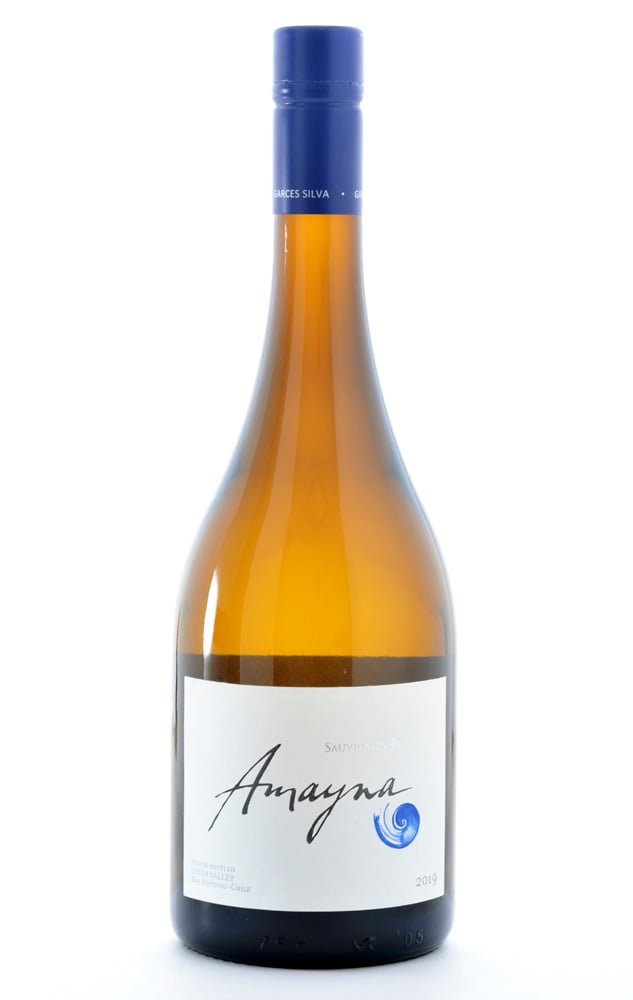
Sauvignon Blanc is a premium white wine grape that for all intents and purposes is indigenous to Bordeaux. Yet, in Bordeaux Sauvignon Blanc has traditionally been blended with a percentage of Semillon and other grapes to create a special flavor profile all of its own. This stands in contrast to the 100% varietal offerings from France’s Loire Valley, most notably from Sancerre, Pouilly-Fumé, and increasingly Menetou-Salon, whose wines remain some of the world’s truest expressions of the grape. Other French appellations have mostly followed suit, preferring 100% varietal bottling so as not to diminish Sauvignon Blanc’s inimitable characteristics.
In the New World, winemakers mainly follow the Loire Valley’s lead in bottling Sauvignon Blanc as a single varietal. In California, Sauvignon Blanc is sometimes called Fumé Blanc, a relic of a marketing ploy that popularized the grape, but confused the consumer since there is no clear-cut difference in California between wines labeled Sauvignon Blanc and Fumé Blanc. In the past three decades, Argentina, Australia, Chile, New Zealand, and South Africa have proven to be equally adept at producing excellent Sauvignon Blancs. Each country appears to have developed a unique variation on the same theme. Yet, what nearly always distinguishes Sauvignon Blanc is its distinct aroma, which resonates with citrus, herb and freshly cut grass scents that range from almost imperceptible to nearly intoxicating.
Sauvignon Blanc makes a particularly compelling companion to seafood, hors d’oeuvres, tapas, and warm sunny days, and unlike Chardonnay, which possesses an affinity for extensive oak barrel ageing, Sauvignon Blanc eschews oak. Instead, it prefers to allow its bold, distinctive flavors to do its bidding.