Vol. 7 No. 5
Standard Selection - (1) Red, (1) White
Vina Sastre Roble Ribera del Duero 2000 Spain
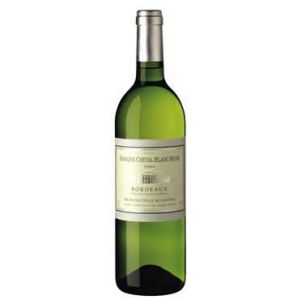
Domaine Cheval-Blanc Signé - Bordeaux Blanc 2002 France
Red Wines Only Featured Selections
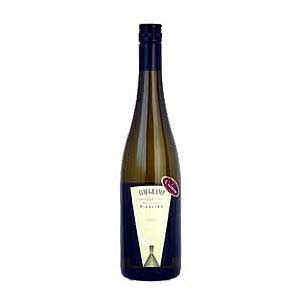
Tim Gramp Watervale Riesling 2001 Australia
White Wines Only Featured Selections
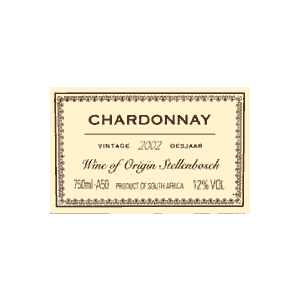
Lanzerac Stellenbosch Chardonnay 2002 South Africa
Vina Sastre Roble Ribera del Duero 2000 Spain
Hermanos Sastre is a family-run winery in the heart of the Ribera del Duero, Spains most revered wine region. Sastre boasts some of the oldest and finest vines in the entire Ribera del Duero Denominacion de Origen (D.O.), a region whose wines are the most expensive in Spain and the most widely sought on the international market.
Until recently, the Sastre brothers, Pedro and Jesus, ran Sastre. They inherited their prime vineyard sites in the Burgos region of Ribera del Duero from their father and grandfather. Tragically, Pedro died suddenly in December of 2002, leaving Jesus with the family winery and a great store of wine that he and his brother had worked so hard to create.
Pedro was Sastres primary winemaker and its window on the world, while Jesus had always tended the vineyard and overseen the agricultural side of winemaking. By all accounts, Pedro was a true bon vivant. He loved to take special visitors through an extensive barrage of barrel tastings, followed by memorable meals that even the most committed gourmands have described as incredible. His brother and all who knew him sorely miss him. Yet, it seems that most great artists, poets, writers, and even scientists become more known to the general public in death than in life. They leave a legacy for the rest of us to treasure and a spirit to savor, and indeed this scenario is once again being played out in the case of Pedro Sastre, whose treasure trove of magical wines are becoming increasingly popular and highly sought after since his untimely death. We invite you to taste and see the goodness of Vina Sastre, while you rest secure in the knowledge that this winery will continue to put out pure, flavorful wines of distinction under brother Jesuss tutelage.
Although often in the background in the old days, Jesus is and has always been a driving force in the success of Vina Sastre. He is committed to organic farming and biodynamic agricultural principles and is considered and expert in the field of sustainable viticulture. In addition, the wines at Vina Sastre are never fined or filtered, nor are they artificially cold stabilized; all stabilization is done naturally by moving the wine from the barrel room to separate tanks in a part of the winery where the temperature is naturally regulated by the outdoor temperatures.
Tasting Notes: Charming, elegant, and impeccably balanced, the 2000 Vina Sastre Roble is pure charisma in a glass, and a veritable crowd pleaser, too. Exhibiting a seductive array of beguiling scents and flavors, the Vina Sastre is eminently drinkable and just about impossible to resist. Ripe current fruit, an expressive cigar box scent, and that oh so much more the French refer to as je ne sais quoi make this medium-bodied, unfiltered, purebred Tempranillo a clear standout among its peers. Unequivocally, the Roble is one of the most irresistible Spanish reds we have encountered in quite some time and we havent even mentioned the Robles well-integrated cachet of new oak and its alluring, utterly satisfying finish. We suggest serving the Vina Sastre Roble at about 65º F, after allowing it to breathe for a half hour. Since the Roble has been bottled unfiltered, some may prefer to decant it, as some harmless, natural sediment may form with additional time in the bottle.
Accompaniments: del Duero, lamb seems to be the traditional favorite of the local cognoscenti and not surprisingly the tasting panel echoes those sentiments when pairing the 2000 Vina Sastre Roble with food. However, as tasty as chops, legs, shanks (and as pleasurable as this wine is, perhaps, even the wool, too) of lamb may be in the company of the Roble, there is no need to typecast this rising star. A good old-fashioned steak from the grill, sizzling fajitas, a spicy black bean and chicken chili, a brick oven baked calzone, or Veal Pizzaiola (veal in a cherry tomato and Kalamata olive sauce) all provide diverse but equally memorable complements to the Vina Sastra Roble. In fact, most grilled meats and vegetables pair well with the Roble. One of the panels favorites is Portabella Mush-rooms that have been marinated in high quality balsamic vinegar, then lightly grilled with a little rosemary and thyme. Come to think of it, just about everything we have tried so far with the Roble has been a hit, even no accompaniment at all. Typically, Spanish reds require food to shine, but the 2000 Vina Sastre Roble needs no additional accoutrements or support, save for a clean glass. Enjoy!
Red Wine Recipe
Barbecued Beef Brisket
4-6 lb. brisket untrimmed 2 Tbl. white vinegar
1 cup ketchup 1 cup water
G cup minced onion 2 Tbl. prepared horseradish
2 Tbl. mustard salt & pepper to taste
Combine all ingredients into a bowl except the brisket. Mix well. Place brisket (fat side up) in a large baking dish. Pour mixture of ingredients over meat, cover with plastic wrap and refrigerate for 2-3 hours.
Remove plastic wrap and bake (covered with foil) at 300 degree for 3-4 hours.
Domaine Cheval-Blanc Signé - Bordeaux Blanc 2002 France
Domaine Cheval-Blanc Signé is located in the Haut-Benauge region of Bordeaux near Entre-Deux-Mers, an area known for the production of exceptional white wines. This property has been in the Signé family for over 150 years. The current proprietor, Alain Signé, runs this little bijou of a property with meticulous care, producing fresh, lively, white Bordeaux in the classical style.
Domaine Cheval-Blanc Signé fashions its fine, classic style of white Bordeaux from old vines. All three of the traditional white Bordeaux varietals are grown in the clay, gravel and limestone soils of the property and each is used in the final blend. Typically, the final cepage at Domaine Cheval-Blanc Signé includes 60% Semillon, 30% Sauvignon Blanc, and 10% Muscadelle (a traditional white Bordeaux varietal that yields dry aromatic white wine but bears no relation to what most consumers know as Muscat or Muscatel). Production is small at this estate; on average only 1600 cases of wine are produced in any given vintage. To protect the finished product, the domain utilizes the heavy, more expensive old style Bordeaux bottle as a final assurance to the consumer that the utmost care has been taken to provide the highest quality product.
Bordeaux: The Worlds Most Renowned Wine
Bordeaux is the worlds largest fine wine producing region, encompassing more than 500,000 acres and dozens of individual appellations and communes. Communes such as Margaux, Pauillac, and St. Emilion are legendary as are the scores of collectible wines that flow from their vineyards. Indeed, the wine wares of Bordeaux, (both the region and its wines are referred to as Bordeaux), are some of the finest and most expensive on earth. Furthermore, this renowned viticultural region, which has become synonymous with full-bodied red wine, is also the traditional home of Cabernet Sauvignon, Merlot, and Cabernet Franc, the three musketeers of almost all red Bordeaux and the basis for Meritage blends around the world. And what remains unknown to many consumers is that Bordeaux is also one of the planets largest and greatest sources of white wine, principally from Sauvignon Blanc and Semillon.
Bordeaux, meaning beside the waters, refers to the regions proximity to the Atlantic Ocean and the broad estuary, the Gironde, for which the entire viticutural department (the equivalent of a county or state in the United States) is named. Bordeaux, the region as well as the departments leading city, lie at the center of the confluence of the Dordogne and Garonne Rivers, which flow into the Gironde, which redoubles Bordeauxs effort to live up to its name. Moreover, it is Bordeauxs propinquity to the sea that provides a stable, moderate climate, which is favorable to the production of fine wine. This marriage to the sea has also provided the historical highway by which Bordeaux wines have traveled the world, gaining esteem and recognition long before most other landlocked wine regions were able to safely transport their wines overland to eager markets.
Since the first century BCE, when the Romans established themselves in Bordeaux and referred to the area as Biturigiaca, this ancient viticultural paradise has been a constant source of fine wine. Known to the emperors of Rome, poets, (most notably Pliny and Ausonius), and popes, Bordeaux has enjoyed the envy of the wine producing world longer than any other wine region on earth. From Pliny to the most contemporary wine critics, including Robert Parker Jr., Bordeaux wines have never gone out of favor. Besides, what other wine region can claim three millennia of continuous production and millions of satisfied customers?
Tasting Notes: Fresh as a summer breeze, the 2002 Domaine Cheval-BlancSigné caresses the nose and palate with a bracing freshness and the light but haunting waft of pineapple, melon, and grapefruit married to the alluring scent of the sea. In other words, the 2002 Domaine Cheval-Signé is white Bordeaux at its best. It combines delicacy and ethereal charm with plenty of flavor. Light to medium bodied, this dry white knows how to charm . and does it ever go down easy. It reminds us of the early days of June and the promise of summer; it recalls the sound of the sea as it beckons bathers into its cool cleansing tides, which wash away the weather stained cares of every day life. So, take a bottle or two and head for the beach, or if you cant make it to the nearest strip of good sand, but you are still in need of a halcyon day, the Domaine Cheval-Blanc Signé will more than fill the bill. The Domaine Cheval-Blanc is summer in a bottle, or better still summer in a glass your glass. Like all white Bordeaux, we suggest that you serve the white Cheval-Blanc Signé ice cold: you can always allow it to warm just a tad in the glass for extra flavor. Enjoy!
Accompaniments: Seafood and the fruits of the sea provide excellent accompaniments to the 2002 Michel Picard Pouilly-Fuissé. Whether baked, grilled, poached or sautéed, fresh flounder, sole or sea bass pair beautifully with this elegant white wine. Scallops, shrimp, lobster, and prawns offer other tried and true pairings. However, a bowl full of mussels, sautéed in a light saffron cream sauce, remains our perennial favorite. Chicken fricassee works well, too. However, the glory of Pouilly-Fuissé, and the Michel Picard is no exception, is its ability to shine on its own, unadorned or obliterated by food. Indeed, the 2002 Michel Picard Pouilly shines in the company of a single, thin, well-made glass and supplies the aperitif par excellence. Better still, call a friend and pour two glasses then wait for the enchantment to begin.
White Wine Recipe:
Chicken Fricassee
1 large stewing chicken cut-up 1 onion
1 cup flour 1 tsp. salt
5 Tbl. butter 3 egg yolks - beaten
3-4 cups chicken broth 1 cup heavy cream
Coat the chicken pieces with I of the flour. In a heavy fry pan, melt 2 Tbl. butter and ad the
chicken until the flour coating just begins to crust up. Add the chicken broth and whole onion, bring to boil, reduce heat and simmer uncovered for 45 minutes. Remove the chicken and onion. Keep the chicken warm and discard the onion.
In a separate pan, melt remaining butter, Add 3 Tbl. flour slowly to form a roux. Simmer on
low heat for 5 7 minutes and add the beaten egg yolks quickly and then the cream. Add the
entire mixture to the chicken broth mixture and stir over medium heat until thick. Pour over the chicken and serve!
Tim Gramp Watervale Riesling 2001 Australia
Tim Gramp is one of the stars and unsung heroes of the Clare Valley, one of South Australias most important and historical wine regions. In Australia, the Clare and nearby Watervale have become synonymous with the continents finest Riesling, producing racy, full-flavored wines with a distinctive citrus, lime twist that rarely appear too austere or too sweet, even when young. With a few years in bottle, these magical Rieslings, which are all the rage in Australia at present, take on more overt tropical fruit flavors and lengthen considerably in the mid palate, without the kerosene or diesel fuel flavors often seen in older Rieslings from other areas of Australia and elsewhere. Most assuredly, Americans will one day discover the virtues of fine Riesling and the magical wares of the Clare and its budding environs. However, what most consumers dont realize, even in Australia, is that this magical corner
of South Australia also produce fine red wines in addition to glorious whites.
The affable TimGramp produces a splendid Watervale Riesling to complement several very exciting Cabernet and Syrah based reds. And if anyone in South Australia should know a little something about grape growing and winemaking, Tim Gramp certainly should. The Gramp family has been making wine in Barossa and McLaren Vale since the first German settlers arrived there in the 19th century. Tims forebear, Johann Gramp planted the first vines at Jacobs Creek in Barossa in 1847. Its nice to know that the pioneering spirit is still alive and well, and there is yet another Gramp at the press.
And what brought Gramp to the Clare and Watervale? By his own volition he admits it is the unspoiled landscape and affordable terra rossa soil. They furnish him with the wherewithal to produce excellent wines for those who know good wine, but by fate were not fortunate to be born millionaires. Thank you, Tim. May your reward be great in heaven as well as on earth. After all, even winemakers have to eat on occasion.
Accompaniments: All the classic Italian American specialties (Eggplant Parmigiana, Lasagne, Veal, Scallopine, etc.) provide excellent accompaniments to the 2001 Fattoria Le Terrazze. However, if you are looking for something more, you need not look any further than the traditional cuisine of the Marches. Although simple in comparison to the heavy rich fare of Piemonte, Marchesan cooking is always quite flavorful, rich, and varied. Brodetto, the highly charged local rendition of bouillabaisse, smoked meats, such as salami, or just about any type of game all provide fine complements to the Ternis Rosso Conero. Yet, it is Porchetta, the Marches version of a whole, roasted suckling pig, which is stuffed with onion, herbs, garlic and wild fennel that constitutes our favorite accompaniment to the 2001 Le Terrazze Rosso Conero.
Tasting Notes: The 2001 Tim Gramp Watervale Riesling is perhaps the ultimate expression of noble dry Riesling in South Australia. A pale but luminescent robe catches the eye but hardly prepares the taster for the multitude of scents and savors that emerge from this beautifully made wine. A squeeze of lime, citrus oil, along with traces of exotic fruits caress the nose, while a long textured center blossoms with prolonged airing and hints of minerals, spring flowers, and tropical fruit. A complete Riesling, the 2001 Tim Gramp finishes as refreshing and pleasing as it begins. Serve this comely wine quite cool (40º-42ºF) and then allow it to breathe and slowly shed it chill; it will bloom in the glass. And if you think it tastes good now, just lay a few bottles down and see what magic is in store for you.
Lanzerac Stellenbosch Chardonnay 2002 South Africa
Lanzerac Estate is a jewel of a property, located in Stellenbosch, on the Cape of South Africa. Since its inception in 1692 (indeed, the South African wine industry has been around that long), Lanzerac has been one of the finest producers of wine in South Africa and enjoyed critical international acclaim. Lanzerac is the first South African wine estate to be featured by C&H because we believe it is the best of the scant few, bona fide wine estates in South Africa that consistently produce world class wine. In fact, this estate turns out exceptional wines of extraordinary value, which bodes well for consumers and the likelihood that we will see and taste more offerings from this property in the future.
Under the leadership of Christo Wiese, who purchased the estate in 1991, Lanzerac has claimed its rightful place among the worlds leading wineries. Weise upgraded all of the propertys vineyards and built a new modern winery in 1996, just as South Africa was emerging from decades of political and economic oblivion under Apartheid. His efforts highlight the estates excellent wines and showcase the enormous viticultural potential of Stellenbosch, not to mention all of South Africa.
Set amid the stunningly beautiful scenery of the Cape, Lanzerac stands as a beacon of progress and a guide for other aspiring South African wine estates. Presently, it produces outstanding Chardonnay, Cabernet Sauvignon, Merlot and Pinotage for export. The Chardonnay and Cabernet Sauvignon have so far garnered the most fanfare, winning gold medals and four-star ratings from European publications. In addition to crafting fabulous wines, Lanzerac operates the only luxury five star hotel/winery in Africa.
Accompaniments: If there were ever a case for serving the finest food with the most sophisticated wine, the 2002 Lanzerac Chardonnay is the case in point. This is not your ordinary Chardonnay, so put on the apron and lets get to work. Our first suggestion is a visit to the best fish market in town. Steamed lobster provides an excellent complement as does a perfectly cooked oven roasted Atlantic salmon, served with salmon caviar and braised creamy endive. Lobster ravioli is another heavenly companion. And for those who prefer anything other than seafood we suggest tri-colored tortellini, served in a savory cream sauce with fresh garden vegetables or chicken crêpes, topped with a well-prepared cheese or cream sauce. Enjoy!
Tasting Notes: The 2002 Lanzerac Stellenbosch Chardonnay is a classic Burgundian- style Chardonnay that offers a beautiful deep straw color, a wonderfully rich nose, and oodles of flavor. Citrus, vanilla cream, and dry butterscotch flavors caress the nose and palate where they mingle with a light, lovely cachet of spice that spells breed. No doubt, the Lanzerac is one sophisticated Chardonnay; each sip reveals another flavor or subtle charm that has unobtrusively been kissed by oak. Furthermore, each swallow of this Chardonnay culminates with a delightfully well-balanced finish that speaks of the essence of the grape. In short, it is hard to get enough of this elegant, but mouth-filling dandy. We suggest that you serve the 2002 Lanzerac Chardonnay between 45º and 50º F for optimum enjoyment, so as not to miss an iota of the wines flavor.