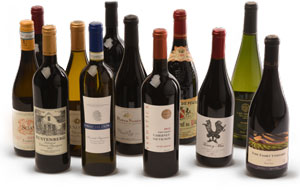
Welcome to The International wine of the Month Club

Past Newsletters

Vol. 5 No. 3

Standard Selection - (1) Red, (1) White
Altos Las Hormigas Malbec 2000 - Argentina
Bonterra Vineyards Mendocino Chardonnay 2000 - U.S.A.

Red Wines Only Featured Selections
Condado de Haza Tinto Ribera del Duero 1998 - Spain

White Wines Only Featured Selections
Nepenthe Vineyards Adelaide Hills Sauvignon Blanc 2000 Australia

Altos Las Hormigas Malbec 2000 - Argentina

Altos Las Hormigas is the hottest new boutique winery in Mendoza, Argentina. Situated at an altitude of 2500 feet at the base of the towering Andes, the Altos estate specializes in the cultivation and production of outstanding Malbec. Presently, the 475-acre estate has 75 acres of vines under cultivation, all of them in Malbec.

Formerly known as Altos de Mediano when it released its debut vintage in 1997, Las Hormigas changed its name in 1999. This paved the way for the estate to use very old vines of Malbec from outside of the immediate geographic area of the property, which is in the region of Medrano. Now under the ownership and direction of Marco de Grazia, whose portfolio of great Italian estates is second to none, Altos Las Hormigas is producing sensational Malbec from old vines.

Indeed, if there is a single great varietal in Argentina, it is Malbec. Malbec is a French red wine grape that traveled to Argentina well over a century ago from Bordeaux. In Bordeaux, where it is sometimes referred to as Cot or Pressac, it plays an important, but subordinate role alongside of Cabernet Sauvignon, Merlot and Cabernet Franc. However, around Cahors in Southwest France, Malbec remains the major player, accounting for the traditional, full-flavored "black wine" of Cahors. It is with this excellent, dark colored Cahors-style Malbec that Altos Las Hormigas excels, transforming the great color, flavor and tannin of the noble Malbec into velvet.

Argentina and the Mighty Mendoza

Argentina has long been one of the world's leading producers and consumers of wine. Presently, this sprawling nation, containing some of the world's most diverse geography: tropical jungle, barren desert, towering snow-capped mountains and windswept deserted islands that herald Antarctica, is the world' fifth largest producer of wine and the planet's third largest consumer of the fruit of the vine, placing it just behind Italy and France.

It was the Jesuits, with a fervor for faith matched only by their desire to cultivate the seeds of civilization, who first brought the vine to the land of the pampas in the 16th century. Father Cedron, a Jesuit missionary from Spanish Mexico, is believed to have planted the first vineyard in what is now Argentina in 1556. His early plantings survive as the Criollas grape variety, producing light red and rose wines. Once the most widely cultivated grape varietal in Argentina, the ancient Criolla is now giving way to Chardonnay, Torrontes, Cabernet Sauvignon, Merlot and most importantly, Malbec.

Although Argentina acknowledges its viticultural debt to the early Spaniards who settled it, the modern tale of Argentine wine really begins with the Italian migration of the late 19th century. Settling in the dry Mendoza at the base of the Andes, these Italian immigrants began to sluice the snow waters from the mountains out over the vineyards, causing the desert to bloom. In less than a century, the Mendoza, a state approximately the size of Illinois, has become Argentina's leading wine producing region, accounting for the vast majority of the nation's production and more than half of all the wine made in South America.

Driven by Argentina's seemingly insatiable thirst, as well as the burgeoning worldwide demand for wine, particularly well-made reds, the "Mighty Mendoza" now comprises some 700,000 acres of vines, and is still growing. The vast majority of wine from the arid, nearly insect-free environment of Mendoza is red, and happily the quality of these wines continues to grow exponentially. The recent attention to quality is much to the delight of North American consumers astute enough to notice the myriad of fine Mendoza offerings and not hold the region's previous viticultural history of favoring quantity over quality against it.

Since the early 1980's, political stability along with the infusion of money and talent from abroad has transformed the Mendoza. With the likes of Paul Hobbs, Jacques and Francois Lurton and now Marco de Grazia, this most recent wave of immigrants and investors is sure to transform this sleepy giant into a treasure trove of fine wine.

Tasting Notes: A deep, garnet robe infused with purple overtones sets the stage for the grandeur of the 2000 Altos Las Hormigas Malbec. Scents of wild strawberry, smooth spicy fruit and clean, freshly cut sandalwood waft from the glass in a command performance that can only be characterized as tantalizing. In the mouth, gutsy, full-flavored tannins mingle with lush, refined flavors that must be experienced to be believed. As the wine airs, it seems to form one single, seamless garment that reveals a new, more intriguing flavor with every sip. The 2000 Altos Las Hormigas Malbec is without question one of the finest examples of this exciting varietal we have ever encountered; the wine captures the light and space of the great land of Argentina and reproduces perfectly all of its fruits, remarkable character and vitality all in a single glass. Drink this alluring Malbec anywhere near room temperature and often. Enjoy!

Accompaniments: Save the dainty delights of "Nouvelle Cuisine" for a wine other than the 2000 Altos "Las Hormigas" Malbec. Steaks, braised meats, stews and wild game all provide excellent accompaniments to this intriguing Malbec. Venison is a particular favorite; ostrich and buffalo are excellent, too. Yet, the 2000 Altos Malbec is so good, especially after an hour or tow open that it needs no accompaniments. Never before have we tasted such a young Malbec that shows so beautifully, and without any accompaniment or pretense. It makes us shiver, too, to think that this wine may actually be in its infancy with its best yet to come, so why not plan a party some two or three years hence and have a ball.

Recipe for Red Wine:

Marinated Flank Steak

1 cup vegetable oil
½ cup soy sauce
½ cup red wine
4 Tbl. Worcestershire sauce
2 Tbl. Dijon mustard
1 sliced red onion
2 cloves garlic - chopped
Juice of 1 lime
¼ cup red wine vinegar
1 large flank steak

Mix all ingredients except the steak in a large shallow casserole dish or a large zip-loc bag. Add the steak, cover and refrigerate for 4-5 hours or overnight. Try to turn steak 4 times while marinating. Remove steak and onion. Throw away marinade. Wrap onion in aluminum foil and cook steaks and onions over medium grill about 15-20 minutes. Slice diagonally across grain into thin slices.

Bonterra Vineyards Mendocino Chardonnay 2000 - U.S.A.

Bonterra's motto, "Lovingly Nurtured, Organically Grown," incarnates this great Mendocino County vineyard's dedication and spirit. Bonterra wines are a natural expression of the unique climate and soil of the Mendocino coast, which evokes many vivid images of a pure, natural, rugged and unspoiled world. There is a serene beauty to Mendocino that is unmatched anywhere else in California wine country, and it is precisely that natural enchantment that Bonterra seeks to preserve in every bottle of its organically grown wines.

The name "Bonterra" means good earth. All Bonterra wines are made from 100% organically grown grapes and are certified such by the state of California. All of the estate's vineyard's are farmed naturally - no herbicides, pesticides or synthetic fertilizers are used. Cover crops planted between the rows of vines provide a natural habitat for bad and good bugs alike, allowing the vine and grapes to flourish unfettered. Fertile soil with great vitality is the result. Grapes from these vineyards exude uncommon vibrancy and concentration, giving winemaker Robert Blue the finest ingredients to nurture into wine. Bonterra produces more than a half dozen varietal wines from Chardonnay to Syrah.

To assist Blue and his dedicated staff, Bonterra maintains a five-acre organic garden in Hopland, California, which serves as an education center for the winery as well as the public. Fruits, vegetables, herbs, and edible and ornamental flowers are all grown at the Bonterra Garden for sensory enjoyment and education purposes. Many of the items grown in the garden can be introduced selectively into vineyards and farms to limit or manage the presence of pests and blights.

Bonterra Vineyards is rapidly emerging as one of the world's leaders in organic farming, training an international coterie of winemakers in the art and science of natural grape growing and minimal intervention in the making of wine. Recently, Carmen oenologist and winemaker Alvaro Espinosa is reputed to have spent time at Bonterra, which convinced him to pursue organic grape production at Carmen, Chile's leading wine estate. Certainly, many others now subscribe to Bonterra's philosophy, while others are poised to follow suit. If more vineyards would adopt organic farming and biodynamic methods of agriculture, there would actually be less problems with pests and diseases, a fact that research studies are bearing out.

Tasting Notes: Wrapped in a brilliant robe of golden hue, the 2000 Bonterra Vineyards Chardonnay models the cheerful yellow smile of forsythia, waving in the April sun. In a world of good, but not very distinctive Chardonnays, Bonterra Chardonnay is impressive for its exceptionally pure fruit flavors and elegance. Apple, citrus, and white peach flavors shine from beneath an intriguing layer of oak and spice. Indeed, Bonterra's decision to barrel ferment this lovely Chardonnay in new and one to two year old barrels and to leave the wine on its lees for several months has added an extra dimension to the finished wine in the form of a lush, creamy texture. Stylistically, the Bonterra Chardonnay combines excellent acidity and purity of fruit, successfully straddling the line between a pure rich full-blown California Chardonnay and the delicacy and elegance of France in the form of first rate White Burgundy. Given this wine's supreme balance, it will continue to age well, gaining depth and nuance with each passing month. Serve it moderately chilled, and allow the wine to linger a few minutes in the glass before tasting.

Accompaniments: The 2000 Bonterra Chardonnay will accompany the usual fish and fowl routine, and more. We heartily recommend the Bonterra when you are in the mood for a little something special. We are fond of serving it with a seafood pasta dish prepared with homemade penne pasta, mussels, clams, scallops and shrimp in a light cream and freshly crushed tomato and garlic sauce. Both the wine and the food contain creamy, textured elements along with balanced spice and acidity, allowing each to play off of the other in a most satisfying manner. Lobster and just about any other form of crustacean - baked, broiled, sautéed or steamed - make great accompaniments to the Bonterra, too. In a completely different vein, we also endorse a good quality, honey-glazed ham with the Bonterra Chardonnay, as many of our tasting panel members will attest. Enjoy!

Recipe for White Wine

Shrimp & Penne Sauté

1 lb. shrimp - peeled & deveined
1 stick sweet butter
2 Tbl. olive oil
2 Tbl. parsley - chopped
Juice of 1 lemon
2 cloves garlic - chopped
½ cup white wine
1 lb. penne pasta - cooked
salt & pepper to taste

Melt butter in large fry pan with oil. Add garlic and sauté for 2 minutes. Add lemon juice, white wine and parsley and cook for 5 minutes. Toss in shrimp and sauté until shrimp is pink and fully cooked. Add pasta and mix well. Serve immediately with you favorite grated cheese.

Nepenthe Vineyards Adelaide Hills Sauvignon Blanc 2000 Australia

Throughout many of the premium vineyards of South Australia you'll find large signs which read "Nepenthe Viticulture". That's because Nepenthe is widely known as the premier cool-climate viticultural management company in South Australia. From this base of high quality viticulture, the Tweddell family, the owners of Nepenthe, formed their own winery and crafted the Nepenthe estate. In the past decade, Nepenthe wines have made a huge splash in the premium cool-climate Australian wine scene.

The word "nepenthe" comes from ancient Greek. It was used as a medicinal term that meant "elixir that heals all pain and grief". Nepenthe was founded by Ed Tweddell in the early 1980's to fulfill his dream of owning some of the highest quality vineyards in South Australia. In the mid-1990's, Ed's son James became the general manager of the viticultural company, and the Tweddell family decided to create its own brand from their estate. In 1997, the family was able to recruit Peter Leske, an instructor at Roseworthy and one of the most highly regarded winemakers in Australia. Presently, Nepenthe is found on the top wine lists in all of Australia's major cities.

Nepenthe is located in the Lenswood area of the Adelaide Hills, one of the premier cool-climate wine regions in Australia. The vineyards are on beautiful, wooded rolling terrain that is only a 40-minute drive from the center of Adelaide. With an altitude above 1,200 feet, plentiful rainfall and deep, well-drained soils, the vineyards are ideal for cool-climate varieties such as Chardonnay, Pinot Noir and Sauvignon Blanc.

Tasting Notes: "Lovely, tailored, ripe and harmonious," are the best words to describe the 2000 Nepenthe Sauvignon. Indeed, the 2000 Nepenthe Sauvignon Blanc is no grassy, unripe acid bomb of a Sauvignon Blanc, yet it is no flabby, fruity mess, either. It shows pure ripe tropical fruit throughout, with interesting citrus and floral notes. This Adelaide Hills beauty underscores the benefit of high altitude plantings in the lovely, rolling hills of South Australia. Here the fruit ripens slowly in the cooler autumn months, which allows the retention of the intense fruit flavors for which the best Sauvignon Blanc is known. Barrel fermentation for a percentage of the wine adds subliminal notes to the length and complexity of the finished wine, without the brazen flavor of new oak. Intense but balanced, the fruit, herbal notes and firm structure of the Nepenthe fit like a handcrafted garment. Serve this work of art moderately chilled.

Accompaniments: Given its balanced, extroverted nature, the 2000 Nepenthe Sauvignon Blanc promises to be a versatile wine. Certainly, the usual Sauvignon Blanc menu of seafood and assorted "fruits de mer" applies to the Nepenthe, but we wouldn't stop there. Rich poultry dishes, Pasta Primavera, and even more exotic fare like steamed artichokes with a marscarpone fondue make wonderful accompaniments to the Nepenthe. We also think crispy, Thai chicken wings, with lemon grass, garlic and Tamari dipping sauce provide a suitable partner to the Nepenthe, so have a party and enjoy!

Condado de Haza Tinto Ribera del Duero 1998 - Spain

Alejandro Fernandez personifies the mercurial 20th century Spanish experience. A family breadwinner from the age of thirteen, Fernandez went on to learn several trades, beginning as a master carpenter. After military service he worked selling agricultural equipment but soon came to manufacture equipment of his own design, attaining national success with a revolutionary beet harvester. During all of those years Alejandro harvested and made wine yearly from his own vineyards, nurturing a life long dream of establishing his own commercial bodega for the exclusive production of great red wines.

In 1972, at a time when most growers in the Ribera del Duero were pulling up their vines in favor of more lucrative crops, Alejandro and his wife, Esperanza, licensed their now famous bodega in Pesquera, occupying an old 16th century logar and press house. Today, Alejandro Fernandez is acknowledged to be the unrivaled master of Spain's greatest grape varietal - Tempranillo. He has accomplished this feat by the selection of the ideal soils for the temperamental Tempranillo, great innovation in the cellar as well as the vineyard, and an uncompromising desire to produce the best red wine in Spain.

In most good vintages, Fernandez produces only two great red wines. Tinto Pesquera and Condado de Haza. The latter is named after an historic medieval hilltop village of the same name. Condado de Haza, one full kilometer of a south facing slope along the Duero River, is perhaps the greatest Tempranillo vineyard in all Spain. Its wine is bottled after 15 months in American oak, and like Tinto Pesquera it can be enjoyed early; yet, it will reward patient cellaring.

Tasting Notes: The 1998 Condado de Haza Tinto reflects the bold and brilliant winemaking style of Alejandro Fernandez. The wine is deep ruby red and exhibits an amplifying nose: berries, black fruits, game and fine aged tobacco scents leap from the glass. Rich, elegant flavors fill the mouth, becoming intense but never harsh. The tannins from Condado de Haza are some of the ripest and most balanced of any Spanish wine we have ever tasted, adding to the wine's appeal. From start to finish, the 1998 Condado de Haza is a pleasure to drink. Open this wine an hour before serving, and enjoy!

Accompaniments: World class wine like the 1998 Condado de Haza deserves world-class cuisine. Serve this brilliant red with the finest cuts of beef, lamb or pork. In a traditional Spanish vein, the Condado de Haza admirably complements Veal with Black Olives and Duck Spanish Style served in a rich roasted garlic sauce with sliced stuffed olives and assorted vegetables. Pungent cheeses also provide an admirable partner to the Condado de Haza, and a fine finale to a great meal. But truly, almost any noble fare will be enhanced by this regal red. Enjoy!

For Members Only

Give Your Friends FREE Beer, Wine, Cheese, Chocolate, Cigars & Flowers!
Through our Customer Appreciation Program

Your name has real value to your friends, co-workers, and family members! Every time a friend, family member, or anyone else you know joins any one of our clubs, [or gives a gift] for 3 months or longer, we'll give them 50% off of their first month, but only when they mention your name. And we'll also give you 50% off your next month too which can either be applied towards your current membership or you can try one of our other Clubs out! (We can add one more month to your order at 50% off for prepaid memberships!)

The Fine Print: Members giving gift memberships do not qualify for referral credits and you can't give yourself a gift to qualify! This Program is mutually exclusive of any other promotions.

Membership Q & A

Note: Please do not use the web site to make any account related information changes such as address or billing changes, membership extensions, or terminations. To ensure timely processing of your request, please call us at 800-625-8238.

Q: What can I do if I’m having difficulty receiving my shipment at home?
A: You should consider having our discrete box delivered to your work location or to a neighbor 21 yrs. of age that can receive it for you. The box is brown corrugated cardboard and doesn’t say “Wine” on it anywhere. Consider having it shipped to your work location as many of our customers do.

Q: What should I do if I’m moving or want to extend my membership?
A: Please call us prior to the 9 th of the month to make all account related information changes such as address changes, membership extensions & terminations, or gift accounts desiring to continue their memberships. Address changes made after that time may require a repackaging and re-shipping charge and will incur a $5.00 service charge from UPS that will be charged to your account.

Q: What happens if my shipment is damaged?
A: If your shipment arrives damaged, please call us immediately toll free at 1-800-625-8238 and report the incident for a prompt resolution.

Q: What happens if my credit card is declined?
A: We will send you a courtesy notice asking you for an alternative payment method and your order will be temporarily suspended until we hear from you. As we incur a $ 2.00 re-processing fee each time your card does not clear, that charge is passed on to you.

Q: What happens if I join under a special incentive program and don’t stay a member for the entire term committed?
A: Not a problem. Although we want to do everything we can to keep you as a member, we will allow you to cancel your subscription early, however, you will be responsible to pay for the item which was given to you as part of the promotion. If you received a discount based on a specific term, the amount discounted will be charged to your card.


logo for wine club
Since 1994
Home
Join Our Wine Club
Gift Memberships

Membership Renewals
Reorder Your Favorites
Wine of the Month Club
More Information
Current Selections
Past Selections
Testimonials
Other Gourmet Gifts
Corporate Gifts
Wedding Gift Ideas
All About Wine
Website Tools
Who We Are
Contact Us

1 - 800 - 625 - 8238
(Outside US call: 949-206-1904)
P.O. Box 1627, Lake Forest, CA 92609