Past Newsletters - February 2010
Premier Series |
|
Featured Wineries & Wines |
Membership Type |
| Surfrider Malibu Newton Canyon Red 2005 – U.S.A. | 1 Red 1 White; 2 Reds |
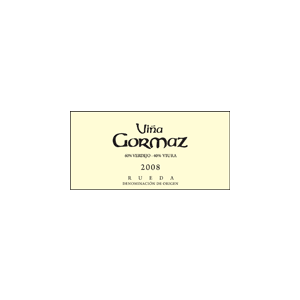
| Bodegas Gormaz Viña Gormaz Rueda 2008 – Spain | 1 Red 1 White; 2 Whites |
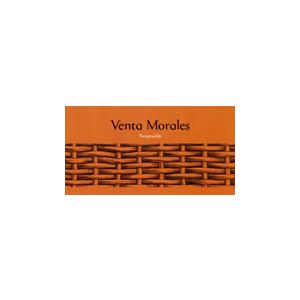
| Venta Morales La Mancha Tempranillo 2008 – Spain | 2 Reds |
| Picket Fence Russian River Valley Chardonnay 2006 – U.S.A. | 2 Whites |
Master Series |
|
Featured Wineries & Wines |
Membership Type |
| Emilio Moro Ribera del Duero 2006 – Spain | 1 Red 1 White; 2 Reds |
| Bodegas Gormaz Viña Gormaz Rueda 2008 – Spain | 1 Red 1 White |
| Surfrider Malibu Newton Canyon Red 2005 – U.S.A. | 2 Reds |
Collector Series |
|
Featured Wineries & Wines |
Membership Type |
| Emilio Moro Ribera del Duero 2006 – Spain | 1 Red 1 White; 2 Reds |
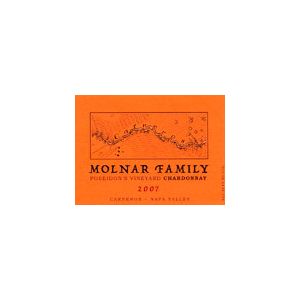
| Molnar Family Poseidon’s Vineyard Carneros Chardonnay 2007 – U.S.A. | 1 Red 1 White |
| Bethel Heights Estate Grown Pinot Noir 2007 – U.S.A. | 2 Reds |
Surfrider Malibu Newton Canyon Red 2005 – U.S.A.
Surfrider is a special bottling of Bordeaux varietals by Rosenthal The Malibu Estate. The grapes for Surfrider come exclusively from Rosenthal’s estate in Newton Canyon, just four miles from the renowned beach and surfers’ haven at Malibu. Although only four miles away from the beach as the swallow flies, Rosenthal’s vineyards are eons away in terms of climate and terroir. All of Rosenthal’s vineyards are situated above the coastal fog line, at least 1,400 feet above the sea, and they are completely sheltered from the salt and spray of the Pacific. These vineyards do, however, receive cooling breezes, which intensify the aroma and fruit for which Rosenthal’s The Malibu Estate has become justly famous.
When do wine and surf come together? When one takes the first sip of the 2005 Surfrider Red! Since many people associate Malibu with beautiful beaches and surfing, Rosenthal Estate Wines designed a label and designated a special wine that incorporate Malibu’s unique coastal lifestyle with fine wines. In doing so, Rosenthal Estate Wines has partnered with the Surfrider Foundation, a grassroots, non-profit environmental organization dedicated to protecting the oceans, waves, and beaches along our shores. Rosenthal Estate Wines donates a percentage of the profits from Surfrider to this worthwhile organization.
Rosenthal The Malibu Estate is truly a boutique winery that crafts limited quantities of award winning wines, which makes each bottle of wine from this estate a rare and precious commodity. The 2005 Surfrider is just the second vintage of this outstanding meritage. To its credit Surfrider has with just two releases under its belt garnered dozens of medals in nearly every significant wine competition.
So, What is a Meritage?
Meritage (rhymes with “heritage”) is California’s answer to Bordeaux. It is also a term that has come in vogue in the last decade to describe New World blends that are made from traditional red Bordeaux varietals. Therefore, a meritage wine is essentially a blend of three or more traditional red Bordeaux grapes with Cabernet Sauvignon, Merlot, and Cabernet Franc the most notable participants. Malbec and Petit Verdot are the other two possible players. However, there are no legal or proscribed percentages for each grape variety in a meritage wine, so producers are permitted to vary how much of each varietal finds its way into the final offering, much as Bordeaux Châteaux vary their cepages or blends depending upon the estate’s desired style of wine and the vagaries of each individual vintage. Nearly all meritage wines must eschew the name of a single varietal on the label because varietal bottling requires that at least 75% of a single variety (in California and in most other states) be present in a blend to be labeled as such. The minimum requirement for varietal labeling in Europe and in most other New World producing wine countries is 80% of grape variety.
Tasting Notes: Christian Rougenet has once again created an exceptional meritage offering in the 2005 Surfrider Red. This expertly crafted wine is an artful blend of Merlot, Cabernet Sauvignon, and Petit Verdot from Rosenthal’s own estate vineyards. Deeply colored, rich, and full-bodied, Surfrider embodies intense fruit as well as a good dose of sophistication. Blackberry, cassis, and jammy red fruit flavors almost immediately come to fore, but we suggest you give this joyful meritage a little time to collect itself in the glass. With just 20-30 minutes of aeration the 2005 Surfrider oozes with charm as well as flavor and will slide easily down an eager throat and make it beg for more. A powerful wine from an outstanding vintage, the 2005 Surfrider offers a dry, intense finish to frame its fruit and suggest a long and illustrious life. Drink this wine now and for the next 7-10 years. Anticipated maturity: 2010-2016.
Accompaniments: One of the most endearing characteristics of the 2005 Surfrider, and all Rosenthal estate wines for that matter, is how easily it pairs with a variety of foods. It is also the rare young meritage offering that can stand on its own and beguile. Nonetheless, we prefer this top notch offering with grilled lamb chops, brushed with extra virgin olive oil and sprinkled with fresh rosemary and thyme. Osso Bucco is another splendid choice. Chicken Marsala pairs nicely with this wine as well. And for those less adept in the kitchen, all one has to do is fire up the grill; steaks, pork barbecue, and baby back ribs complement this wine, too. Mid week meat loaf or hearty beef barley soup won’t cause this Surfrider to pale, either. Enjoy!
For the Love of Cheese: The 2005 Surfrider is an ideal young red wine to pair with cheese. Consequently, we suggest you try this delectable wine with a platter of soft, ripe cow’s milk cheeses. Gouda, American Sonoma Jack cheese, Danish Havarti, Muenster, and even sharp or medium styles of English Cheddar in the company of crusty French bread constitute some of our perennial favorite cheese pairings with Surfrider. However, to discover additional cheese pairings or to learn more about cheese, please visit our website at www.cheesemonthclub.com and delight in the love of cheese.
Bodegas Gormaz Viña Gormaz Rueda 2008 – Spain
Bodegas Gormaz has been turning out exemplary Ribera del Duero from old, head pruned Tempranillo vines since 1972. One of the original 16 bodegas of the D.O. Ribera del Duero, Bodegas Gormaz was originally founded as a cooperative consisting of some 360 growers in the Ribera del Duero province of Soria. Today, Bodegas Gormaz is privately owned and managed, and it is fashioning outstanding red and white wines from Ribera del Duero and Rueda, respectively, that simply must not be missed.
Brought to fore by Classical Wines of Spain, Bodegas Gormaz now consists of more than 1,300 acres of vines in Soria for making quintessential Ribera del Duero and a 125 acre estate vineyard on the Adaja River in Rueda for fashioning the bodega’s exceptional white wine. Many of the vineyards of Bodegas Gormaz are in excess of 50 years of age and have been propagated from vine to vine in pre-phylloxera fashion, which means they grow on un-grafted rootstock, a rarity in the 21st century. The estate’s reds are pure, rich, unadulterated Ribera del Duero from 100% old vine Tempranillo. Moreover, the estate’s Rueda is equally impressive. Bodegas Gormaz fashions its delicious Rueda exclusively from Verdejo and Viura, the region’s finest traditional grape varieties.
Rueda
Rueda lies to the northwest of Madrid in an historic part of ancient Castilla and León. Rueda, especially the town of Nava del Ray and the surrounding countryside, is known for its extraordinary architecture. Many opulent churches, monasteries, and mansions punctuate the region, highlighting Rueda’s important role in the medieval Reconquest of Spain from the Moors.
Wine production has been an integral part of Rueda since the 11th century, when King Alfonso IV offered freehold ownership of land to those prepared to resettle Rueda after the Reconquest. Monastic orders quickly took up the King’s offer and built monasteries with vineyards to provide a steady wine supply. Soon the vineyards of Rueda had become the primary suppliers of wine to the itinerant medieval Castilian court. The viticultural glory and commercial success of Rueda and its noble Verdejo grape would last until phylloxera devastated the region between 1909 and 1922, destroying more than two-thirds of the region’s vineyards. Subsequently, the vines chosen for replanting were unfortunately selected for yield rather than quality, which means the high yielding Palomino replaced Verdejo as the main grape in Rueda. Furthermore, the little Verdejo that was made had no chance to mature; it was sold locally in bulk.
Fortunately, the sagging fortunes of Rueda took a turn for the better in the 1970s. Marqués de Riscal, a leading Rioja producer, came to Rueda and set up a bodega to make young, fresh white wines from native Verdejo grapes. Meanwhile, Angel Rodriquez was launching his quest at Martinsancho to revive Verdejo and restore the indigenous varietal to its former glory. As a result of these efforts Rueda won DO status in 1980, and it has never looked back. Rueda is presently Spain’s leading DO for still premium white wines.
Tasting Notes: The cheerful, sunny robe is the first thing one notices about the 2008 Viña Gormaz Rueda. How fitting that Rueda, the finest white wine of Spain’s sun drenched northern plain, bears all the radiance of the sun. At artful blend of Verdejo (60%) and Viura (40%), the 2008 Viña Gormaz Rueda captures the palate as well as the eye. From first sniff, this wine’s heady aroma is redolent with the scents of melon, fresh squeezed lime, and spring flowers. Medium-bodied, persistent, and long on flavor, the 2008 Viña Gormaz Rueda immediately establishes itself as a savory wine that is both easy and fun to drink. Refreshing as well as eminently satisfying, the 2008 Viña Gormaz Rueda reveals a new and interesting twist with each sip. We suggest serving the 2008 Viña Gormaz Rueda moderately chilled, at least for starters. We have also enjoyed the wine at cellar temperature (55º-57º F).
Accompaniments: Rueda is one of Spain’s most amiable white wines, and the 2008 Viña Gormaz Rueda is no exception. It is a wine to sip and savor, or simply guzzle. It pairs especially well with tapas and all kinds of appetizers. So, why not try it with toasted bread rounds, smeared with a fine crab dip or lobster spread. Shrimp, scallops, and prawns, prepared Provencal style in a heady white wine, garlic, and tomato sauce, all provide superb accompaniments, too. Bouillabaisse, Calamari Frito, Ceviche, Maryland-Style Crab Cakes, and Sautéed Low Country Oysters offer additional, mouthwatering pairings. Melon wrapped in prosciutto, or better still, thin slices of Spain’s peerless Jamon Ibérico, a delicious acorn fed ham, offers a peerless partner to the Viña Gormaz Rueda. In addition, nearly all kinds of cow, sheep, and goat’s milk cheese provide superb accompaniments to this wine as well. Empanadas, flautas, and inventive chicken salads made with fruit, walnuts, and Mediterranean herbs offer other tasty pairings. Enjoy!
Venta Morales La Mancha Tempranillo 2008 – Spain
Venta Morales is a brand new venture and a collaborative effort between Jorge Ordonez and the family of Juan Gil, two of the most venerable names in Spanish wines. Jorge Ordonez, the importer of many of Spain’s finest wines and greatest wine values, is as responsible for the wine renaissance sweeping Spain as any single individual.
Venta Morales is the product of old Tempranillo vines that lay nestled around the quaint village of Villanueva in the heart of the vast, sweeping plateau of La Mancha. Here the Tempranillo grape thrives in the arid Mediterranean climate and the sandy, rocky, calcareous clay soils of the Spanish meseta. The warm growing season of La Mancha encourages the development of ripe dark fruit flavors, deep color, and long balanced tannins. Venta Morales Tempranillo is hand made in small batches from vineyards that yield less than two tons per acre. It is one of the finest country wines from any nation in the market today.
Tasting Notes: Deep, dark, and beautifully perfumed, the 2008 Venta Morales is the perfect example of how good old vine La Mancha Tempranillo can be in the hands of a master winemaker. No other wine region in Spain has so much of its land devoted to the vine. Yet, La Mancha receives so little recognition. However, we think that scenario is about to change with the renaissance of this ancient viticultural area and the presence of Jorge Ordonez and other astute importers who have begun culling the ancient vines of La Mancha for treasures the likes of Venta Morales. From old vines springs Venta Morales, a wine ripe with the sensuous aromas of black cherries, juicy ripe plums, and whole black currants. Moreover, on the palate the Venta Morales nearly explodes with the exuberance of fruit, spice, and finely grained tannins that perfectly frame the wine’s hedonistic entry. Easy to drink, yet provocative in the best sense of the word, the 2008 Venta Morales makes a statement about the country wines of Spain that France and Italy can rarely match today. Friendly, interesting, and utterly satisfying, one could hardly ask more of this wine than it delivers. We suggest drinking the 2008 Venta Morales Tempranillo at cool room temperature (60º-66º F) with little or no aeration in order to capture all the youthful exuberance that Venta Morales has to offer.
Accompaniments: Although not a typical sit around and sip kind of wine, the 2008 Venta Morales Tempranillo will turn more than a few heads on its own. Nonetheless, we suggest you serve this delightful Spanish beauty with simple, hearty dishes. One of our favorite companions to this wine is a thick turkey soup, loaded with root vegetables, and served with freshly grated parmesan or pecorino cheese and homemade spinach bread. With this hearty meal, Venta Morales has a way of turning a mid week meal into a veritable feast. Hamburgers, pizza, frittatas, and country ham all pair superbly with this wine as well. A jambalaya, made with fresh fish, mussels, chicken, and sausage, and served with a Creole sauce with rice and beans, provides another winning combination with the 2008 Venta Morales, but then again almost anything will taste better with Venta Morales at its side. Enjoy!
Picket Fence Russian River Valley Chardonnay 2006 – U.S.A.
Picket Fence is a family owned vineyard in California’s beautiful Russian River Valley. Here, proprietor Katy Leese has teamed up with Don Van Staaveren, one of California’s most celebrated winemakers, to produce some of the finest Chardonnay and Pinot Noir in the entire appellation. And when one considers the address, it is obvious that the Russian River Valley does not lack for talent or beg for notoriety. With such legendary names as Patz and Hall, Paul Hobbs, Rochioli, Siduri, and Williams Selyem as neighbors, it is obvious that Picket Fence enjoys good company as well as a great location. And, what do they say about location in the real estate business? Well, even more important, the folks at Picket Fence want you to feel at home and enjoy their wines. With this in mind and two outstanding wines to purvey, Picket Fence is not likely to remain undiscovered for very long. After all, there is only so long that a secret remains a secret, especially in a family.
Katy Leese chose the name Picket Fence to reflect what she calls “the incredible sense of place that is embodied in her family’s vineyard and Russian River Valley home and to pay tribute to the belief that picket fences are a timeless symbol encircling what we cherish most.” One taste of this family’s extraordinary wines will solidify the image of coming home, as Picket Fence Chardonnay and Pinot Noir embody not only this special place Katy calls home, but the name carries with it part of the incredible people who make the wine, too.
For starters, the Vineyard Manager at Picket Fence is none other than the meticulous Pete Opatz, the current and past president of the Sonoma County Grape Growers Association and a man with a long history of producing great Sonoma County fruit. He has worked his magic at Chateau St. Jean and many other premium wineries for over thirty years, before coming to Picket Fence. Paired with Don Van Staaveren, the only winemaker in history to have five wines in the Wine Spectator’s top 100 in the same year, including the #1 wine, these two gentlemen make for a formidable team. Pete and Don’s collaboration constitutes one of California’s greatest parings: Picket Fence is further testament to both men’s dedication and acumen.
Tasting Notes: The 2006 Picket Fence Russian River Valley Chardonnay embodies Old World charm as well as New World flavor. Sun kissed with a forsythia yellow robe and a soft, sophisticated bouquet reminiscent of apple blossoms, apricot, and cream, it brings a welcome smile to parched lips. In the mouth, Picket Fence caresses the palate and expands into a silky smooth, Burgundy style Chardonnay that evokes the comfort and security of home with savors of Bosc pear, cheese, and freshly baked French bread to tantalize the tongue. Subtle, fruity, and increasing complex as it reaches toward ambient temperature, the 2006 Picket Fence Chardonnay remains forever balanced and eminently drinkable. An elegant, long finish and pleasant persistence add to its appeal. For optimum enjoyment, we suggest serving Picket Fence Chardonnay only moderately chilled (45º-55º F).
Accompaniments: The 2006 Picket Fence Russian River Valley Chardonnay is a wine to sip and savor with family and friends in the company of many classic dishes. For starters, salmon pâté and Picket Fence share a natural affinity. Creamy crab dips, savory scallop appetizers, and traditional Northern Italian pasta specialties offer additional opportunities to showcase the more overt charms of the 2006 Picket Fence Chardonnay. Fettuccine Alfredo and Risotto Milanese, with saffron for nuanced flavor, provide superb pairings, too, as they complement the texture of Picket Fence Chardonnay. However, one of our favorite accompaniments to this sophisticated Chardonnay is perhaps the easiest to prepare – cheese. Gruyere or Gouda (un-smoked) affords an ideal way to finish an enjoyable evening as well as a bottle of the 2006 Picket Fence Chardonnay. Enjoy!
Emilio Moro Ribera del Duero 2006 – Spain
Bodegas Emilio Moro is a family owned winery that has been crafting world class wines in Ribera del Duero for more than 120 years. The estate’s several vineyards are all located at high elevations along the banks of the Duero River within Pesquera de Duero, the region’s premier zone. The specialty at Emilio Moro is the cultivation of Tinto Fino, the Ribera del Duero’s special clone of Tempranillo. As such, this bodega has in its vineyards original clones of Tempranillo, which are well-adapted to Ribera del Duero’s extreme vagaries of weather.
The wines of Emilio Moro are classic Ribera del Duero reds, wines made from 100% Tinto Fino. Until recently Emilio Moro fashioned only one Ribera del Duero, a traditional, full-bodied, highly structured wine that is built for extensive cellaring (i.e., this month’s selection). However, the bodega recently introduced an additional offering – Finca Resalso – a polished, smooth Ribera del Duero from younger vines that can be drunk in the first two or three years of life or cellared for several years.
Ribera del Duero
The Ribera del Duero is located in Castilla y Leon in the very heart of the expansive plain that sprawls north of Madrid towards the mountains. Bounded by three mountain ranges, this illustrious viticultural region lies at 2,500 feet above sea level. The Duero River, from whence the region’s name is derived, threads its way through the area, providing the perfect terroir for the production of complex reds. Ultimately, the Duero continues its trek westward into Portugal, where it is called the Douro, and whose wares are known as Port – the greatest wine of Portugal.
Although perhaps not as historically significant as Rioja or even Jerez (the viticultural region of southern Spain known for sherry), the Ribera del Duero has consistently made the greatest wines of Spain for the last three decades. Thanks to diligent and innovative wine making and attentive, sustainable viticulture, along with a series of strong vintages, this region has captured the hearts and palates of a coterie of international clients, many of whom are astute enough to see that the modern Renaissance in Spanish viticulture blossomed early in the Ribera del Duero and has never stopped.
The first modern indication that greatness was in the offing for the Ribera del Duero came in 1864 when Don Eloy Leconda Chaves returned to his estate near Valbuena from Bordeaux armed with a plethora of new oak barrels, French vine cuttings, and the latest Bordelais techniques. His goal, of course, was to re-create the greatness of the finest Bordeaux reds in the Ribera del Duero, but his greatest and most enduring discovery was that the local grape called Tinto Fino and Tinto Pais (local names for Tempranillo) could outperform Cabernet Sauvignon, Merlot, and Malbec when made at the same high level, especially in drier vintages. Today, Chaves’s estate is known as Vega Sicilia and the grape is Tempranillo. Unfortunately, for the first 118 years of its existence, Vega Sicilia’s wines could only be labeled as table wine, even though its legendary wine remained unchallenged in the Ribera del Duero and rightfully garnered the title of Spain’s greatest and most expensive wine.”
In 1982, the Ribera del Duero was finally given Denominacion de Origen (DO) status, thanks to a coterie of bodegas such as Emilio Moro that demonstrated they, too, could make great wine in the Ribera del Duero, without practicing the extensive oak aging employed at Vega Sicilia. By marrying traditional sustainable vineyard practices to modern methods of viticulture, the Ribera del Duero produces bright, bold red wines of depth and distinction – wines that do not require ten or more years in bottle to recover from five or more years in barrel. Emilio Moro’s Ribera del Duero is a prime example of the innovative style of wine now being made in Ribera del Duero.
Tasting Notes: A stunning wine from a superlative vintage, the 2006 Emilio Moro Ribera del Duero opens with a superb bouquet of blackberry, espresso, roasted herbs, and wood smoke. In the mouth, this Ribera del Duero nearly explodes: it offers a boatload of rich, ripe fruit, roasted coffee tones, and toasted oak. Furthermore, all this goodness is wrapped in a firm core of well integrated tannins that assures this traditional offering a long, illustrious life. Although accessible and highly enjoyable now, we recommend cellaring at least a few bottles of this big-boned beauty for 3-5 more years. Then, one will taste and see the full glory of red wine from Ribera del Duero. Enjoy!
Accompaniments: Given the considerable structure and wealth of flavor inherent in the 2006 Emilio Moro Ribera del Duero, we strongly favor accompaniments equal to the task. We are inclined to save the salads, pizzas, and tapas for lighter, less complex wines. Mostly, we favor traditional Spanish fare and the finest cuts of lamb, beef, and pork with Emilio Moro’s complex, traditional red wine. Veal or Pork with Black Olives and Capers provides one ideal accompaniment. Duck Breast, prepared with a refined blackberry or cherry sauce offers another superb pairing. A thick herb encrusted Veal Chop, accompanied by a mushroom risotto, provides yet another sophisticated companion. However, almost any noble fare will be enhanced by this regal red, so enjoy!
Molnar Family Poseidon’s Vineyard Carneros Chardonnay 2007 – U.S.A.
Nicolas Molnar was one of the fortunate survivors of the 1956 Hungarian Uprising against Soviet communist oppression; he escaped. His odyssey led him to America where in the early 1960s he discovered Napa Valley. The wines of Napa Valley reminded him of Hungary, and the land was both bountiful and beautiful. When everyone else with a few dollars and a passion for wines was buying land in the northern part of Napa Valley and planting Chardonnay and Cabernet Sauvignon in the hot zones of Napa, Molnar quietly began purchasing land and developing vineyards in the coolest part of southern Napa in a place called Carneros.
In the 1960s, sheep outnumbered people in Carneros. Carneros, which lies along San Pablo Bay (the northern extension of San Francisco Bay), was considered a favored locale for agriculture by the early Spanish missionaries. Carneros viticulture thrived in the colonial period and during the Gold Rush, but since Prohibition grazing had become the Carneros district’s only real claim to fame. Most of Nicholas Molnar’s contemporaries thought he was crazy for choosing Carneros over more favored locales in Napa. Happily for us, Molnar knew what he was doing. He planted Chardonnay and Pinot Noir in his vineyards, the two varietal’s perfectly suited to the terroir of Carneros.
In 1973 Nicolas Molnar planted the now legendary Poseidon’s Vineyard, and for three decades some of the finest California Chardonnay and Pinot Noir emerged from this vineyard astride the bay that bears the name of the Greek god of the sea, only to make its way into bottles bearing the names of California’s most renowned wineries. Acacia, Heitz, Mumm Napa Valley, Joseph Phelps, Pride Mountain, and Sterling are just a few of the names that coveted Nicolas Molnar’s stellar viticultural wares, until Nicolas’ sons decided it was time for the family to do their own thing.
With the assistance of Michael Terrien, one of California’s premier Chardonnay and Pinot Noir winemakers, the Molnar family began several years ago to make small batches of their own wine from Poseidon’s Vineyard. Before practicing his magic at the Molnar Family’s Poseidon’s Vineyard, Michael Terrien made award winning wines for Hanzell and Acacia, where he served as both Winemaker and General Manager. His Acacia Pinot Noir garnered top awards and was rated among Wine Spectator’s top 100 wines in the world. His work at Molnar has been no less impressive. Recently, the talented Alex Beloz has joined the team to steer the course.
Poseidon’s Vineyard has proved for nearly four decades what Nicolas Molnar knew straight away: his vineyard was destined to produce exemplary Chardonnay and Pinot Noir. Consequently, Chardonnay and Pinot Noir are the only two wines the Molnar family produces. Quantities are extremely limited. Less than two thousand cases of the Chardonnay and twelve hundred cases of the Pinot Noir with the Molnar Family name flow from Poseidon’s Vineyard.
Tasting Notes: The 2007 Molnar Family Poseidon’s Vineyard Chardonnay is one suave, sophisticated Chardonnay with a style all its own. In fact, the Molnars make no bones about the fact they have set about re-inventing their idea of California Chardonnay. So, if you are looking for a semi-sweet, oak laden Chardonnay that claws after the first glass, we suggest you look elsewhere. However, if you are seeking something special in California Chardonnay, you will surely find it in Molnar’s Chardonnay. The 2007 Molnar Poseidon’s Vineyard Chardonnay is a wine of breed, elegance, pure fruit flavors, subtle haunting spice tones, and outstanding balance and structure. Furthermore, the wine’s seductive bouquet of kaffir lime, apple blossoms, and custard cream, laced with deft touches of oak from fermentation in Kádár Hungarian oak barrels, seeps surreptitiously into the flavor profile of this Chardonnay. On the palate, the wine blossoms into a subtle mélange of fruit and crème brulée flavors that finish long, dry, and utterly satisfying. Moreover, even if you are not a dyed in the wool Chardonnay drinker, the 2007 Poseidon’s Vineyard Chardonnay is likely to make you beg for another sip. Enjoy this distinctive Chardonnay moderately chilled (45º-50º F) or even just below cool room temperature (around 58º-60º F) to garner all of the flavor and charm this wine can offer.
Accompaniments: When Chardonnay is as beautiful as the 2007 Molnar Family Poseidon’s Vineyard Chardonnay, it needs no accompaniment to help it shine. This Chardonnay was made to be sipped and savored, whether it is on its own or with cuisine of equal stature. We have enjoyed the Molnar Family Chardonnay all by itself as well as with a variety of cow’s milk cheeses, served with slices of freshly picked apples and pears. Salmon mousse; mushroom caps, filled with herbs and cheese; and breast of chicken with mushrooms and cream have also proven to be worthy companions to the Molnar family’s distinctive Poseidon’s Vineyard Chardonnay. Sautéed grouper in a coconut cream source with stir fried Asian vegetables makes for another flavorful pairing. Halibut, mahi-mahi, and most other white fish pair nicely with this wine as well. Salads and pastas provide tasty companionship, too. Enjoy!
Bethel Heights Estate Grown Pinot Noir 2007 – U.S.A.
One glance out the back door of the Bethel Heights Winery and it is easy to see why twin brothers Terry and Ted Casteel and their spouses Marilyn Webb and Pat Dudley fell madly in love with the Eola Hills and the breathtaking scenery that unfolds before them. From a series of vine covered hills that spill from the winery door to the soaring majesty of snow covered peaks that frame the luminous horizon, all that is fertile and awe inspiring about Oregon can be found at Bethel Heights.
Founded in 1977, Bethel Heights is one of the oldest wineries in Oregon and in our estimation still one of the best. The estate’s Pinot Noirs are among the finest in the state and co-owner Marilyn Webb knows how to make visitors feel at home. Her soft spoken manner and straightforward approach leaves one with the impression that the folks at Bethel Heights truly love what they do, and they do it well. Moreover, the second generation at Bethel Heights (Terry, Marilyn, Ted, and Pat’s kids) has come of age and by all accounts the wines at Bethel Heights are better than ever. In short, there is something for everyone here, whether it be red, white, rosé, or some of the grandest scenery in all Willamette Valley.
Although the current rage is for Pinot Noir from Oregon (and Bethel Heights produces a delicious estate grown Pinot Noir in the Eola Amity Hills along with several awe inspiring single vineyard Pinot selections), Terry and Ben Casteel also fashion an equally intriguing array of outstanding white wines. And for good health and added enjoyment the Bethel Heights estate vineyard has been certified sustainable by both LIVE and Salmon Safe since 1999. Taste and see all that this estate has to offer!
Tasting Notes: In 2007 Bethel Heights produced one of Willamette Valley’s most successful estate grown Pinot Noirs. On a recent trip to Oregon, we tasted the 2007 Bethel Heights Estate Grown Pinot Noir and immediately fell in love. Subsequent tastings after additional time in bottle have confirmed our initial jubilation and revealed even greater charm and hedonistic pleasure. The tender, medium-bodied 2007 Estate Grown Pinot Noir offers up a fragrant bouquet of cinnamon, clove, ripe red fruits, and roses. On the palate, this supple Pinot Noir comes across initially as lively, fresh, and spicy. However, a little aeration reveals a good depth of tender strawberry fruit, layers of subtle complexity, and enough structure to evolve for at least several more years. Already gracious and pretty, it will be difficult to practice constraint when it comes to Bethel Heights’ 2007 Estate Grown Pinot Noir. Nonetheless, for those who are patient enough to wait another year or two, a just reward will almost certainly be forthcoming. In an ideal world, one has a bottle of this delicious Pinot Noir at table and several more resting in the cellar. Anticipated maturity: 2011-2016. For optimal enjoyment we suggest serving this wine at cool room temperature (60º-65º). Enjoy!
Accompaniments: Oregon Pinot Noir is one of the most versatile and food friendly of American wines. It accompanies tried and true French classics, such as Coq au Vin and Boeuf Bourguignon, with aplomb. Yet, the 2007 Bethel Heights Estate Grown Pinot Noir pairs equally well with traditional American favorites such as roast turkey, with all the trimmings; Chicken Carolina, chicken stuffed with farm cured ham and Crotin cheese; and Maryland Style Crab Cakes. While most red wines become steely in the presence of seafood, fine Oregon Pinot Noirs, such as the Bethel Heights’ Estate Grown Pinot, remain happy exceptions. Savory seafood specialties featuring halibut, salmon, and tuna offer superb accompaniment to Bethel Heights’ Estate Pinot Noir as well. Most meats, pastas, and salads provide excellent complements, too.