Past Newsletters - August 2009
Premier Series |
|
Featured Wineries & Wines |
Membership Type |
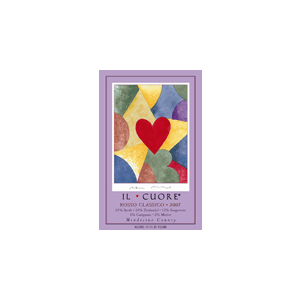
| Il Cuore Rosso Classico Mendocino 2007 – U.S.A. | 1 Red 1 White; 2 Reds |
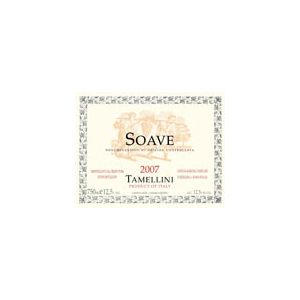
| Tamellini Soave DOC 2007 – Italy | 1 Red 1 White; 2 Whites |
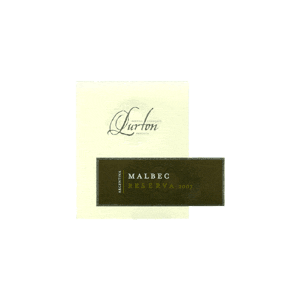
| Francois Lurton Valle de Uco Malbec Reserva 2007 – Argentina | 2 Reds |
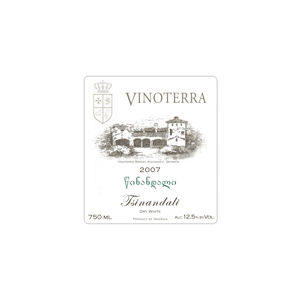
| Vinoterra Tsinandali 2007 – Republic of Georgia | 2 Whites |
Master Series |
|
Featured Wineries & Wines |
Membership Type |
| Kilikanoon Killerman’s Run Shiraz 2002 – Australia | 1 Red 1 White; 2 Reds |
| Tamellini Soave DOC 2007 – Italy | 1 Red 1 White |
| Il Cuore Rosso Classico Mendocino 2007 – U.S.A. | 2 Reds |
Collector Series |
|
Featured Wineries & Wines |
Membership Type |
| Kilikanoon Killerman’s Run Shiraz 2002 – Australia | 1 Red 1 White; 2 Reds |
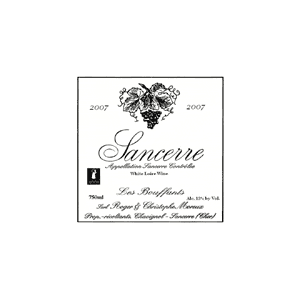
| Domaine Roger & Christophe Moreux Les Bouffants Sancerre 2007 – France | 1 Red 1 White |
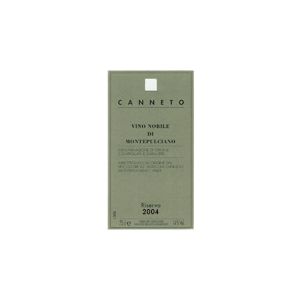
| Canneto Vino Nobile di Montepulciano Riserva 2004 – Italy | 2 Reds |
Il Cuore Rosso Classico Mendocino 2007 – U.S.A.
Il Cuore (eel-quarry) is a winery dedicated to producing classic California wines: varietal offerings as well as traditional blends in a tribute to the Italian immigrants who first planted vines upon the North Coast of California during the nineteenth century. The name Il Cuore, which means “heart”in Italian, serves as a reminder that the very survival of these immigrant pioneers depended upon a stout heart, hard work, and love of the land. Under winemaker Dennis Patton, Il Cuore captures the devotion of Mendocino’s winemaking forbearers.
Il Cuore began making wine in Mendocino in 1989 with the release of a tiny amount of Cabernet Sauvignon. Today, Il Cuore crafts a variety of award winning wines, including Barbera, Cabernet Sauvignon, Chardonnay, and Rosso Classico – the winery’s most celebrated offering. Rosso Classico is a unique blend of Syrah, Zinfandel, Sangiovese, Carignane, and Merlot. All of Il Cuore’s wines are made in an expressive, natural style with only modest oak barrel ageing to preserve the fresh character of Mendocino fruit.
The original artwork for Il Cuore was created by Dan Rizzie, whose bold cubistic works appear in the permanent collections of both the Metropolitan Museum and the Museum of Modern Art in New York.
Some Thoughts on California Wines
When California winemakers recall their roots and fashion wines reminiscent of yesteryear, the results are more often than not remarkable. In the Post-Varietal Age, more and more California wineries are returning to the past. These wineries and their erudite artisans are honoring their oenological forbearers by crafting wines not unlike their ancestors did several generations ago. They are making full, fleshy, in your face kinds of wines with a myriad of flavors and plenty of panache from a multitude of grape varieties and field blends. No more is varietal bottling the magic bullet or the sole mark of quality on a label of California wine.
Many of California’s proprietary wines and authentic field blends (wines made from numerous grape varieties that are grown together in a vineyard and fermented together, rather than separately) have always offered the consumer quality and value, at various price points. Unfortunately, the Varietal Age that took root in the late 1960s nearly put an end to traditional California blends, the best of which relied heavily upon Mediterranean varietals such as Alicante Bouschet, Barbera, Carignane, Charbono, Grenache, Mataro (Mourvèdre), Sangiovese, and Zinfandel, among others. Fortunately, the trend towards strict varietal bottling (utilizing one grape only) has reversed and winemakers and consumers alike are abandoning their parochial attitude towards blended wines. Perhaps, this generation no longer remembers some of the less glorious renditions of California Chablis and Burgundy that sparked varietal bottling or they can differentiate between mass produced blends of inferior quality and the real deal? For those whose snob appeal does not rely upon a varietal name, they will have a field day exploring traditional California blends such as Il Cuore’s Rosso Classico.
Tasting Notes: The 2007 Il Cuore Rosso Classico recalls not only the artful blends of yesteryear, it heralds the present trend towards fleshy, more fruit driven wines. Rosso Classico is a wine with plenty of natural flavor; it is neither dominated by oak, nor copious additions of tartaric acid. The 2007 Il Cuore Rosso is an expressive, medium bodied wine that resonates with the scents and savors of ripe cherries, summer berries and plums. It is soft and succulent from the moment it is poured, but it never comes across as flabby or over the top. This artful blend of Syrah (51%), Zinfandel (26%), Sangiovese (12%), Carignane (6%), and Merlot (5%) truly pays homage to the early North Coast pioneers and their tasty field blends. Each varietal adds it own unique qualities to Rosso Classico, but all play nicely together and add up to a total greater than the sum of their parts. Enjoy this California classic now and for the next couple of years.
Accompaniments: The fruity, spicy flavors of the 2007 Il Cuore Rosso Classico enhance a diverse range of foods. However, classic Italian dishes with thick rich tomato sauces and plenty of garlic and herbs top our list of favorite accompaniments. So bring on the Manicotti, Chicken and Herb Stuffed Ravioli, Eggplant Rollini, Mediterranean style grilled meats, and all the comfort foods you can think of. Add to that list Braised Lamb Shanks, served with garlic mashed potatoes, Chicken Marsala, Oven Roasted Salmon, and nearly any dish with plenty of garlic, and the 2007 Rosso Classico is hard to match. Spicy dishes that contain hot pepper and a little heat won’t hurt this Rosso Classico either, so no need to fret. Il Cuore’s Rosso Classico has been dubbed “the garlic buster,” so it is a wine meant to come to table, just like the wines of yesteryear. Enjoy!
For the Love of Cheese: In an ideal world, one has at least a bottle of the 2007 Il Cuore Rosso Classico open to serve with dinner and a second bottle waiting in the wings to accompany a selection of perfectly ripe cheeses. Most cow, goat, and sheep’s milk cheeses provide excellent companionship to Il Cuore’s Rosso Classico. Edam, Feta, Gouda, and fresh Buffalo Mozzarella all get our seal of approval, but we suggest you consider additional cheese pairings with this wine by going to www.cheesemonthclub.com. Why settle for half the pleasure when you can have it all?
Tamellini Soave DOC 2007 – Italy
The wines of Soave have never been better. However, in spite of Soave’s recent meteoric rise in quality and availability, only a few dozen growers estate-bottle authentic Soave. This comes as a shock to most consumers and critics alike, especially when one considers that Soave is the largest white wine-producing DOC in Italy. Most Soave growers still provide grapes or bulk juice to be blended into any number of pleasant but innocuous brands of Soave that a few large commercial ventures, whose only current claim to fame is that they have become household names, churn out by the truckload. For many years Gaetano Tamellini was one of those nameless, faceless suppliers, whose superlative Garganega and Trebbiano grapes were sold to the massive Soave Cooperative to be ground down into the lowest common denominator, despite the consistent, superlative quality of fruit from his prime hillside sites. Today, Tamellini can claim to be one of Soave’s premier estates as its wines constitute the DOC’s finest production.
When Soave is born on meticulously tended hillside vineyards that are not ridiculously over cropped; when the passions of the wine grower are noble and aspire to excellence; and when the wine is produced from the Soave’s noble Garganega grape alone or with, perhaps, just a touch of the delicate and ethereal Trebbiano di Soave that locals refer to as Verdicchio, then Soave is truly an outstanding wine, magical and irresistible, too. Welcome to the world of Gaetano Tamellini and his exciting and delicious Soave. Each of Tamellini’s classic Soaves provides pure drinking pleasure and proof that Soave can be much more than a pleasant quaff.
With the assistance of Paolo Caciorgna, one of Italy’s most accomplished white wine makers, Gaetano and his brother Pio Francesco took a leap of faith in 1998 and began estate bottling their Soave, including two exquisite single vineyard offerings, Anguane and Le Bine. Each of these ancient vineyard sites expresses the blithe, elegant spirit of true Soave in its own unique way. Tamellini Soaves are the kinds of white wines that originally made Soave famous years ago, when writers and cognoscenti alike would sing the praises of the Veneto’s most enjoyable white wine. Until recently, the Tamellini brothers would fashion at least three distinct Soave wines: Anguane, Le Bine, and the zones most pleasurable Soave DOC. However, Anguane is a very old vineyard that now requires replanting, so with the exception of a miniscule amount of Le Bine all of the estate’s finest grapes presently go into Tamellini’s Soave DOC, putting it into a class by itself. Tamellini’s Soave DOC demonstrates such rich fruit and great strength of flavor that it has been dubbed “the Pouilly-Fuissé of Soave” – no mean feat. In an ideal world, one has a case of Tamellini Soave in the cellar and a bottle or two in the cooler; Tamellini’s Soave is truly enticing and nothing short of amazing which makes us wonder why more dedicated Soave growers don’t take the hint and start putting out the real deal – authentic, sensual, fulfilling Soave that is one of the world’s most enjoyable white wines. And unlike the vast majority of Soaves, Tamellini’s wines age beautifully for up to four or five years in bottle, so no need to rush through the pleasure.
Tasting Notes: The 2007 vintage in Northern Italy has turned out to be excellent one for white wines, and the 2007 Tamellini Soave DOC presents itself as one of the stars of the vintage. And just when we thought this estate’s outstanding 2005 Soave DOC would be difficult to eclipse, the 2007 Tamellini Soave comes along and outshines all other takers. Tamellini Soave is everything authentic Soave ought to be . . . and more. It sports a light golden robe, a beguiling nose, and a long, lingering, satisfying finish. Reminiscent of the finest Pouilly-Fuissé, the 2007 Tamellini Soave personifies elegance, breed, and plain good, old-fashioned drinking pleasure. Its bouquet is a gratifying combination of ripe creamy fruit, lemon zest, acacia blossoms, and fresh picked almonds. On the palate, a subtle minerality emerges, too, from the wine’s textured fruit to provide elegance and a good dose of lip smacking flavors. In fact, several bottles of the 2007 Tamellini Soave disappeared in record time at our last panel tasting, and the dump buckets looked mighty parched after the fact. It’s a good thing we learned from the last time we tasted Tamellini wines to have an extra bottle or two of Gaetano’s Soave on hand to avoid coming to blows over the last few drops. We suggest serving the 2007 Tamellini Soave only moderately chilled (40º-45º F).
Accompaniments: The 2007 Tamellini Soave DOC provides the perfect opening act to a party or intimate gathering. As an aperitif it cleanses and enlivens the palate and amply prepares the senses for the next great gustatory delight. Moreover, this sophisticated Soave provides plenty of pleasure, with and without food. It joyfully accompanies nearly all kinds of white fish, scallops, shrimp, hors d’oeuvres, caviar, and even smoked salmon or trout. It provides superb companionship to chicken, pork, pasta, and risotto, too. A simple mushroom and cheese risotto with a glass of Tamellini Soave can truly make one’s day. The only caveat when pairing this Soave with food is that it would be shameful to obscure some of its charm, freshness, and personality by pairing it with obtrusive fare. Consequently, we suggest avoiding heavy tomato sauces, raw garlic, and heavy spices when choosing companionship for this superlative white wine. If in doubt, a platter of mild goat and cow’s cheeses, served with apples, pears, and freshly baked bread, offers a terrific simple accompaniment to Tamellini’s handicraft that is sure to please. Enjoy!
Francois Lurton Valle de Uco Malbec Reserva 2007 – Argentina
Francois Lurton and his brother Jacques began making wine in Argentina nearly two decades ago. Scions of André Lurton of Bordeaux legend and lore, the brothers Lurton quickly built a formidable portfolio of world class wines in Mendoza, Argentina from old vines. They also re-planted vineyards with the finest clones from around the world. However, after helping to build and re-shape the wine industry in Argentina from a bulk business into a quality affair, the brothers have decided to go their separate ways. Francois has stayed on in Argentina at Bodega Lurton’s state of the art facility, where he continues to fashion some of the world’s greatest wine values as well as a number of South America’s most compelling wines at any price.
Bodega Lurton’s vineyards surround the beautiful Mendoza winery that Francois and his brother opened in 1996. Lurton augments his production with several neighboring terroirs, many from old vines as much as 100 years of age. These hand selected vineyards reflect Lurton’s philosophy of producing natural, high quality wines. Moreover, these special terroirs have been selected for the quality of their soil and climate as well as their proximity to pure Andean water. All of Bodega Lurton’s Mendoza vineyards are planted on virgin territory, land that has never had any input of chemicals. Francois Lurton continues to safeguard his vineyards by refusing to employ herbicides and by practicing natural methods of production.
Although best known for his outstanding reserve offerings of Cabernet Sauvignon and Malbec, including the complex and age worthy Malbec Piedra Negra, Francois Lurton has time and again demonstrated that he is equally adept at fashioning distinctive white wines. In addition to turning out several of Argentina’s best Malbec wines Lurton also crafts excellent Pinot Gris, Torrontes, and Chardonnay.
Tasting Notes: The 2007 Francois Lurton Malbec Reserva deftly blends the inherent attributes of old vine Malbec in Argentina with Bordeaux sophistication. Lurton’s Malbec Reserva sports a deep purple robe that is nearly opaque, but the real fun begins when you stick your nose into the glass. A rich, flamboyant aroma, redolent with the scents of black fruits, rose petal, and dark chocolate, seduces the olfactory. From the first sniff of this comely wine, it becomes apparent why the Malbec varietal in the hands of an adept winemaker such as Francois Lurton reigns supreme in Argentina. Moreover, with just a bit of aeration, the wine’s lusty aromatics carry through on the palate, bearing additional traces of vanilla bean and coffee to meld with the seductive flavor of new oak. Although captivating now, we are sure this wine will continue to improve in bottle for at least several more years. For the ultimate in drinking pleasure, we recommend you afford the 2007 Francois Lurton Malbec Reserva at least twenty to thirty minutes of aeration before serving it at cool room temperature (60º-65º F).
Accompaniments: Beef is the national dish of Argentina, as any one who has ever visited that country will attest. And what better accompaniment is there to a country’s national dish than its national wine? So, given the high flavor profile of the 2007 Francois Lurton Malbec Reserva, we suggest serving it with a serious steak. Some of our favorite cuts of beef with Malbec include sirloin, t-bone, rib eye, and porterhouse. And to complement the woodsy, flamboyant side of this wine, we suggest a side dish of sautéed Cremini, Portabella, or Shitake mushrooms, prepared in a red wine reduction with shallots and a dash of rosemary and spicy mustard, to accompany the steak of your choice. However, lest you think that Francois Lurton’s 2007 Malbec Reserva is a mere one dimensional offering, we can also suggest pairing it with some tried and true alternatives to “Beef Almighty.” Lusty red pasta sauces, three mushroom pizzas, and grilled ostrich provide other splendid parings with this full-flavored but sophisticated Malbec. And let’s not forget lamb or even the best burger money can buy; they all provide splendid complements to Francois Lurton’s work of viticultural art. Enjoy!
Vinoterra Tsinandali 2007 – Republic of Georgia
Vinoterra is a winery with great passion and energy. It is also a winery that displays true dedication and respect for the more than seven thousand year long tradition of winemaking in the Republic of Georgia. Here head winemaker Gogi Dakishvali works his magic with both traditional European production methods and Georgia’s ancient techniques of fermentation in amphorae known as Kvevri (KWAIR-ee). The resulting wines are some of the most stylish and sophisticated wines made in Georgia, a proud country with a deeply rooted wine culture and indigenous grape varieties that offer elegant flavors, superb balance, and unparalleled food friendliness.
Despite Georgia’s more than 7,000 years of winemaking history, Georgian wines have been practically unavailable in the United States and other export markets. While under the Soviet Union, Georgia was unable to sell its wine on the open market. And after the breakup of the Soviet empire, neighboring Russia with its growing thirst for luxury goods swallowed up most of Georgia’s export production. However, in 2006 Russia instituted a trade embargo against the western allied nation of Georgia, freeing the republic to seek international markets. With more than 400 indigenous grape varieties and a long tradition of unique styles of winemaking, Georgian wines and Vinoterra in particular offer a thirsty world a host of high quality wines that thankfully defy the modern winemaking world’s march to homogeneity and a singular international style of wine. We are pleased to offer a taste of Georgia in one of Vinoterra’s many artfully crafted wines.
Tsinandali (tsin-uhn-DAH-lee)
Tsinandali is both the name of a wine and a strictly controlled micro-zone of the Kakheti (kah- KET-ee) region of the Republic of Georgia.The Kakheti is Georgia’s most important wine producing region, accounting for 70% of the country’s wine production.It has been called the Napa Valley of Georgia.Tsinandali is a blended white wine comprised of two important grape varieties: Rkatsiteli (kahts-i-TEL-ee) and Mtsvane (TSWAH-nee).A typical Tsinandali blend is 80% Rkatsiteli and 20% Mtsvane.
Tasting Notes: Vinoterra’s 2007 Tsinandali is a traditional blend of 80% Rkatsiteli and 20% Mtsvane.It is fragrant, dry white wine with lovely fruit, lively spice, and a light herbal minerality.Soft and elegant in the nose with hints of citrus, apple, and apricot, Vinoterra’s Tsinandali promises ease and charm.It delivers all that and more.It follows through on the palate with equal grace and style in the form of satiny fruit and a silky texture, making this unique white wine so very easy to drink.Medium-bodied and impeccably balanced, Vinoterra’s Tsinandali shapes up to be a real crowd pleaser. We suggest serving it moderately well chilled (35-45º F).Enjoy! Accompaniments: With its bright acidity and long, fresh finish the 2007 Vinoterra Tsinandali makes for a great aperitif.At the same time the Vinoterra Tsinandali is an especially food friendly wine.It pairs ideally with seafood, salads, and most white meat dishes.It can even stand up to lightly spiced Thai specialties such as Curried Tofu with Vegetables.Seviche, Linguini with White Clam Sauce, and Fried Calamari provide other winning combinations.Shellfish, sautéed or on the half shell, offers another tasty option.
Kilikanoon Killerman’s Run Shiraz 2002 – Australia
Kilikanoon is a boutique winery with a big reputation . . . a very well deserved reputation we might add.Owner and winemaker Kevin Mitchell is internationally recognized as one of Australia’s most talented winemakers.In fact, Kilikanoon Winery won 5 out of 5 gold medals at the 2009 Concours Mondial de Bruxelles.In addition, a Kilikanoon wine was named South Australia's Wine of the Year for 2008 by Decanter Magazine, Great Britain’s most prestigious wine publication.
Located in the Clare Valley just north of Adelaide and the Barossa, Kevin Mitchell specializes in the Clare’s two finest varietals: Shiraz and Riesling.All of Kilikanoon’s red wines hail from exclusive vineyard sites in the Clare Valley, Barossa, and McLaren Vale and are bottled unfiltered to retain character and flavor.Kevin Mitchell’s impressive Shiraz offerings exhibit the finest attributes of the Barossa, ripe, rich fruit and profound flavor, along with everything that has made Clare Valley wines so highly prized: balance, elegance, purity, and a highly charged aromatic profile.And if the Kilikanoon Shiraz portfolio were not enough to dazzle critics and consumers alike, Kevin Mitchell has earned international acclaim for his Clare Valley Rieslings, wines that critics have called some of finest in the world.
The Clare Valley
The Clare is not a name that is widely known in America, but that is about to change. The Clare, which lies north of Adelaide, bears little resemblance to the more famous names in South Australian viticulture, like the Barossa, McLaren Vale, or several other more recognizable names, and for that we should be thankful. In the Clare, there is no glitz, no glamour, no smoke or mirrors, no tour buses and most of all no Disneyland-like atmosphere, and perhaps that may be precisely what keeps the crowds away. However, the Clare is home to many outstanding winemakers and is a veritable treasure trove of fine wines.
In almost all respects the Clare Valley and adjacent Gilbert Valley are the most Australian of the continent’s premier viticultural areas. The landscape is sweeping and riveting, higher and even more captivating than what one encounters in the nearby Barossa. Moreover, in the Clare there are sheep and cattle ranches, undulating expanses of wheat and rye, towering Gum trees (which Americans call Eucalyptus) to stand sentry along the narrow roads and half-dry stream beds, and stands of uncut bush remain to highlight the hilly, well-tended vineyards of the Clare and budding Gilbert.
In Australia, the Clare has become synonymous with the continent’s finest Riesling, producing racy, full-flavored wines with a distinctive citrusy, lime twist that rarely appear too austere or too sweet, even when young. With a few years in bottle, these magical Rieslings, which are all the rage in Australia and Great Britain, take on more overt tropical fruit flavors and lengthen considerably in the mid palate, without the kerosene or diesel fuel flavors often seen in older Rieslings from other areas of Australia and elsewhere. Most assuredly, Americans will one day “discover” the virtues of fine Riesling and the other magical wares of the Clare. However, what American consumers are beginning to realize is that the Clare produces outstanding red wines, too. Shiraz leads the charge among the region’s reds, but Cabernet Sauvignon has proven to be outstanding as well. Moreover, many of Australia’s finest Shiraz Cabernet blends hail from the Clare.
Tasting Notes: The 2002 Kilikanoon Killerman’s Run South Australia Shiraz is a blend of Clare and Barossa Valley fruit that is simply outstanding. The wine exhibits a deep purple color and a knockout nose that is packed with blueberry, blackberry, and mulberry fruit, spice, and oak barrel tones. Although staggering in alcohol (in excess of 15% we would guess), one would never expect, nor detect that much power in this wine. The 2002 Killerman’s Run Shiraz glides across the palate with ease, imparting mouth filling flavors and a sense of supreme balance. Rich fruit, racy acidity, and just the right amount of tannin all appear in perfect proportion in Kevin Mitchell’s Killerman’s Run Shiraz. In the words of one esteemed panel member, “the 2002 Killerman’s Run is the Catherine Zeta Jones of Shiraz. Need I say more”? Enjoy this mature Shiraz now and for the next several years. It requires only ten or fifteen minutes of aeration to blossom.
Accompaniments: A balanced, flavor packed Australian beauty like the 2002 Kilikanoon Killerman’s Run Shiraz complements all kinds of meats and spicy, vegetarian specialties. Killerman’s Run, which is named for an old hermit who hunted rabbits near Kevin Mitchell’s family farm, pairs beautifully with many a South Australian favorite: beef casserole, steak, roast lamb with plenty of garlic and herb, kangaroo, ostrich, and of course rabbit stew. Italian and traditional Provencal recipes provide other tasty complements in the form of lasagna, cassoulet, and hearty ratatouilles. Indian specialties such as Lamb Biryani, a classic dish with juicy pieces of lamb, cooked with basmati rice, spices, and nuts; Chicken Makhni or its vegetarian counterpart Dal Makhni, which contains a variety of lentils, slow simmered and sautéed with fresh garlic, ginger, tomato, herbs, and spices; and any number of authentic Tandoori offerings provide excellent counterparts to Killerman’s Run, too. A loaf of crusty bread and some ripe semi-hard or soft cheeses such as Cheshire and Esrom also offer all one could ask for in the way of superb accompaniments. Enjoy!
Domaine Roger & Christophe Moreux Les Bouffants Sancerre 2007 – France
Domaine Roger & Christophe Moreux is a family estate located in the tiny hamlet of Chavignol, a village of barely 200 inhabitants along the Upper Loire River whose inhabitants are as renowned for their wine as they are for their cheese - Crottin de Chavignol. Roger and Christophe are the present Moreux proprietors and vignerons, but certainly not the first from the Moreux family to bear those titles. The Moreux family has been making wine in Sancerre since the 16th century, which earns the Moreux brothers the recognition as one of the oldest wine families in the entire region. More importantly, the brothers Moreux have learned a thing or two from their ancestral lineage – namely how to make world class Sancerre.
Roger and Christophe cultivate just 10 hectares (22 acres) of vines from which they fashion six special Sancerre offerings: four very tasty, traditional white Sancerre wines from 100% Sauvignon Blanc, a Sancerre Pinot Noir, and a Sancerre Rosé. All are entitled to bear the appellation designation Sancerre. And as Domaine Moreux is a member of Vignerons Indépendants, a prestigious group of elite, independent wine growers, all this domaine’s wines are certified for authenticity and exceptional quality, but then one taste of any of this estate’s wines can speak to the quality one can expect from Domaine Roger & Christophe Moreux.
Sancerre
Sancerre is an Appellation d’Origine Contrôlée (AOC) for wines produced in fourteen villages near the town of Sancerre. This appellation lies to the southeast of Orléans, along the upper reaches of the Loire Valley. Sancerre is considered by many to be the spiritual home of Sauvignon Blanc, as the appellation’s greatest claim to fame lies in the production of crisp, elegant, eminently drinkable white wine made exclusively from Sauvignon Blanc grapes. The chalky, limestone rich soil of Sancerre is ideal for the cultivation of Sauvignon Blanc. Consequently, white Sancerre was one of the first wines to be awarded appellation status by the French government in 1936.
As if the crafting of some of the world’s purest, most enjoyable white wine is not sufficient acclaim, Sancerre also fashions very fine dry rosé from Pinot Noir and light, aromatic red Pinot Noir that rivals the village wines of Burgundy. Sauvignon Blanc and Pinot Noir are the only legal grape varieties permitted in Sancerre.
Crottin de Chavignol, the Loire Valley’s finest goat cheese, is also made in Sancerre. It was awarded its own appellation status in 1976. It ranks among the finest cheeses of France and it pairs beautifully with Sancerre’s incomparable Sauvignon Blanc.
Tasting Notes: Sancerre is the quintessential Sauvignon Blanc and in a vintage such as 2007 Sancerre is second to none. However, Domaine Moreux’s 2007 Les Bouffants Sancerre speaks to the acumen of the Moreux brothers as much as to the inherent virtue of the vintage. Moreover, the Moreux brothers’ Les Bouffants provides the yardstick by which other Sancerre may yet be measured. Classic, elegant, and hauntingly aromatic, Roger and Christophe Moreux’s Sancerre qualifies as one of the most complete young wines from this appellation that we have tasted in quite some time as well as one of the driest. Les Bouffants is authentic Sancerre. It offers up a striking bouquet full of grapefruit, passion fruit, fig, herb, melon, and minerals. Better still, these enchanting aromatics surreptitiously glide into the wine’s haunting flavor profile and racy, mineral rich finish. Balanced, flavorful, and completely dry, Domaine Moreux’s thirst quenching 2007 Les Bouffants is welcome to knock on our door any time it pleases! Bravo!
Accompaniments: Among classicists and modernists alike the prevailing sentiment is that “Sancerre is made for seafood,” and frankly there is hardly a better wine to pair with seafood than Sancerre. At the risk of sounding parochial, we could hardly resist the 2007 Domaine Moreux Les Bouffants with Pan Roasted Sea Scallops, served with saffron risotto, baby carrots, and sautéed spinach; Steamed New Zealand Green Lipped Oysters, prepared with a tomato, fennel, and crème fraîche; or just plain old-fashioned smoked salmon. In fact, just about any white fish or shellfish, including lobster, provides the ideal complement to Moreux’s classic Sancerre. With such wine and seafood one might be tempted to re-think one’s definition of paradise. Yet, why not ask for more? After all, Domaine Moreux’s Sancerre is more than just a seafood wine. It pairs beautifully with sweetbreads, country pâtés and smoked meats; and it easily doubles as an aperitif par excellent. Last but hardly the least, we suggest you finish a bottle of Moreux’s delicious Sancerre with Crottin de Chavignol – it is not to be missed. Bon Appétit!
Canneto Vino Nobile di Montepulciano Riserva 2004 – Italy
The Azienda Agricola Canneto stretches across the western slopes of the striking Tuscan hill town of Montepulciano, in full view of the renaissance church of Madonna di San Biagio. This renowned estate has enjoyed a long tradition of wine making. However, ever since its purchase in 1987 by the current Swiss owners, the Canneto property has been completely restored; and more importantly the Vino Nobile that now flows from its barrels is quite fine and can stand the test of time. The quality quotient at this winery should come as no surprise as everything at Canneto is done with great respect for tradition and with the utmost attention afforded to producing exceptional Vino Nobile in the classic style. And as one would expect, Canneto’s vineyards and facilities are meticulously maintained; the new wine cellar is kept scrupulously clean and each vine and olive tree is pruned to perfection – the clearest reflections of the noble elixirs that bear the Canneto name.
The Canneto estate encompasses some 106 acres, of which only 44 acres are planted with vines. Approximately 33 acres are registered for Vino Nobile. The vines are grown on moderately heavy, pebbly marl between 1,100 and 1,300 feet above sea level. Moreover, nearly all the vines are raised on southwest facing slopes, which affords them great sun exposure and full ripening. A sizeable portion of the rest of Azienda Agricola Canneto is devoted to the cultivation of olives for extra virgin olive oil.
Today, Canneto’s wines are available to only a select few. This exclusivity is a due to limited supply and great demand, especially from Europe. This is particularly the case for Canneto’s flagship offering, Vino Nobile Riserva. Canneto’s Riserva is produced only in superior vintages such as 1999 and 2004. In order to enjoy the Riserva status, Canneto’s finest Vino Nobile is matured in wooden casks for three years, starting from January 1 following the harvest.
Tasting Notes: The 2004 Canneto Vino Nobile di Montepulciano Riserva is a big, brooding, old-fashioned Vino Nobile. It remains inky black in appearance; and from all other indications, too, Canneto’s 2004 Vino Nobile Riserva is a wine built for the long haul. From a deep purple robe that bears only the faintest glint of garnet to a long, powerful finish, the 2004 Canneto Vino Nobile di Montepulciano Riserva provides the modern world a rare glimpse of traditional Vino Nobile – a truly noble wine of breed and depth that demands a decade or more to reach full maturity. However, this youthful Vino Nobile has already begun to blossom. With aeration it reveals a luxuriant nose that bears the scents of an awakening Tuscan landscape: spring violets and wild roses set beside the pleasant earthiness of a nearby forest floor. Fold in hints of truffle, dark chocolate, and roasted coffee and Canneto’s 2004 Vino Nobile Riserva offers the taster a staggering statement, with promises of more to come. In an ideal world, we suggest cellaring the 2004 Canneto Vino Nobile Riserva for three or more years, but it can easily dazzle now at cool room temperature (60º- 64º F) after extended aeration. As with most young, world class Italian reds, the mantra for early consumption needs to be “let it breathe, let it breathe, let it breathe … and then enjoy.”
Accompaniments: A bottle or two of Canneto’s 2004 Vino Nobile di Montepulciano Riserva provides the perfect accompaniment to most traditional Tuscan dishes – a classic cuisine that so deftly marries elegance to rusticity. So whether it is paired with a thick, mouthwatering Florentine Steak that has been slathered with olive oil and herbs or the hearty, country bean soup that Tuscan natives have fondly dubbed Ribollita (meaning re-boiled) the 2004 Canneto Vino Nobile di Montepulciano Riserva offers sublime companionship. Most assuredly, this Vino Nobile is rich enough to hold its own with any traditional Tuscan meal. We also recommend serving it with homemade Tortellini, stuffed with veal, herbs, Porcini mushrooms, and the finest hard Parmesan or Pecorino cheese Italy has to offer. In fact, this great Vino Nobile will elevate almost any well-prepared meat or pasta dish it is paired with, including Braised Lamb Shanks, served over creamy polenta, and Grain Fed Breast of Chicken that is placed in the company of walnut, onion, and Jalepeno pepper infused mashed potatoes. Enjoy this wine now and for years to come. Buon Appetito!