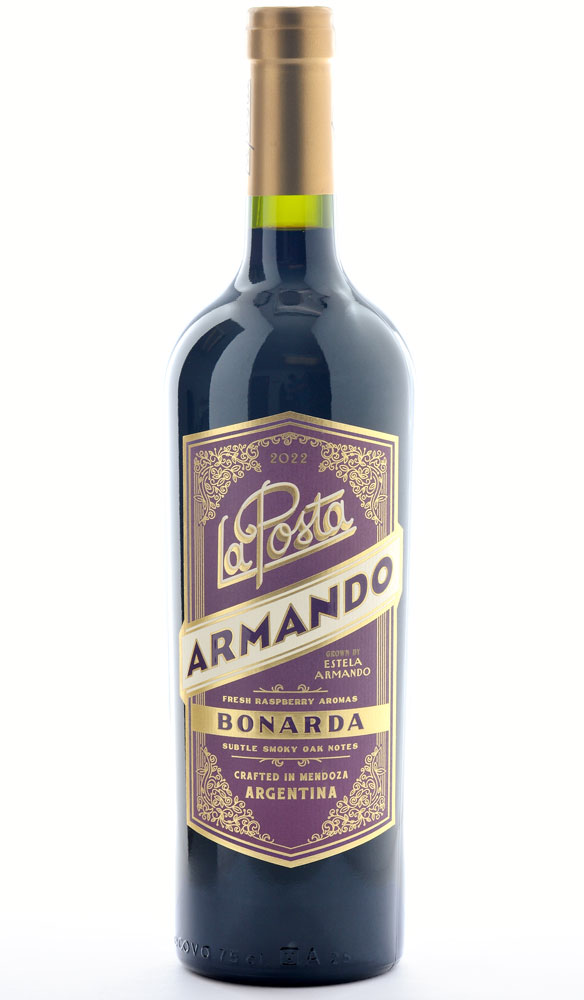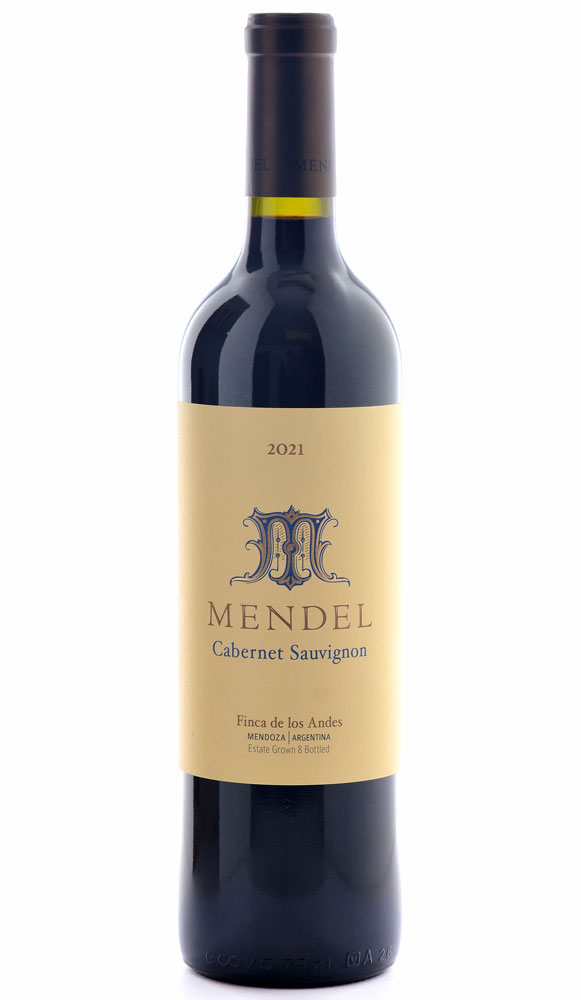
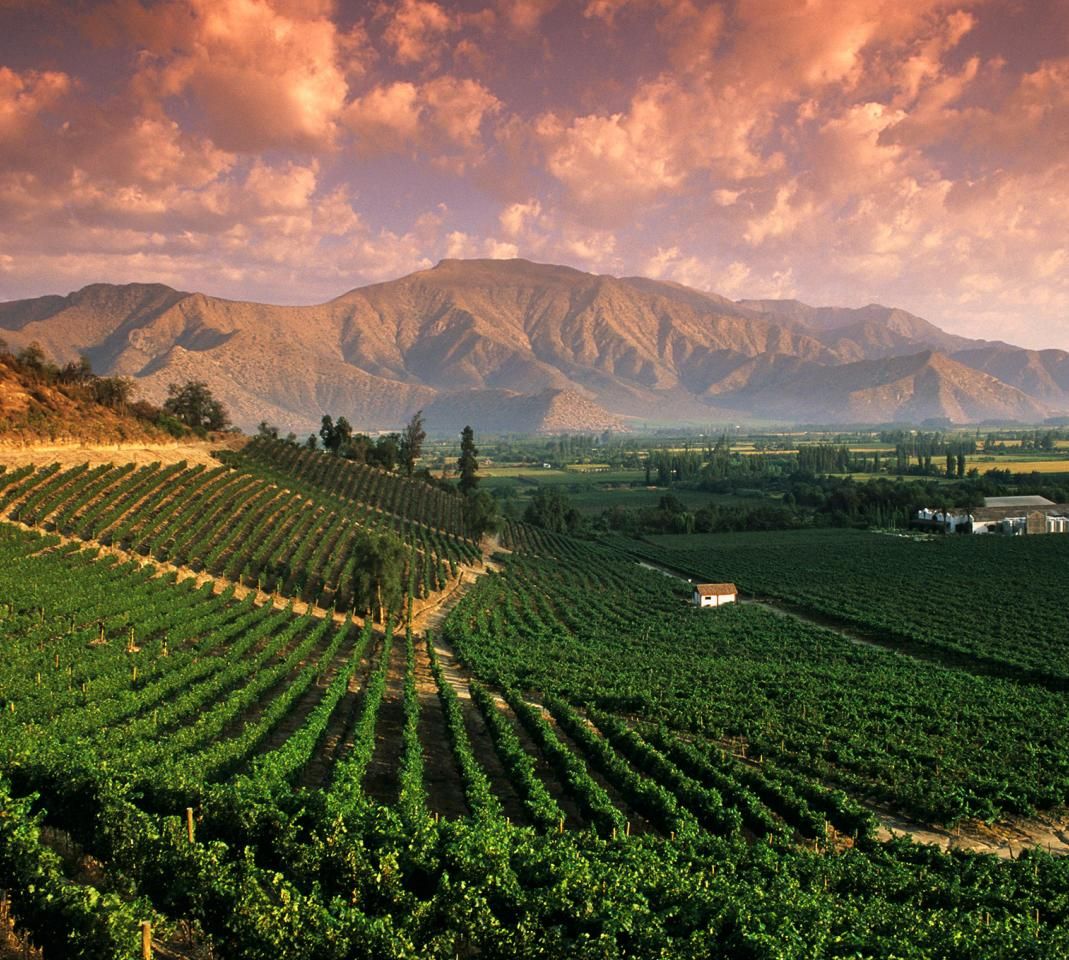
 Argentina has long been one of the world’s leading producers and consumers of wine. This sprawling nation, which contains some of the world’s most diverse geography: tropical jungle, barren desert, towering snow-capped mountains and windswept deserted islands that herald Antarctica, is the world’s fifth largest producer of wine and the planet’s third largest consumer of the fruit of the vine, placing it just behind Italy and France. As an interesting comparison, Argentina consumes more than five times the amount of wine per capita as does the United States. Moreover, Argentina is no longer just the planet’s premier source of Malbec; it is increasingly a treasure chest of other world-class red and white wines.
Although Argentina has cultivated the vine since the arrival of the first Spanish missionaries in the 16th century, the modern tale of wine in Argentina really begins with the Italian migration of the late 19th century. Sparked by political strife and economic stagnation in their homeland, many Italian growers and winemakers headed for Argentina. Settling in the dry, rain-starved Mendoza at the base of the Andes, Italian immigrants began to sluice the snow waters from the mountains onto their vineyards, causing the desert to bloom. In less than a century, Mendoza, a state approximately the size of Illinois, has become Argentina’s leading wine producing region, accounting for 70% of the nation’s wine production and more than half of all the wine made in South America.
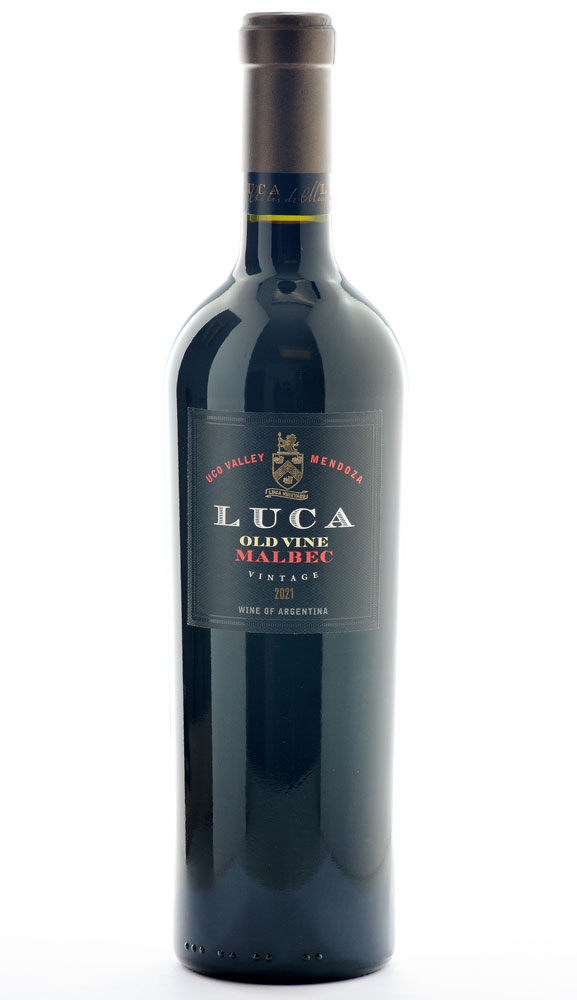
Driven by Argentina’s seemingly insatiable thirst for wine, as well as the burgeoning worldwide demand for fine wine, especially well-made reds, Argentina’s Mendoza alone comprises 700,000 acres of vines, and is still growing. The vast majority of wine from the arid, nearly insect-free environment of Mendoza is red, but the quality and variety of both red and white wines continues to grow exponentially throughout Argentina thanks to the Catena family, scions Laura at Luca and Ernesto at Tikal, Roberto de la Mota at Mendel, Hervé Chagneau and Anne-Caroline Biancheri at Antucura, Paul Hobbs, and Jacques and Francois Lurton, among others.
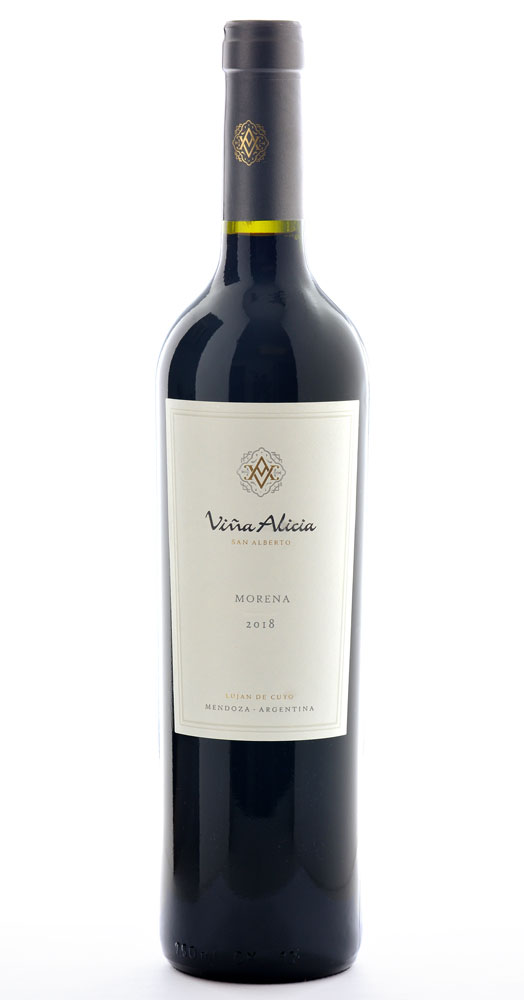
Savvy North American consumers take note: Malbec is no longer Argentina’s only game in town. The once sleeping giant now crafts a variety of high quality red and white wines. Although incredible Malbec remains Argentina’s calling card, exceptional Cabernet Franc and Cabernet Sauvignon abound; and, in recent years, Argentina has made great strides in the production of white wines, too, most notably with Chardonnay, Semillon and Torrontes. Viva Argentina!
Salud!
Don